
LNER, Agility, Hitachi: A Rail Revolution
The newly signed relationship charter between LNER, Agility Trains, and Hitachi Rail signifies a long-term commitment to collaboration and shared values in optimizing operational efficiency, enhancing customer experience, and fostering open communication within the rail industry.
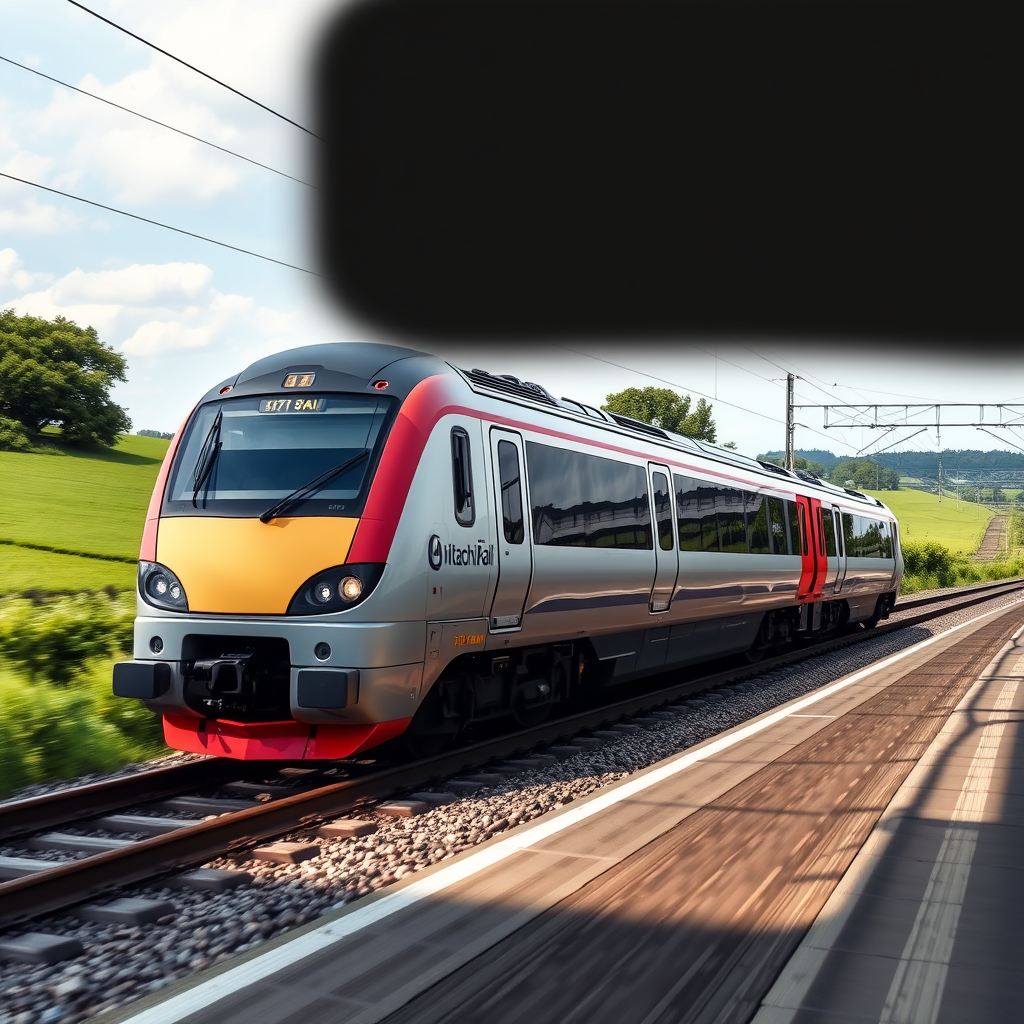
This article explores the strategic partnership between LNER (London North Eastern Railway), Agility Trains, and Hitachi Rail, solidified by a newly signed relationship charter. This charter, effective until at least 2046, signifies a long-term commitment to collaboration and shared values, aiming to optimize operational efficiency, enhance customer experience, and foster a culture of open communication and mutual trust within the rail industry. The agreement builds upon a pre-existing collaboration, initiated in 2014 with the Department for Transport (DfT)’s contract to Agility Trains for the delivery of the Azuma high-speed trains for the East Coast Main Line (ECML). This partnership, further strengthened by operational agreements, now extends beyond simply fulfilling contractual obligations, focusing on proactive collaboration for mutual benefit and improved overall performance. The implications of this long-term commitment for the future of rail operations and technological advancements will be analyzed throughout this discussion.
A Foundation Built on Collaboration
The genesis of this significant partnership lies in the 2014 DfT contract awarded to Agility Trains for the construction and delivery of 65 Azuma trains (high-speed trains) as part of the Intercity Express Programme’s second phase. This marked the beginning of a close working relationship between LNER, the operator, and Agility Trains, the rolling stock provider, a relationship which subsequently incorporated Hitachi Rail, a significant shareholder in Agility Trains and a key player in the manufacturing and maintenance of the Azuma fleet. The success of this initial collaboration, characterized by the Azuma trains’ award-winning performance, laid the groundwork for the more formal and detailed relationship charter.
The Scope of the Relationship Charter
The newly signed charter transcends a simple contractual agreement; it establishes a framework for long-term collaboration encompassing strategic, operational, and cultural aspects. Strategic and tactical opportunities involve coordinated planning and decision-making between the three organizations to align on goals and resource allocation. Operational opportunities focus on practical collaboration, including resource sharing, data exchange (essential for performance monitoring and predictive maintenance), and knowledge transfer regarding train maintenance and operation. Finally, interpersonal and cultural opportunities emphasize the importance of mutual respect, transparency, and open communication to ensure a collaborative and productive working environment. This holistic approach underlines a commitment to exceeding the minimum contractual requirements and fostering a synergistic partnership.
Strategic Advantages and Synergies
The long-term nature of the charter offers significant advantages. It fosters stability and predictability, allowing for long-term planning and investment in infrastructure and technology. The enhanced communication and data sharing facilitate proactive problem-solving and optimized maintenance scheduling, leading to reduced downtime and improved operational efficiency. Additionally, the shared commitment to continuous improvement encourages the exploration of innovative solutions and technological advancements, ultimately benefiting both the operators and passengers. The collaborative environment also promotes the development of highly skilled personnel experienced with specific Azuma train systems and maintenance practices.
Long-Term Vision and Future Implications
The relationship charter’s extension beyond 2046 signals a commitment to a future-oriented approach. This long-term perspective enables the parties to plan for and adapt to evolving technological advancements, such as autonomous train operation and the integration of innovative maintenance technologies. The establishment of a robust partnership creates a strong foundation for the successful implementation of such advancements. Additionally, the collaborative environment encourages innovation and creativity, leading to the development of improved train designs, optimized maintenance strategies, and ultimately, better service for passengers. The success of this model could serve as a benchmark for future collaborations within the rail industry, promoting a more holistic and integrated approach to rail system management.
Conclusion
The relationship charter signed between LNER, Agility Trains, and Hitachi Rail marks a significant step toward a more collaborative and integrated approach to rail operations. Building upon the successful deployment of the Azuma trains, this agreement establishes a framework for sustained collaboration across strategic, operational, and cultural dimensions. The long-term nature of the charter, extending beyond 2046, provides stability and predictability, fostering innovation and investment in technological advancements. The emphasis on shared values, open communication, and resource sharing creates a synergistic environment that optimizes operational efficiency, enhances customer experience, and promotes the development of highly skilled personnel. The success of this partnership serves as a compelling example of the benefits of long-term strategic alliances in the rail industry, potentially influencing future collaborative initiatives and contributing to the overall enhancement of rail services. The model highlights the importance of fostering open communication, knowledge sharing, and mutual trust to create a high-performing, resilient, and future-proof rail network. It showcases a clear shift towards a more integrated and cooperative industry approach, moving beyond the traditional transactional relationships to a collaborative model geared towards shared success and continuous improvement.

Railway infrastructure, rolling stock and transport technologies specialist focused on global rail industry developments, high-speed rail systems, signaling technologies and freight transportation. Covering railway investments, public transport modernization, rail operations and international mobility projects across Europe, Asia and North America.
RELATED POSTS

October 5, 2026 6:12 pm
AECOM and Jacobs secured a contract in September 2026 to...

October 4, 2026 11:08 pm
Sound Transit confirmed the September 30 opening of Seattle Pinehurst...
October 6, 2026 12:16 am
FTA awarded $233 million in grants to eight US rail...
October 6, 2026 9:17 am
Illinois approved $1.1M in state funds to upgrade two McHenry...
October 1, 2026 10:14 am
HS2 installed a 55-metre steel span in Birmingham, completing phase...

October 5, 2026 3:13 pm
DART launched a 90-day fare enforcement pilot across 5 light-rail...