
Lineas Launches Hybrid Locos to Cut CO2 by 1,762t in Germany
Lineas and Novelis launched two EURO9000 hybrid locomotives on German freight routes, cutting CO2e by 1,762 metric tons annually, the companies said.
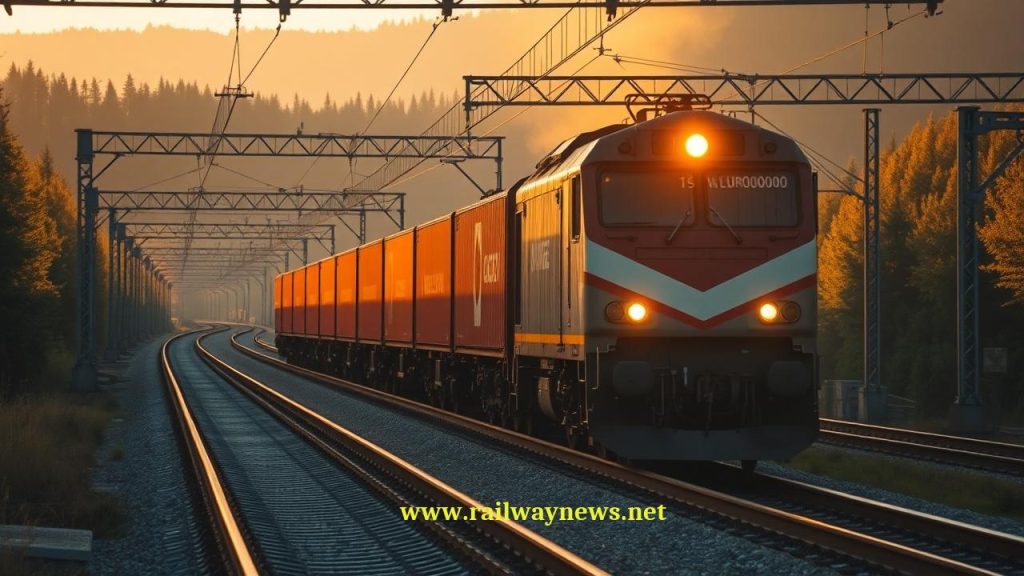
⚡ In Brief: Lineas and Novelis deployed EURO9000 hybrid locomotives on German freight routes, targeting a reduction of 1,762 metric tons of CO₂e annually.
GÖTTINGEN, GERMANY – Belgian rail freight operator Lineas and aluminium supplier Novelis have put two EURO9000 locomotives into service on strategic freight routes in Germany. The locomotives, which combine electric and diesel traction, are projected to cut greenhouse gas emissions by approximately 1,762 metric tons of CO₂e per year compared to previous operations. The deployment was formally marked during a joint meeting in Göttingen attended by Lineas and Novelis teams alongside Germany Country Manager Manfred Burk.
What Are the Technical Specifications?
Each EURO9000 locomotive uses electric traction for mainline running and carries two onboard diesel engines, each rated at 950 kW, for non-electrified tracks. Dynamic switching between electric and diesel mode can occur while the train is moving, removing the need for locomotive changes on partially electrified corridors. Electric-mode power output was not disclosed in the project announcement, though the EURO9000 platform is capable of up to 9 MW in electric operation (Source: Stadler, 2023).
Key Technical Data
| Parameter | Value |
|---|---|
| Technology / System Name | EURO9000 hybrid locomotive |
| Total Value | Not disclosed |
| Parties Involved | Lineas, Novelis |
| Timeline / Completion | Deployed; further rollout not disclosed |
| Country / Corridor | Germany, strategic freight routes |
Where Does This Technology Stand in the Market?
The EURO9000 sits in a growing class of hybrid last-mile mainline locomotives. Stadler’s EURO9000 platform delivers up to 9 MW in electric mode, exceeding the Siemens Vectron Dual Mode’s maximum electric output of 2.8 MW and diesel output of 2.4 MW (Source: Siemens, 2023; Stadler, 2023). The higher electric power allows Lineas to haul full freight loads on electrified sections without relying on diesel, directly supporting the 87% of UK businesses now viewing emissions reduction as a priority—up from 81% in 2024—and mirroring efficiency pressures across European logistics (Source: Retail Gazette, 2026). German rail freight is also being reshaped by DB Cargo’s plan to cut its domestic workforce by nearly half by 2030, signalling a shift toward leaner, digitally enabled competitors (Source: World Cargo News, 2026).
Editor’s Analysis
The Lineas–Novelis move is a targeted operational bet rather than a fleet-wide overhaul, suggesting that hybrid bi-mode traction is now commercially viable on corridors where full electrification remains years away. For shippers, the ability to switch modes in motion directly reduces both fuel cost and carbon compliance risk at a time when EU carbon pricing and customer sustainability mandates are tightening. With DB Cargo scaling back its German footprint, independent operators investing in flexible motive power stand to capture share on partially electrified industrial links that demand reliability and low emissions.
FAQ
Q: How much emissions reduction does the new locomotive deployment achieve?
A: Based on current traffic volumes, the two EURO9000 locomotives are expected to reduce emissions by approximately 1,762 metric tons of CO₂e per year compared with previous operations.
Q: What routes in Germany are the hybrid locomotives serving?
A: Lineas and Novelis have not publicly disclosed the specific route details, describing them only as strategic freight routes in Germany. The locomotives are used on partially electrified corridors where dynamic electric-to-diesel switching is most advantageous.
Q: What is the total tractive power of the EURO9000 in diesel mode?
A: In diesel mode, each locomotive provides 1,900 kW from its two 950 kW engines. Electric-mode power was not stated in the announcement, but the platform can reach up to 9 MW on catenary supply.

Railway infrastructure, rolling stock and transport technologies specialist focused on global rail industry developments, high-speed rail systems, signaling technologies and freight transportation. Covering railway investments, public transport modernization, rail operations and international mobility projects across Europe, Asia and North America.
RELATED POSTS

October 8, 2026 1:15 pm
Alstom secured a €1bn contract to build 13 automated trains,...

October 1, 2026 7:09 am
United States regulators confirmed a September 30 deadline for the...

October 4, 2026 5:14 pm
Alstom secured a CA$4.7 billion order from VIA Rail Canada...

October 1, 2026 12:13 am
Illinois approved $1.5 billion annually for the Northern Illinois Transit...

October 1, 2026 6:10 am
Amtrak approved a System Expansion Committee on July 30 to...
October 5, 2026 1:13 pm
New York MTA confirmed a late 2026 DEIS release for...