
Končar Signs €53.6M Contract for Six Croatian BEMUs
Končar secured a €53.6M contract with HŽPP for six BEMUs and Croatia’s first hybrid charging station at Kotoriba, fully funded by the EU, due by 2029.
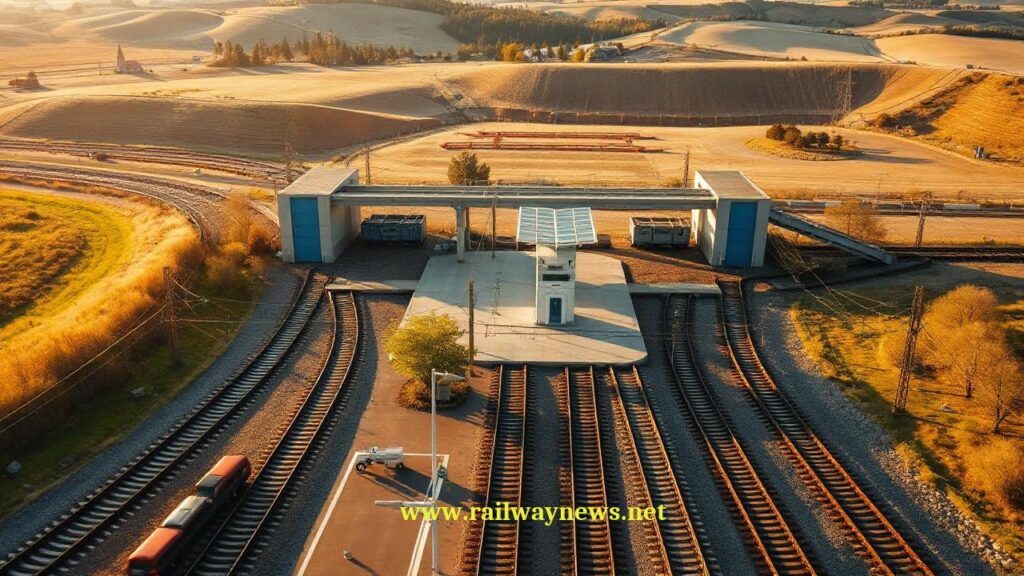
⚡ In Brief: Croatian operator HŽPP signed a EUR 53.6 million contract with Končar – Electric Vehicles on 16 July 2026 for six battery-electric multiple units and Croatia’s first hybrid charging station at Kotoriba, fully funded by the EU Modernisation Fund.
ZAGREB, CROATIA – HŽ Putnički prijevoz (HŽPP) signed a EUR 53.6 million contract with Končar – Electric Vehicles on 16 July 2026 for the delivery of six battery-electric multiple units (BEMUs) and construction of Croatia’s first hybrid charging station. The contract follows a tender launched in May 2026 and is fully backed by the European Union’s Modernisation Fund. The trains will enter service in 2028 and early 2029, primarily operating in northern Croatia.
What Does This Contract Cover?
The contract covers the manufacture and delivery of six Končar battery-electric multiple units alongside the design, construction, and commissioning of Croatia’s first hybrid charging station at Kotoriba railway station. Each BEMU will seat 150 passengers, operate at up to 120 km/h on battery power on non-electrified lines and up to 160 km/h drawing from overhead catenary on electrified routes. The charging station integrates three power sources: grid electricity, a dedicated photovoltaic power plant, and a stationary battery energy storage system — a configuration that reduces CO₂ emissions during charging operations. The fleet will feature free Wi-Fi, passenger device charging sockets, modern information systems, and full accessibility for passengers with reduced mobility. Multiple units can be coupled to increase capacity on busier services.
Key Contract Data
| Parameter | Value |
|---|---|
| Contract Name | Končar BEMU delivery and Kotoriba charging station |
| Total Value | EUR 53.6 million |
| Parties Involved | Končar – Electric Vehicles (supplier), HŽ Putnički prijevoz (buyer), EU Modernisation Fund (funder) |
| Timeline / Completion | Deliveries from 2028 through early 2029; specific monthly schedule not disclosed |
| Country / Corridor | Croatia — northern regional network, Kotoriba station (near Hungarian border) |
How Does This Compare to Similar Contracts?
Croatia’s EUR 53.6 million investment for six BEMUs plus charging infrastructure yields an approximate per-unit cost of EUR 8.9 million including the station build. By comparison, Stadler’s 2019 contract with Schleswig-Holstein for 55 FLIRT Akku BEMUs was valued at approximately EUR 600 million — roughly EUR 10.9 million per unit, though that order’s economies of scale and earlier battery technology costs differ from Croatia’s smaller fleet. Siemens Mobility secured orders for 20 Mireo Plus B BEMUs from Baden-Württemberg in 2020 at a reported EUR 120 million (EUR 6 million per unit, charging infrastructure separate). The Croatian contract’s hybrid charging station with integrated photovoltaic and battery storage is a distinguishing feature not present in those German procurement packages, which typically rely on overhead line charging or simpler depot-based infrastructure. (Source: Stadler, 2019; Siemens Mobility, 2020)
The Croatian government confirmed that 70 new low-floor trains are already in service across the national network, and this contract brings the total new train orders to 25 additional units. Beyond this contract, the forthcoming Social Climate Plan allocates funding for 30 more new trains and three additional charging stations, signaling a multi-phase fleet renewal strategy. (Source: Croatian Ministry of the Sea, Transport and Infrastructure, 2026)
Battery capacity, charging time, photovoltaic system output, and stationary storage specifications for the Kotoriba installation were not disclosed at contract signing.
Editor’s Analysis
This contract achieves three strategic objectives simultaneously: fleet decarbonisation, domestic industrial support via Končar’s Croatian manufacturing base, and infrastructure development in a border region. The Kotoriba location — near the Hungarian frontier — positions this charging asset for potential future cross-border BEMU services, though no such services have been officially announced. Croatia’s broader railway investment programme of EUR 684 million by 2027, coupled with the EUR 1.5 billion infrastructure reconstruction pipeline referenced by Transport Minister Butković, places this BEMU order within a coordinated national rail modernisation effort rather than an isolated procurement. The EU Modernisation Fund’s full financing of the project mirrors the bloc’s pattern of directing Emissions Trading System revenues toward transport decarbonisation in lower-income member states. (Source: Croatian Ministry of the Sea, Transport and Infrastructure, 2026; Croatia Week, 2025)
FAQ
Q: Which routes will these battery-electric trains serve in northern Croatia?
A: HŽPP has not yet published the specific route assignments. The trains are designated for northern Croatia, and the Kotoriba charging station location — near the Mura River and Hungarian border — suggests services on lines radiating from that node, possibly including cross-border regional connections, though no international service plan has been confirmed.
Q: How long does it take to charge the batteries on these BEMUs?
A: Charging time has not been officially disclosed by Končar or HŽPP. The trains recharge both from overhead catenary wires while running on electrified segments and at the dedicated Kotoriba charging station. The hybrid station’s photovoltaic and battery storage system is designed to offset grid demand, but specific charging rates remain unpublished.
Q: How does the EU Modernisation Fund finance this project?
A: The Modernisation Fund is capitalised by revenues from the EU Emissions Trading System (ETS). It supports investments in greenhouse gas reduction, energy efficiency, and modernisation of energy systems in ten lower-income EU member states including Croatia. This project received full financing approval, meaning no national co-financing from Croatia’s state budget was required.

Railway infrastructure, rolling stock and transport technologies specialist focused on global rail industry developments, high-speed rail systems, signaling technologies and freight transportation. Covering railway investments, public transport modernization, rail operations and international mobility projects across Europe, Asia and North America.
RELATED POSTS

October 8, 2026 1:15 pm
Alstom secured a €1bn contract to build 13 automated trains,...

October 1, 2026 7:09 am
United States regulators confirmed a September 30 deadline for the...

October 8, 2026 12:18 pm
Siemens Mobility signed an agreement with VinSpeed to supply 350...

October 4, 2026 5:14 pm
Alstom secured a CA$4.7 billion order from VIA Rail Canada...

October 5, 2026 6:12 pm
AECOM and Jacobs secured a contract in September 2026 to...

October 4, 2026 11:08 pm
Sound Transit confirmed the September 30 opening of Seattle Pinehurst...