
KL-SG HSR: Optimizing Future High-Speed Rail
Unlock high-speed rail success. Learn from the KL-SG HSR project’s optimized infrastructure strategies. Discover how!
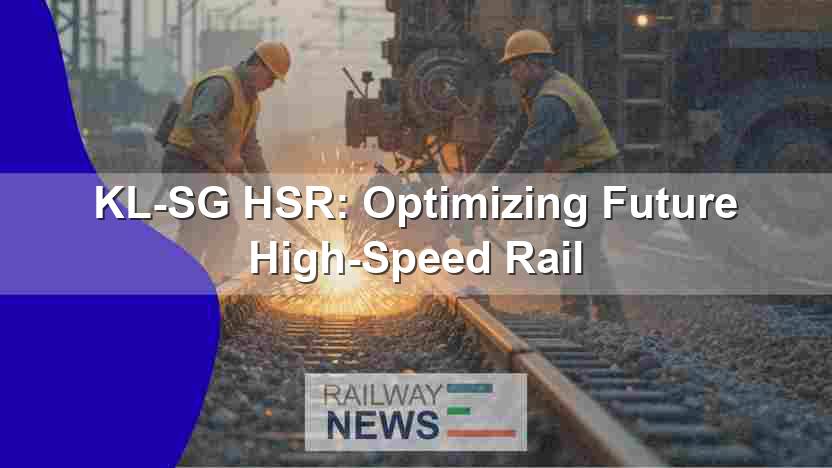
The burgeoning demand for high-speed rail (HSR) networks across the globe necessitates careful consideration of infrastructure optimization. This article explores the critical aspects of designing and implementing robust HSR systems, drawing insights from real-world examples, particularly the Kuala Lumpur-Singapore HSR project. The need for meticulous planning, strategic partnerships, and robust safety protocols will be examined. Success hinges on seamless integration of technology, efficient construction methodologies, and ongoing maintenance strategies. This analysis will offer valuable guidance to stakeholders, particularly those involved in future HSR projects, and underscore the significance of leveraging SIA consultant expertise in the realm of infrastructure engineering. This analysis will highlight the key success factors in realizing efficient and safe HSR operations, addressing potential pitfalls and maximizing the return on investment (ROI) for these ambitious projects.
Strategic Planning and Project Management
Successful HSR projects demand meticulous planning, encompassing detailed feasibility studies, environmental impact assessments, and robust project management methodologies. A key consideration is the alignment of project timelines with anticipated passenger demand. Proactive identification and mitigation of potential risks are paramount, including unforeseen geological challenges, community concerns, and logistical hurdles. This proactive approach, exemplified by the KL-SG HSR, helps to preemptively resolve potential issues. Efficient coordination amongst various stakeholders – governments, contractors, and engineering firms – is vital to ensure that schedules and budgets are adhered to. Detailed risk assessments, including contingency plans, are critical to minimize disruptions and ensure timely completion. The use of experienced project managers is essential to navigate the complex and multi-faceted nature of such initiatives.
Technological Integration and Safety Protocols
Modern HSR systems rely heavily on advanced technology, from sophisticated signalling and communication systems to high-precision track maintenance technologies. The seamless integration of these technologies is crucial for safety and efficiency. Reliability and redundancy in the signalling and communication systems are essential to minimize disruption. Additionally, advanced inspection and maintenance techniques are critical for identifying and resolving potential issues before they escalate to major operational problems. A significant aspect of safety involves strict adherence to international safety standards. This includes incorporating advanced safety systems like Automatic Train Protection (ATP) and reliable communication protocols. Rigorous testing and validation procedures are vital to ensure the safety and reliability of the entire system. The KL-SG HSR project’s focus on adhering to global safety protocols serves as a model for future developments.
Infrastructure Construction and Maintenance
The construction of HSR infrastructure necessitates a focus on cutting-edge construction techniques and sustainable practices. This involves optimizing construction methodologies to minimize environmental impact and achieve project timelines. The use of prefabricated components and advanced equipment can significantly enhance construction speed and quality. Post-construction, the development of robust maintenance programs is essential for the long-term operational viability of the HSR line. Predictive maintenance models and advanced sensor technologies play a crucial role in identifying potential issues early and facilitating timely repairs. This approach minimizes downtime and ensures the system’s longevity, which is critical for achieving a high return on investment. The KL-SG HSR project’s emphasis on sustainable infrastructure construction and maintenance offers valuable lessons in future HSR implementations.
Conclusion
The Kuala Lumpur-Singapore High-Speed Rail project, and similar initiatives globally, represent significant strides in modern transportation infrastructure. These projects underscore the crucial need for detailed planning, meticulous execution, and a commitment to safety throughout the project lifecycle. The seamless integration of advanced technologies, including advanced signalling systems and stringent safety protocols, is vital for establishing a secure and efficient transportation network. Strategic partnerships and collaboration amongst government entities, contractors, and engineering firms are essential. Robust maintenance strategies, leveraging technologies like predictive analytics, are equally vital for long-term performance and return on investment. This proactive approach highlights the importance of consulting firms, like SIA consultants, experienced in infrastructure engineering and project management for future HSR ventures. Ultimately, success relies on a balance between meticulous planning, technological innovation, and sustained commitment to safety, with careful consideration given to the evolving needs of a growing and increasingly mobile population. This approach, emulated through meticulous planning, advanced technology, and careful implementation by experts, is vital in guaranteeing the efficient, effective, and safe delivery of future HSR networks. The KL-SG HSR project provides a strong foundation for future initiatives.
You might be interested in:
Last March 2019, we looked into the Hong Kong MTR’s SelTrac system and whether its delays posed a safety risk. Click here to read – Hong Kong MTR’s SelTrac Delay: A Safety Crisis?

Railway infrastructure, rolling stock and transport technologies specialist focused on global rail industry developments, high-speed rail systems, signaling technologies and freight transportation. Covering railway investments, public transport modernization, rail operations and international mobility projects across Europe, Asia and North America.
RELATED POSTS

October 8, 2026 1:15 pm
Alstom secured a €1bn contract to build 13 automated trains,...

October 5, 2026 6:12 pm
AECOM and Jacobs secured a contract in September 2026 to...

October 1, 2026 12:13 am
Illinois approved $1.5 billion annually for the Northern Illinois Transit...

October 4, 2026 11:08 pm
Sound Transit confirmed the September 30 opening of Seattle Pinehurst...
October 5, 2026 1:13 pm
New York MTA confirmed a late 2026 DEIS release for...
October 8, 2026 1:17 am
Alstom secured a contract in August 2025 to supply automated...