
Kidsgrove Station: Unforeseen Mine Shafts Halt Rail Upgrade
The unforeseen challenges faced at Kidsgrove station during railway infrastructure upgrades highlight the importance of thorough pre-construction surveys to avoid geological risks that can significantly impact project timelines and budgets.
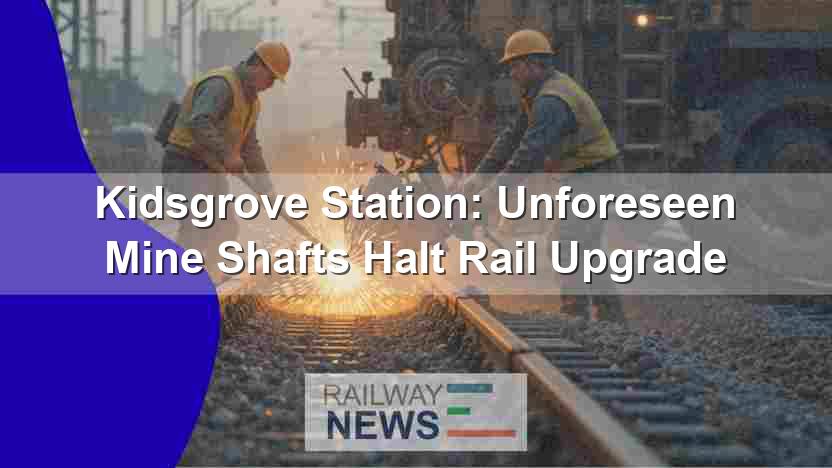
This article examines the complexities inherent in modernizing railway infrastructure, using the recent suspension of upgrade works at Kidsgrove station in Staffordshire, UK, as a case study. The project, part of Network Rail’s (NR) ambitious “Access for All” program, aimed to enhance accessibility for passengers with disabilities through the installation of new lifts and a footbridge connecting platforms 1-4. However, the discovery of unmapped mine shafts beneath the station unexpectedly halted progress, highlighting the critical need for thorough pre-construction surveys and the potential for unforeseen geological challenges to significantly impact railway projects. This situation underscores the importance of robust risk assessment, geotechnical investigation, and proactive mitigation strategies in ensuring the timely and cost-effective completion of railway infrastructure upgrades. The article will delve into the specific challenges encountered at Kidsgrove, explore the implications for project management and planning, and discuss best practices for mitigating similar risks in future railway development endeavors.
Unexpected Ground Conditions and Project Delays
The seemingly straightforward accessibility upgrade at Kidsgrove station was significantly hampered by the discovery of uncharted mine shafts during initial excavation works. This unexpected finding, a common yet significant challenge in areas with a history of mining activity, forced a complete halt to construction. The presence of these shafts poses considerable risks to worker safety and structural integrity of the new infrastructure. The unmapped nature of these shafts underscores the inadequacy of existing subsurface data, highlighting the need for more detailed and advanced geotechnical investigations prior to commencing major construction projects on railway land.
The Importance of Detailed Geotechnical Surveys
The Kidsgrove incident serves as a stark reminder of the critical role geotechnical surveys play in minimizing risks associated with railway infrastructure development. These surveys employ various techniques, including ground-penetrating radar (GPR), to map subsurface conditions and identify potential hazards such as abandoned mineshafts, unstable ground, and buried utilities. A detailed survey should be integrated into the initial project planning phase, allowing for informed decision-making, budget allocation, and the development of appropriate mitigation strategies. The cost of thorough investigation is far outweighed by the potential costs associated with unexpected delays, redesigns, and safety incidents stemming from inadequate pre-construction assessment.
Risk Mitigation and Project Management Strategies
Effective project management in railway infrastructure development requires proactive risk management. This involves not only identifying potential risks (such as unexpected ground conditions), but also developing contingency plans and mitigation strategies. For projects like the Kidsgrove upgrade, these strategies might include alternative construction methodologies, specialized excavation techniques, or ground stabilization measures. Open communication between NR, the East Midlands Railway (EMR), contractors, and stakeholders is crucial for effective decision-making and minimizes project disruption. The six-week survey period undertaken at Kidsgrove represents a necessary but costly delay emphasizing the importance of thorough planning and risk assessment upfront.
Lessons Learned and Future Implications
The challenges experienced at Kidsgrove station offer valuable lessons for future railway infrastructure projects. The incident underscores the need for a paradigm shift towards more rigorous pre-construction surveys, utilizing advanced technologies to create accurate and detailed subsurface models. This will require improved collaboration between NR, local authorities, and historical archives to access and integrate relevant geological data. Additionally, robust risk assessment methodologies and proactive mitigation strategies are indispensable for managing the inherent uncertainties associated with ground conditions. The “Access for All” program, while commendable in its ambition, highlights the need for a nuanced approach that accounts for the unique geological and historical contexts of each site. Delays, though frustrating for passengers, allow the opportunity to learn and improve future projects, preventing more significant issues down the line. By integrating advanced geotechnical techniques and proactive risk management into project planning, the railway industry can strive for more efficient and reliable infrastructure upgrades while prioritizing worker safety and minimizing disruption to rail services. The commitment of NR to addressing the issues at Kidsgrove, including close collaboration with EMR to maintain service, signals a positive step towards improving project management and safety protocols within the UK rail network.

Railway infrastructure, rolling stock and transport technologies specialist focused on global rail industry developments, high-speed rail systems, signaling technologies and freight transportation. Covering railway investments, public transport modernization, rail operations and international mobility projects across Europe, Asia and North America.
RELATED POSTS

October 8, 2026 1:15 pm
Alstom secured a €1bn contract to build 13 automated trains,...

October 1, 2026 7:09 am
United States regulators confirmed a September 30 deadline for the...

October 8, 2026 12:18 pm
Siemens Mobility signed an agreement with VinSpeed to supply 350...

October 4, 2026 5:14 pm
Alstom secured a CA$4.7 billion order from VIA Rail Canada...

October 5, 2026 6:12 pm
AECOM and Jacobs secured a contract in September 2026 to...

October 4, 2026 11:08 pm
Sound Transit confirmed the September 30 opening of Seattle Pinehurst...