
Jaxport Boosts Capacity: New Cranes Ready for Mega-Ships
Jaxport unveils new ship-to-shore cranes, boosting capacity for larger vessels. This upgrade enhances efficiency, attracting more cargo and strengthening intermodal rail connections.
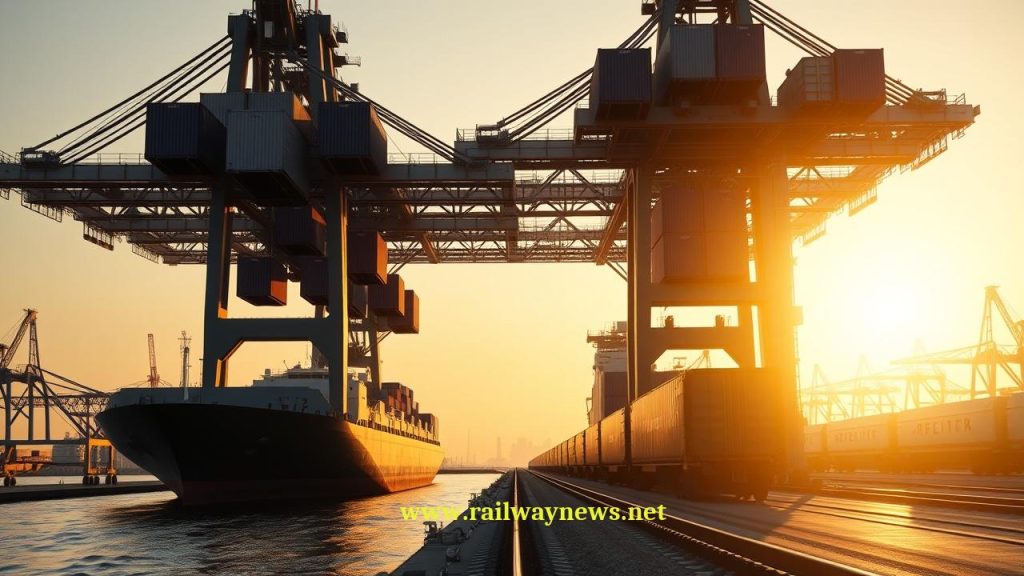
JACKSONVILLE, FL – The Jacksonville Port Authority (Jaxport) has significantly boosted its container handling capabilities by commissioning two new 50-gauge ship-to-shore (STS) cranes at its Blount Island Marine Terminal. This strategic upgrade equips the port to service the wider, post-Panamax vessels that are increasingly dominating global trade routes, solidifying its competitive position on the U.S. East Coast.
| Category | Details |
|---|---|
| Project Location | Blount Island & Talleyrand Marine Terminals, Jaxport, Florida |
| Equipment | Three new 50-gauge Ship-to-Shore (STS) Container Cranes |
| Blount Island Crane Specs | 115-foot lift height; 19-container reach; 65-long-ton capacity |
| Operational Status | Two Blount Island cranes now in service; one Talleyrand crane operational mid-2026 |
| Key Feature | Regenerative power systems to capture and reuse energy |
The Jacksonville Port Authority announced that two of the largest 50-gauge cranes available have officially entered service at the Blount Island Marine Terminal, having recently moved their first containers. The deployment is a critical milestone in the port’s ongoing modernization efforts, aimed at increasing efficiency and capacity. A third new crane, which arrived last month, is currently being commissioned at the port’s Talleyrand Marine Terminal and is slated to become operational in mid-2026, further expanding Jaxport’s terminal capabilities.
Engineered for modern shipping demands, the two new cranes at Blount Island boast impressive technical specifications. With a lift height of 115 feet, they can reach across 19 containers on a ship’s deck, a crucial capability for servicing the ultra-large container vessels (ULCVs) now common on international shipping lanes. Each crane can move an average of 33 containers per hour and features a standard lift capacity of 65 long tons, which can be increased to 75 long tons for oversized, non-containerized cargo. In a nod to sustainability, the cranes are equipped with regenerative power systems that consume energy during lifts and capture electricity as containers are lowered, reducing overall energy consumption.
This investment places Jaxport in direct competition with other major U.S. East Coast ports that are also aggressively upgrading their infrastructure. For instance, the Port of Virginia is nearing completion of a major dredging project and has recently inaugurated a fourth ULCV berth, supported by four new Suez-class cranes. These regional developments underscore a coast-wide trend to accommodate larger vessels and capture a greater share of global cargo traffic. By investing in larger, more efficient, and greener crane technology, Jaxport is ensuring it remains a key gateway for containerized freight and a vital link in the North American intermodal supply chain.
Key Takeaways
- Enhanced Vessel Capacity: The new cranes’ 19-container reach allows Jaxport to efficiently service wider post-Panamax and ULCV ships, attracting larger cargo volumes.
- Increased Throughput: With a handling speed of 33 containers per hour, the cranes will significantly reduce vessel turnaround times, improving overall terminal efficiency and fluidity.
- Sustainable Operations: The integration of regenerative power systems aligns with the global “green port” initiative, lowering the terminal’s carbon footprint and operational costs.
Editor’s Analysis
The commissioning of these cranes at Jaxport is more than a simple equipment upgrade; it’s a strategic move in the high-stakes chess game of East Coast port dominance. For the rail industry, this is a critical signal. Enhanced port-side efficiency and the ability to handle larger vessel discharges mean a more concentrated and predictable flow of containers into the intermodal network. This puts pressure on, and creates opportunities for, rail operators like CSX and Norfolk Southern to optimize their services from Jacksonville. As ports like Virginia and Savannah also invest heavily, the efficiency of the port-to-rail transfer will become the key differentiator, making Jaxport’s landside logistics and rail connectivity more important than ever.
Frequently Asked Questions
What are the key specifications of the new cranes at Blount Island?
The two new cranes feature a 115-foot lift height, a reach of 19 containers across a ship’s deck, and a lift capacity of 65 long tons (up to 75 for heavy lifts). They also include a regenerative power system to improve energy efficiency.
How do these new cranes impact Jaxport’s capabilities?
They allow the port to service larger, wider container ships that it previously could not handle as efficiently. This increases the port’s overall cargo capacity, improves vessel turnaround times, and makes Jaxport a more attractive destination for global shipping lines.
Is Jaxport the only port making these kinds of upgrades?
No, this is part of a broader competitive trend along the U.S. East Coast. Other major ports, such as the Port of Virginia, are also investing heavily in dredging and new, larger cranes to accommodate the growing size of container vessels.

Railway infrastructure, rolling stock and transport technologies specialist focused on global rail industry developments, high-speed rail systems, signaling technologies and freight transportation. Covering railway investments, public transport modernization, rail operations and international mobility projects across Europe, Asia and North America.
RELATED POSTS

October 8, 2026 1:15 pm
Alstom secured a €1bn contract to build 13 automated trains,...

October 1, 2026 7:09 am
United States regulators confirmed a September 30 deadline for the...

October 8, 2026 12:18 pm
Siemens Mobility signed an agreement with VinSpeed to supply 350...

October 4, 2026 5:14 pm
Alstom secured a CA$4.7 billion order from VIA Rail Canada...

October 5, 2026 6:12 pm
AECOM and Jacobs secured a contract in September 2026 to...

October 1, 2026 12:13 am
Illinois approved $1.5 billion annually for the Northern Illinois Transit...