
Japan’s Facial Recognition Railway: A Ticketing Revolution
Yamaman Co.’s new facial recognition ticketing system, implemented in collaboration with Panasonic and Jorudan on their Yukarigaoka Line in Sakura, Japan, represents a significant advancement by utilizing biometric authentication to replace traditional paper tickets and magnetic cards, offering a fully cashless, seamless boarding experience for passengers.
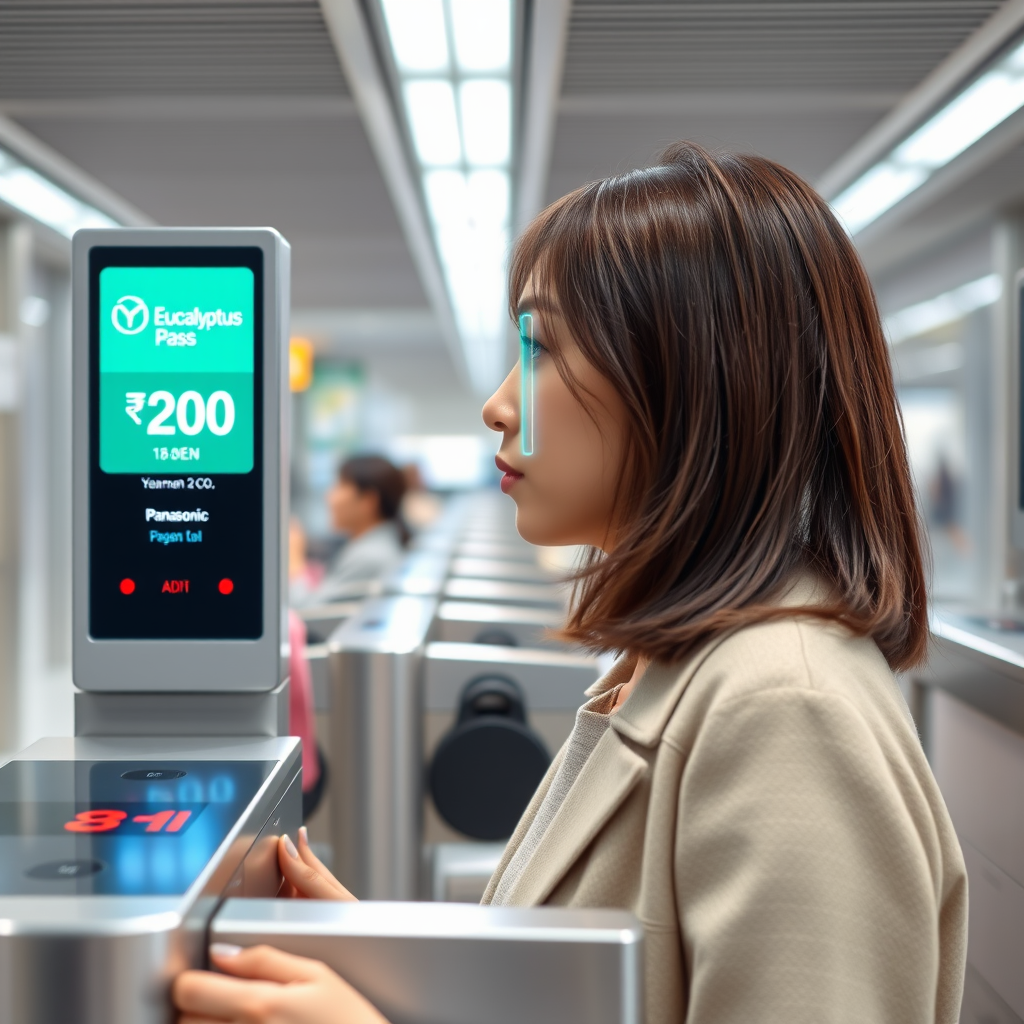
This article explores the innovative implementation of facial recognition technology for ticketing on Yamaman Co.’s Yukarigaoka Line in Sakura, Japan. This represents a significant advancement in railway ticketing systems, moving beyond traditional paper tickets and magnetic cards towards a fully cashless, biometrically-authenticated system. The adoption of this technology by Yamaman, in collaboration with Panasonic and Jorudan, marks a potential paradigm shift in the railway industry, offering enhanced convenience for passengers while addressing efficiency and security concerns. We will delve into the technical aspects of the system, its potential benefits and drawbacks, and consider its implications for the future of railway ticketing globally. We will also examine the broader context of technological advancements in the railway sector, including the increasing integration of Intelligent Transportation Systems (ITS).
Yamaman’s Facial Recognition Ticketing System: A Technological Leap
Yamaman Co.’s new ticketing system, powered by Panasonic and Jorudan, utilizes facial recognition technology to streamline the passenger boarding process. Passengers register their facial image and link it to a credit card via the “Eucalyptus Pass” account. Upon approaching the station’s ticket barriers, their faces are scanned, verifying their identity and automatically charging the linked credit card the appropriate fare (¥200 for a single journey or ¥500 for a day pass). This “tap in, tap out” functionality eliminates the need for physical tickets or cards, offering a seamless and convenient user experience. The system’s development involved extensive trials, demonstrating its feasibility and reliability before full-scale deployment. The system is significantly different from previous proposals, as it intends to utilize facial recognition not only for security, but for payment itself, presenting a more fully integrated system.
Integrating Facial Recognition with Existing Infrastructure
The integration of this advanced technology required a detailed upgrade to the existing Yukarigaoka Line infrastructure. The installation of new facial recognition cameras at ticket barriers is the most visible element of this upgrade. However, the successful implementation also relied heavily on the backend systems: the secure database for storing passenger information, the reliable payment processing system integrated with credit card networks, and the robust software for facial recognition and fare calculation. The system also shows careful consideration for passengers who haven’t yet registered for the Eucalyptus Pass, providing QR code tickets from updated ticketing machines.
Addressing Privacy Concerns and Public Acceptance
The use of biometric data, particularly facial recognition, inevitably raises privacy concerns. While Yamaman emphasizes the security measures in place to protect passenger data, public acceptance remains crucial for the widespread adoption of such technology. The success of this initiative hinges on building trust and transparency with the riding public, ensuring data security and addressing potential anxieties surrounding the use of personal biometric information. Public education campaigns and clear communication regarding data handling practices will be vital in mitigating such concerns. The success in Japan may be partially attributed to the country’s generally higher acceptance of technological innovation and data sharing.
The Broader Context: ITS and the Future of Railway Ticketing
Yamaman’s initiative is not an isolated event. It reflects a broader trend towards the integration of Intelligent Transportation Systems (ITS) in the railway industry. ITS encompasses a wide range of technologies designed to improve efficiency, safety, and passenger experience. Facial recognition is one component of this broader movement, alongside other innovations like contactless payment systems (such as Suica in Japan), centralized train control systems, and predictive maintenance technologies. The increasing connectivity and data-driven decision-making enabled by ITS are transforming the railway industry, paving the way for more sophisticated and passenger-centric services.
Conclusions: Innovation and Challenges in Railway Ticketing
Yamaman’s implementation of facial recognition ticketing on the Yukarigaoka Line represents a significant milestone in the evolution of railway systems. The seamless integration of biometric authentication with contactless payment offers a clear improvement in passenger convenience and operational efficiency. The successful collaboration between Yamaman, Panasonic, and Jorudan demonstrates the potential of industry partnerships in driving innovation. However, the widespread adoption of this technology hinges on addressing crucial privacy concerns and ensuring public trust. The success of the system will depend on maintaining the security of passenger data and demonstrating a commitment to transparency. Additionally, the broader implications for the railway industry, particularly the integration of ITS and the increasing reliance on biometric data, need careful consideration. Future developments will likely see the combination of this technology with other ITS features, leading to an even more streamlined and secure passenger experience. The long-term success of facial recognition-based ticketing systems ultimately depends on a careful balance between technological advancement, passenger convenience, and responsible data management. The implications for international markets remain to be seen, with varying levels of public acceptance likely influencing adoption rates in different countries.

Railway infrastructure, rolling stock and transport technologies specialist focused on global rail industry developments, high-speed rail systems, signaling technologies and freight transportation. Covering railway investments, public transport modernization, rail operations and international mobility projects across Europe, Asia and North America.
RELATED POSTS

October 8, 2026 1:15 pm
Alstom secured a €1bn contract to build 13 automated trains,...

October 1, 2026 7:09 am
United States regulators confirmed a September 30 deadline for the...

October 4, 2026 5:14 pm
Alstom secured a CA$4.7 billion order from VIA Rail Canada...

October 8, 2026 12:18 pm
Siemens Mobility signed an agreement with VinSpeed to supply 350...

October 5, 2026 6:12 pm
AECOM and Jacobs secured a contract in September 2026 to...

October 4, 2026 11:08 pm
Sound Transit confirmed the September 30 opening of Seattle Pinehurst...