
ITS Long Beach Expansion: Boosting Port Efficiency, U.S. Supply Chain
ITS expands Long Beach port terminal, boosting cargo capacity by 50%. Project aims to improve efficiency and resilience of US supply chain.
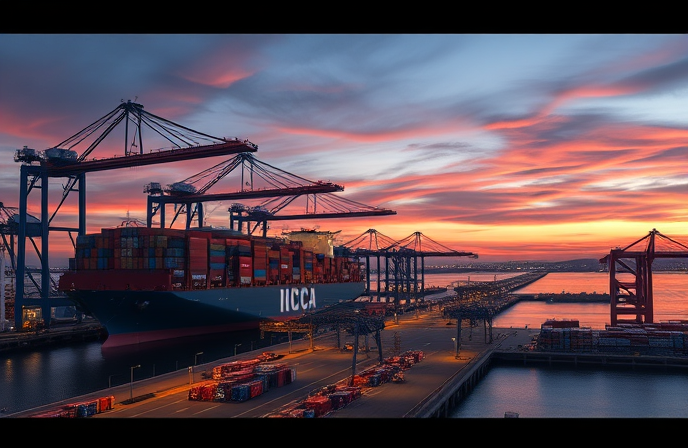
ITS Launches $365 Million Terminal Expansion at Port of Long Beach
In a move poised to significantly enhance container cargo throughput, International Transportation Service (ITS) has initiated its South Slip Fill Project, a substantial $365 million terminal expansion at the Port of Long Beach, California. The project, announced on July 11th, aims to increase ITS’s cargo-handling capacity by up to 50% upon completion in December 2028. This ambitious undertaking, spearheaded by the Dutra and Griffith Co. joint venture, is designed to bolster the efficiency and capacity of a critical maritime gateway. The project’s core focus is on increasing ITS’s capacity to handle the growing volume of goods moving through the port, securing the supply chain and improving operational efficiency.
Expanding Wharf Capacity: The Core of the Project
The cornerstone of the South Slip Fill Project is the extension of the existing wharf by 560 feet. This expansion, which commences with the filling of a 19-acre, horseshoe-shaped gap at the terminal, will enable ITS to simultaneously berth two 18,000 twenty-foot equivalent unit (TEU) container vessels. The TEU, a standard unit of measurement for containerized cargo, is fundamental to the modern shipping industry. This strategic improvement addresses congestion and enhances operational efficiency. The increased berth space will allow for quicker vessel turnaround times, reducing delays and improving overall port productivity. The construction itself requires advanced marine engineering techniques to ensure the structural integrity of the extended wharf, crucial for accommodating the massive weight of modern container ships.
Engineering and Construction: The Dutra and Griffith Co. Joint Venture
The Dutra and Griffith Co. joint venture has been awarded the contract to execute the South Slip Fill Project. The project necessitates specialized expertise in marine construction, civil engineering, and environmental compliance. The scope of work includes extensive dredging operations to prepare the site, followed by the construction of the wharf extension and the development of additional container storage areas. The selection of the Dutra and Griffith Co. joint venture underscores the significance of local expertise and a commitment to utilizing American-made materials in the project. The project also is set to commence this month, highlighting the project’s urgency and importance for the growth of the industry.
Economic Impact and Supply Chain Resilience
This expansion project carries significant implications for the broader economy and the robustness of the national supply chain. The increased cargo-handling capacity at ITS directly contributes to reduced congestion at the Port of Long Beach, a major gateway for international trade. By streamlining the flow of goods, the project aims to lower transportation costs, improve delivery times, and minimize disruptions that can impact businesses and consumers. Investing in port infrastructure is crucial to withstanding future shocks within the shipping industry.
A Commitment to Local Labor and US-Made Materials
Kim Holtermand, CEO of ITS Long Beach, emphasized the project’s commitment to supporting local labor and utilizing U.S.-made materials. This strategy not only strengthens the domestic economy but also enhances the sustainability of the project. Using local labor ensures that jobs and economic benefits are retained within the community, and supporting U.S. manufacturers boosts the national supply chain. The focus on sustainability and responsible sourcing is a significant step toward a more resilient and equitable supply chain.
Conclusion
The ITS South Slip Fill Project represents a substantial investment in the future of the Port of Long Beach and the broader U.S. supply chain. This project will have far-reaching implications for improving cargo handling efficiency, reducing costs, and strengthening the ability to respond to shifts in the shipping industry. The commitment to local labor and domestic materials is a reflection of the industry’s focus on local growth. The expected increase in cargo handling capacity will bolster the port’s position as a crucial international trade hub, attracting new business and fostering economic development in the region. As the project moves forward, industry stakeholders will closely monitor its progress, assessing its impact on efficiency, trade volumes, and the overall competitiveness of the Port of Long Beach. Future infrastructure upgrades and innovative approaches to cargo handling will continue to reshape the industry, driving a more sustainable and efficient future.

Railway infrastructure, rolling stock and transport technologies specialist focused on global rail industry developments, high-speed rail systems, signaling technologies and freight transportation. Covering railway investments, public transport modernization, rail operations and international mobility projects across Europe, Asia and North America.
RELATED POSTS

October 1, 2026 7:09 am
United States regulators confirmed a September 30 deadline for the...

October 8, 2026 1:15 pm
Alstom secured a €1bn contract to build 13 automated trains,...

October 4, 2026 5:14 pm
Alstom secured a CA$4.7 billion order from VIA Rail Canada...

October 1, 2026 12:13 am
Illinois approved $1.5 billion annually for the Northern Illinois Transit...

October 6, 2026 2:14 am
Union Pacific launched export rail shipments with Ferromex to deliver...

October 1, 2026 6:10 am
Amtrak approved a System Expansion Committee on July 30 to...