
Isle of Wight’s Island Line: Modernization Success
The Isle of Wight’s Island Line underwent significant modernization through the replacement of its aging Class 483 rolling stock with a refurbished fleet of Class 484 trains, showcasing a comprehensive approach to revitalizing regional railway systems.
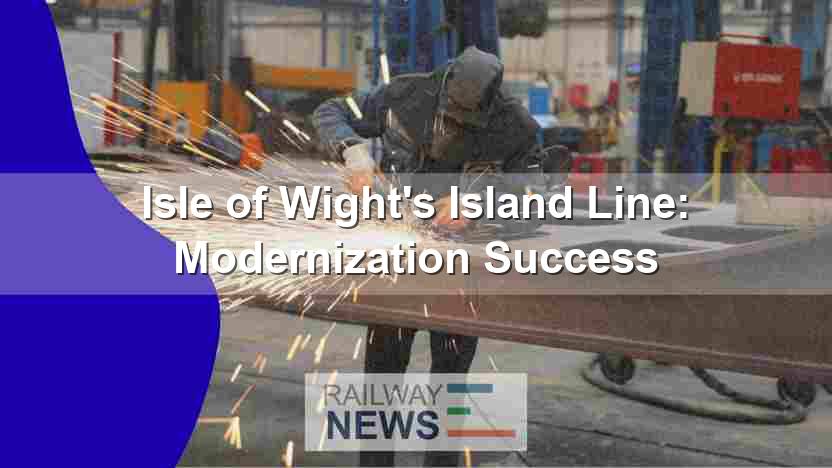
The Isle of Wight’s Island Line Modernization: A Case Study in Railway Revitalization
This article explores the significant upgrade undertaken on the Isle of Wight’s Island Line railway, focusing on the replacement of its aging Class 483 rolling stock with a refurbished fleet of Class 484 trains. This project represents a substantial investment in improving passenger experience, accessibility, and overall service reliability. The complete overhaul involved not only the introduction of new trains but also encompassed substantial infrastructure improvements, highlighting a detailed approach to modernizing a regional railway line. We will delve into the details of the new Class 484 trains, the rationale behind the replacement, the scope of the infrastructure upgrades, and the overall impact on the Island Line’s operational efficiency and passenger satisfaction. This case study provides valuable insights into the challenges and rewards of modernizing older railway systems, offering lessons applicable to other similar projects worldwide.
The Arrival of the Final Class 484 Train
The arrival of the fifth and final Class 484 train on the Isle of Wight marked a pivotal moment in the Island Line’s modernization. These trains, repurposed from former London Underground stock and extensively refurbished by Vivarail, represent a significant improvement over their predecessors. The Class 484s offer a range of passenger-centric features including at-seat power charging, improved interiors, enhanced accessibility with dedicated wheelchair spaces, and free WiFi connectivity. This represents a substantial leap forward in passenger comfort and convenience compared to the aging Class 483 fleet, which had served the Island Line for over three decades.
Replacing the Aging Class 483 Fleet
The decision to replace the Class 483 trains, which had been operational since 1989, was driven by a combination of factors. The most significant was the age and consequent maintenance challenges associated with the rolling stock. Maintaining a fleet of such vintage rolling stock becomes increasingly costly and difficult, and the risk of service disruptions due to equipment failures increases significantly. Beyond the maintenance costs, the lack of modern passenger amenities in the Class 483s presented a barrier to providing a competitive and attractive service. The replacement with the modern Class 484 trains addresses these concerns, improving operational reliability and passenger satisfaction. The retiring Class 483s found a new home with the London Traction Transport Group, highlighting the potential for repurposing older rail vehicles rather than scrapping them.
Infrastructure Improvements and Accessibility
The £26 million Island Line upgrade was not limited to the introduction of new trains. A critical component of this project was the enhancement of the railway’s infrastructure. This included the crucial addition of level access between the trains and station platforms. Level boarding improves accessibility for passengers with disabilities and mobility issues, significantly improving the overall inclusivity of the railway service. These enhancements are aligned with a broader trend towards creating more accessible and user-friendly public transportation systems. The modernization program ensures that the Isle of Wight railway system can efficiently and comfortably serve all residents and visitors.
Conclusions: A Successful Modernization Project
The Isle of Wight’s Island Line upgrade represents a significant success story in railway modernization. The replacement of the aging Class 483 fleet with the modern Class 484 trains, coupled with extensive infrastructure improvements, has dramatically enhanced the passenger experience and operational efficiency. The introduction of features like at-seat charging, improved interiors, wheelchair spaces, and free WiFi has transformed the passenger journey, making the Island Line more competitive and attractive. The strategic investment of £26 million has not only addressed the shortcomings of the aging infrastructure but has also significantly improved accessibility, creating a more inclusive and welcoming transportation system for all users. The project serves as a compelling example of how targeted investment in rolling stock and infrastructure can rejuvenate a regional railway, boosting both ridership and overall economic benefits for the community. The successful completion of this project demonstrates the crucial role of thoughtful planning and substantial investment in maintaining a modern and efficient railway network. The long-term benefits of this modernization effort will be felt by both residents and visitors to the Isle of Wight for many years to come, underscoring the value of prioritizing railway infrastructure upgrades.

Railway infrastructure, rolling stock and transport technologies specialist focused on global rail industry developments, high-speed rail systems, signaling technologies and freight transportation. Covering railway investments, public transport modernization, rail operations and international mobility projects across Europe, Asia and North America.
RELATED POSTS

October 8, 2026 1:15 pm
Alstom secured a €1bn contract to build 13 automated trains,...

October 1, 2026 7:09 am
United States regulators confirmed a September 30 deadline for the...

October 8, 2026 12:18 pm
Siemens Mobility signed an agreement with VinSpeed to supply 350...

October 4, 2026 5:14 pm
Alstom secured a CA$4.7 billion order from VIA Rail Canada...

October 5, 2026 6:12 pm
AECOM and Jacobs secured a contract in September 2026 to...

October 4, 2026 11:08 pm
Sound Transit confirmed the September 30 opening of Seattle Pinehurst...