
Ireland’s Rail Revolution: 2050 Vision
All-Island Strategic Rail Review unveils 32 recommendations to transform Ireland’s rail by 2050: 200 km/h upgrades, new lines, decarbonization & regional reinstatements. CONNECT project aims to double intercity passengers.
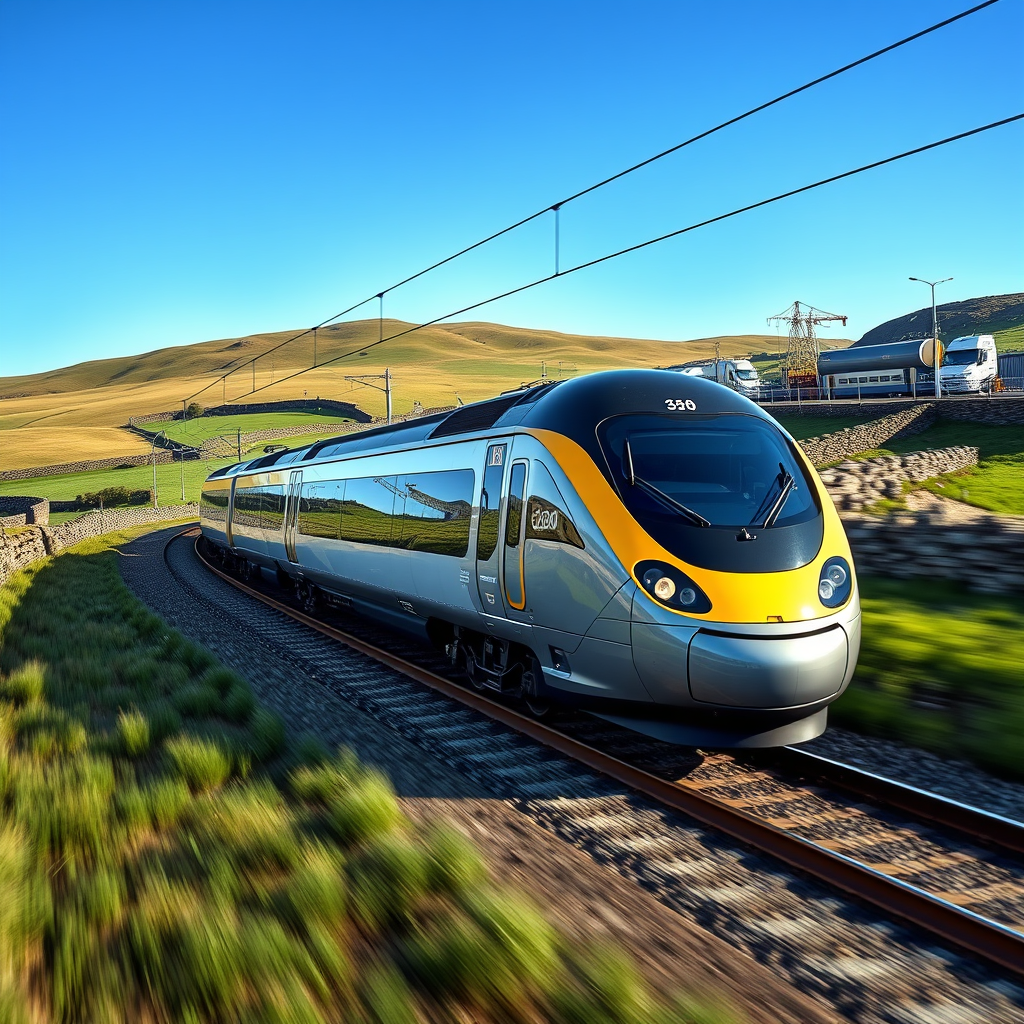
This article examines the recently published All-Island Strategic Rail Review, a joint initiative by the governments of the Republic of Ireland and Northern Ireland. The report, a culmination of extensive research and public consultation, proposes a detailed overhaul of the island’s rail infrastructure by 2050. Its core objective is to transform the current network into a faster, more extensive, and environmentally sustainable system capable of meeting the growing demands of passengers and freight transport. The review explores various aspects of railway modernization, including increased capacity, higher speeds, improved connectivity, decarbonization strategies, and enhanced customer experience. The recommendations within the report are far-reaching, impacting not only intercity travel but also regional and rural accessibility, while simultaneously addressing the crucial need for environmental responsibility within the rail sector. We will explore the key findings and recommendations of this pivotal report, analyzing their potential impact on the economic and social fabric of Ireland.
Expanding Connectivity: Regional and Rural Focus
A significant portion of the review’s recommendations centers on enhancing regional and rural rail connectivity. Currently, the Irish rail network is heavily concentrated around Dublin and Belfast, leaving many areas underserved. The report advocates for the reinstatement of lines, such as the South Wexford railway, to improve accessibility and stimulate economic growth in less-connected regions. This expansion is not merely about adding lines; it’s about creating a truly integrated transport system. The report stresses the importance of seamless integration between rail and other modes of transport, like buses and light rail, to provide a cohesive and efficient passenger experience. This integrated approach aims to maximize the utilization of the rail network and encourage modal shift away from private vehicles, contributing to reduced congestion and improved air quality.
Enhancing Speed and Efficiency: Modernizing Infrastructure and Rolling Stock
The report emphasizes the need for significant upgrades to the existing infrastructure to improve operational efficiency and speed. Key among these recommendations is raising speed limits on core intercity routes to 200 km/h (124 mph). This would substantially reduce journey times and increase the overall attractiveness of rail travel. The attainment of such speeds necessitates investment in track upgrades, signaling systems, and the procurement of high-speed compatible rolling stock (trains). The review acknowledges the potential benefits of a dedicated high-speed network operating at 300 km/h (186 mph), but concludes that the associated costs may not justify the investment given the relatively short distances between major urban centers on the island. However, the focus on incremental speed improvements on existing lines represents a pragmatic approach to achieving significant journey time reductions in the near to medium term.
Decarbonizing the Network: Sustainable Solutions for a Greener Future
Environmental sustainability is a paramount concern addressed throughout the report. The transition to a decarbonized railway system is a key objective, requiring a multi-pronged approach. This includes a shift towards hybrid and electric rolling stock to reduce reliance on diesel locomotives. Additionally, the report emphasizes the need for improvements in energy efficiency throughout the network’s operations. Investing in advanced signaling systems and optimizing train schedules can significantly reduce energy consumption. Moreover, the report highlights the importance of sustainable freight transport, recommending improvements to rail connections at ports and a reduction in track access charges to encourage greater use of rail for freight movement. Addressing the “first and last mile” challenge at ports, such as Dublin Port, is crucial for maximizing the efficiency of rail freight operations.
Freight Optimization and Port Connectivity
The All-Island Strategic Rail Review recognizes the vital role of rail freight in supporting economic activity and reducing reliance on road transport. The report advocates for the strengthening of rail connections at ports, particularly focusing on resolving the logistical challenges of the “first and last mile” of freight movement—the transfer of goods between the port and the rail network. The review specifically calls for the development of a sustainable solution for efficient first and last-mile rail access at Dublin Port. A reduction in track access charges for freight trains is also proposed, incentivizing greater utilization of rail for freight transport, thus promoting sustainability and reducing road congestion. This would involve collaboration between port authorities, rail operators, and freight companies to optimize the efficiency and cost-effectiveness of rail freight operations. Improved port connectivity and reduced access charges are intended to create a more competitive and environmentally friendly freight transport sector.
Conclusions
The All-Island Strategic Rail Review presents a bold and ambitious vision for the future of Ireland’s railway network. The report’s 32 recommendations, developed after extensive research and public consultation, encompass a wide range of improvements aimed at creating a faster, more extensive, and environmentally sustainable rail system. The emphasis on expanding regional and rural connectivity, upgrading infrastructure to increase speeds, transitioning to a decarbonized network through the adoption of electric and hybrid rolling stock and sustainable freight solutions, and optimizing port connections, all contribute to a detailed strategy for transforming the Irish rail sector. While the report acknowledges the potential benefits of a high-speed rail network, it pragmatically focuses on achievable improvements to the existing network. The realization of this vision will require significant investment and collaboration between the governments of the Republic of Ireland and Northern Ireland, rail operators, and other stakeholders. Successful implementation of these recommendations would not only enhance transport options for citizens but also stimulate economic growth, improve regional development, and contribute to Ireland’s environmental sustainability goals. The long-term vision outlined in this report offers a blueprint for modernizing Ireland’s railway infrastructure, transforming it into a cornerstone of sustainable and efficient transport for generations to come. The commitment to addressing the complexities of rail freight, including port connectivity and reducing access charges, highlights the broader economic and environmental benefits the review aims to achieve. The success of this endeavor depends on sustained political will, strategic planning, and coordinated implementation. The report serves as a powerful catalyst for transformative change, setting the stage for a more connected, sustainable, and prosperous future for Ireland.

Transport and railway industry editor covering global rail infrastructure, sustainable mobility, urban transit systems and next-generation railway technologies with a focus on accessible and industry-focused reporting.
RELATED POSTS

October 8, 2026 1:15 pm
Alstom secured a €1bn contract to build 13 automated trains,...

October 1, 2026 7:09 am
United States regulators confirmed a September 30 deadline for the...

October 8, 2026 12:18 pm
Siemens Mobility signed an agreement with VinSpeed to supply 350...

October 4, 2026 5:14 pm
Alstom secured a CA$4.7 billion order from VIA Rail Canada...

October 5, 2026 6:12 pm
AECOM and Jacobs secured a contract in September 2026 to...

October 4, 2026 11:08 pm
Sound Transit confirmed the September 30 opening of Seattle Pinehurst...