
Iraq Railways: World Bank’s USD 930M Rail Upgrade Initiative
World Bank funds Iraq’s railway network revamp, $930M for modernization.
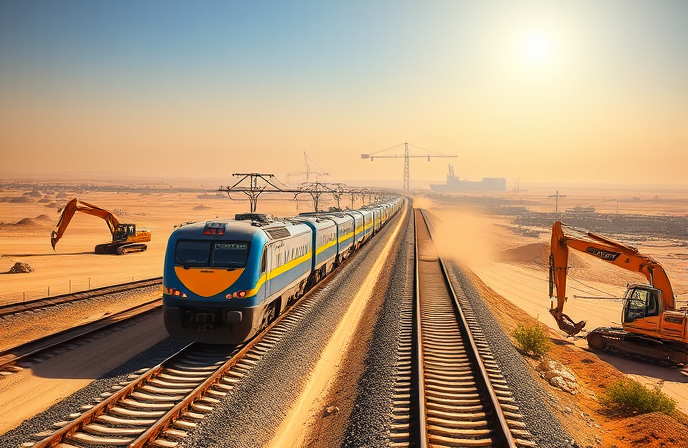
World Bank Commits USD 930 Million to Transform Iraq’s Railway Network
The World Bank has greenlit a substantial USD 930 million financing package aimed at revolutionizing Iraq’s railway infrastructure. This ambitious project, the Iraq Railways Extension and Modernisation (IREM) project, will revitalize a vast network of 1,047 kilometers, stretching from the strategic Umm Qasr Port in the south to Mosul in the north, traversing the capital city of Baghdad. This monumental undertaking is slated for completion by 2032 and represents a crucial step in Iraq’s transition from post-conflict reconstruction to robust economic development. The funding will address critical needs including fleet modernization, workshop refurbishment, and procurement of essential equipment, signifying a detailed overhaul of the nation’s rail capabilities. This article will delve into the key components of the IREM project, analyzing its objectives, technical aspects, and potential impact on Iraq’s economy and regional connectivity.
Network Expansion and Infrastructure Upgrades
The core of the IREM project centers on the detailed upgrade and expansion of Iraq’s railway network. This includes the rehabilitation of existing lines, track improvements, and the construction of new segments to enhance connectivity between key economic hubs. A significant portion of the funding will be directed towards modernizing the track infrastructure, ensuring smoother and safer operations. This involves replacing aging rails, upgrading signaling systems, and implementing advanced train control technologies. The project also includes crucial upgrades to level crossings, incorporating safety measures and community awareness campaigns. Additionally, the project’s scope extends to address the aging fleet of locomotives and rolling stock, with plans for procurement of modern and efficient equipment. The refurbishment of the Baiji maintenance workshop will be instrumental in ensuring the longevity and optimal performance of the rolling stock, thereby minimizing downtime and maximizing operational efficiency.
Fleet Modernization and Maintenance Enhancement
A crucial element of the IREM project focuses on revitalizing Iraq’s existing rail fleet and bolstering maintenance capabilities. The initiative will involve the procurement of new locomotives and rolling stock, featuring modern technology for enhanced performance and fuel efficiency. These new assets are intended to replace outdated equipment, significantly reducing operating costs and environmental impact. Concurrently, the refurbishment of the Baiji maintenance workshop will improve maintenance capabilities. This will encompass the installation of advanced diagnostic tools, equipment, and the training of skilled personnel. The result will be more reliable and safer operations and reduced operational disruptions. The project will focus on establishing a robust maintenance regime to ensure the long-term viability and functionality of the modernized railway system.
Institutional Strengthening and Private Sector Participation
Beyond physical infrastructure, the IREM project places considerable emphasis on strengthening the institutional capacity of the Iraqi Republic Railways (IRR). The World Bank will provide technical assistance to improve the IRR’s corporate performance, helping the organization to adopt best practices in railway management and operations. This includes developing a detailed Railway Sector Reform Action Plan to streamline processes and foster greater efficiency. The project also aims to encourage private sector involvement in the development of railway infrastructure, promoting public-private partnerships (PPPs) for the establishment of dry ports and logistics hubs. This will not only inject capital into the sector but also generate high-skill jobs and promote sustainable development. Supporting women’s participation in the rail sector will also be key to this. The program will provide training for IRR staff, to enhance expertise and ensure a skilled workforce.
Impact and Future Outlook
The IREM project promises to have a transformative impact on Iraq’s economy and regional connectivity. By enhancing railway capacity, the project aims to reduce travel times, increase freight volumes, and provide users with improved access to sustainable transportation infrastructure and services. This will reduce reliance on road transport, lowering carbon emissions and improving safety. The revitalization of the railway network is expected to stimulate domestic trade, create jobs, and diversify the economy, reducing its dependence on the oil sector. The projections indicate that by 2037, the revived railway line between Umm Qasr Port and Mosul is anticipated to carry 6.3 million tonnes of domestic freight, 1.1 million tonnes of exports/imports, and 2.85 million passengers, underscoring the project’s substantial contribution to Iraq’s economic growth and regional integration.
Conclusion
The World Bank’s commitment to the Iraq Railways Extension and Modernisation project marks a pivotal moment in Iraq’s efforts to rebuild its infrastructure and foster sustainable economic development. The USD 930 million investment will transform the country’s rail network, facilitating enhanced connectivity, boosting trade, and generating employment opportunities. This project’s focus on detailed upgrades, institutional strengthening, and private sector participation will lay the foundation for a modern, efficient, and sustainable railway system. The success of the IREM project will depend on effective implementation, continuous monitoring, and collaborative efforts between the World Bank, the Iraqi government, and the private sector. The anticipated outcomes, including increased freight capacity, reduced travel times, and improved safety, will contribute significantly to Iraq’s economic diversification and regional integration. As Iraq transitions towards a more diversified economy, this railway initiative represents a crucial step towards building a resilient and prosperous future.

Railway infrastructure, rolling stock and transport technologies specialist focused on global rail industry developments, high-speed rail systems, signaling technologies and freight transportation. Covering railway investments, public transport modernization, rail operations and international mobility projects across Europe, Asia and North America.
RELATED POSTS

October 1, 2026 7:09 am
United States regulators confirmed a September 30 deadline for the...

October 8, 2026 1:15 pm
Alstom secured a €1bn contract to build 13 automated trains,...

October 4, 2026 5:14 pm
Alstom secured a CA$4.7 billion order from VIA Rail Canada...

October 1, 2026 12:13 am
Illinois approved $1.5 billion annually for the Northern Illinois Transit...

October 6, 2026 2:14 am
Union Pacific launched export rail shipments with Ferromex to deliver...

October 1, 2026 6:10 am
Amtrak approved a System Expansion Committee on July 30 to...