
HŽPP Launches €53.6 Million Six BEMU Tender Croatia
Croatia’s HŽPP launched a €53.6 million tender for six battery-electric multiple units and a hybrid charging station by 2029.
⚡ In Brief: Croatia’s HŽ Putnički Prijevoz has opened a EUR 53.6 million tender for six battery-electric multiple units and a hybrid charging station to modernize regional non-electrified routes by 2029.
ZAGREB, CROATIA – National passenger rail operator HŽ Putnički Prijevoz launched a EUR 53.6 million tender on May 20, 2026, for the procurement of six battery-electric multiple units (BEMUs) and a dedicated hybrid charging station at Kotoriba station. Bids for the European Union-funded project must be submitted by June 2, 2026, ahead of a scheduled 30-month implementation period beginning October 1, 2026. This rolling stock acquisition marks a major phase in Croatia’s regional rail decarbonization strategy.
What Does This Contract Cover?
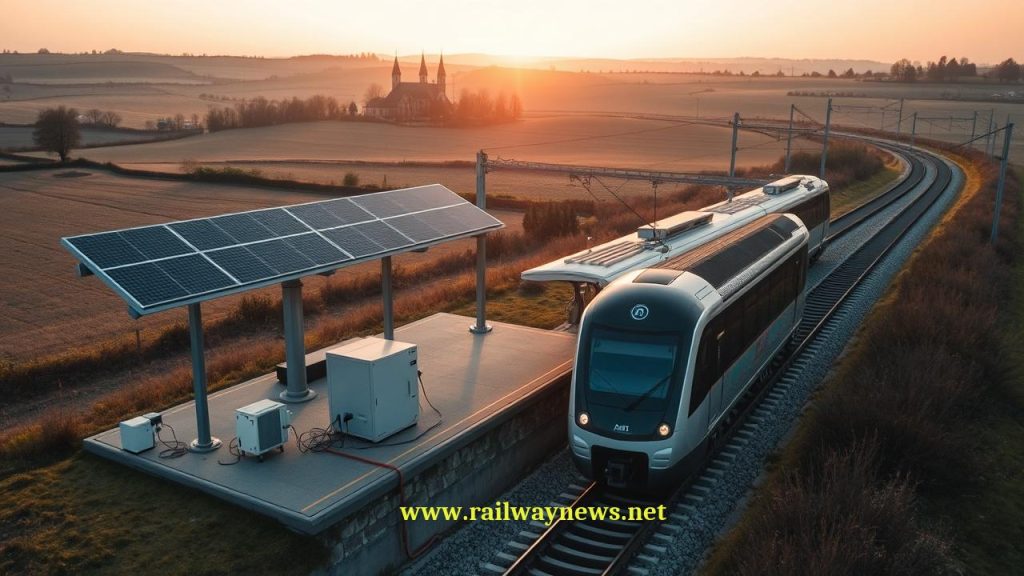
The procurement contract covers the supply of six battery-electric multiple units and the installation of an integrated solar-powered charging infrastructure in northern Croatia. The BEMUs will operate across the non-electrified networks of Krapina-Zagorje, Varaždin, Koprivnica-Križevci, and Međimurje, primarily connecting through the Varaždin regional hub. The hybrid charging station in Kotoriba will combine grid power, a localized photovoltaic solar array, and a stationary battery energy storage system (BESS) to charge the trains on-site. The rolling stock must functionally couple with HŽPP’s existing new-generation fleet, reflecting a strict 15-point weighting for compatibility in the tender evaluation. The exact storage capacity (in megawatt-hours) of the stationary battery storage system and the specific battery capacity of the BEMUs were not disclosed in the tender documentation.
Key Contract Data
| Parameter | Value |
|---|---|
| Contract Name | Procurement of Six Battery-Electric Multiple Units (BEMUs) and Hybrid Charging Station |
| Total Value | EUR 53.6 million (excluding VAT) |
| Parties Involved | HŽ Putnički Prijevoz (HŽPP); Bidders TBD |
| Timeline / Completion | 30-month contract period starting October 1, 2026 (Delivery by April 2029) |
| Country / Corridor | Croatia (Varaždin regional unit and Kotoriba station) |
How Does This Compare to Similar Contracts?
This EUR 53.6 million procurement represents a highly targeted regional expansion compared to Croatia’s broader rolling stock investments. For context, HŽPP signed a much larger EUR 118 million contract with domestic manufacturer Končar Electric Vehicles in July 2025 for 13 hybrid trains (diesel-electric and battery-electric units) scheduled for passenger service starting in 2027 (Source: HŽPP, 2025). While the 2025 contract focused on dual-mode rolling stock, the 2026 tender pivots toward pure BEMU technology supported by fixed, self-sustaining trackside charging infrastructure. Globally, alternative charging strategies are emerging to address localized grid constraints; for instance, ACMobility has deployed mobile “Power-on-Wheels” DC fast-charging units in Southeast Asia to resolve infrastructure gaps dynamically (Source: CleanTechnica, 2026). However, HŽPP’s choice of a fixed hybrid solar-and-storage station at Kotoriba indicates a preference for permanent, high-capacity regional hubs over mobile charging deployments.
Editor’s Analysis
By tying 15% of the tender evaluation to functional coupling capability with existing rolling stock, HŽPP is actively mitigating the long-term maintenance penalties associated with highly fragmented fleets. This BEMU rollout directly aligns with Croatia’s National Recovery and Resilience Plan, which prioritizes digital transformation and green infrastructure to modernize regional lines that cannot justify the high capital cost of full overhead electrification (Source: European Commission, 2025). Ultimately, this project serves as a critical test case for whether decentralized solar-plus-storage rail charging can reliably support regional timetables without destabilizing local distribution grids.
FAQ
Q: Which regions of Croatia will these new battery-electric trains serve?
A: The six BEMUs will operate on regional and suburban non-electrified lines across the Krapina-Zagorje, Varaždin, Koprivnica-Križevci, and Međimurje regions. They will primarily run within the Varaždin regional unit.
Q: How does the hybrid charging station in Kotoriba work?
A: The station utilizes a combination of electricity from the national grid, a dedicated local solar photovoltaic system, and a stationary battery energy storage system. On-site renewable energy will charge the stationary battery, which then charges the train batteries.
Q: What are the main criteria for evaluating the contract bids?
A: Bids will be scored out of 100 points, with price accounting for 65 points. The remaining points are allocated to the warranty period (15 points), functional coupling compatibility with existing rolling stock (15 points), and the use of a steel carbody structure (5 points).

Railway infrastructure, rolling stock and transport technologies specialist focused on global rail industry developments, high-speed rail systems, signaling technologies and freight transportation. Covering railway investments, public transport modernization, rail operations and international mobility projects across Europe, Asia and North America.
RELATED POSTS

October 8, 2026 1:15 pm
Alstom secured a €1bn contract to build 13 automated trains,...

October 1, 2026 7:09 am
United States regulators confirmed a September 30 deadline for the...

October 8, 2026 12:18 pm
Siemens Mobility signed an agreement with VinSpeed to supply 350...

October 4, 2026 5:14 pm
Alstom secured a CA$4.7 billion order from VIA Rail Canada...

October 5, 2026 6:12 pm
AECOM and Jacobs secured a contract in September 2026 to...

October 4, 2026 11:08 pm
Sound Transit confirmed the September 30 opening of Seattle Pinehurst...