
Hydrogen Trains: UK Rail’s Green Revolution?
The feasibility of integrating hydrogen-powered trains into the UK rail network is being assessed through a study commissioned by RSSB, focusing on operational procedures, technological challenges, safety considerations, and regulatory frameworks to ensure a smooth transition.
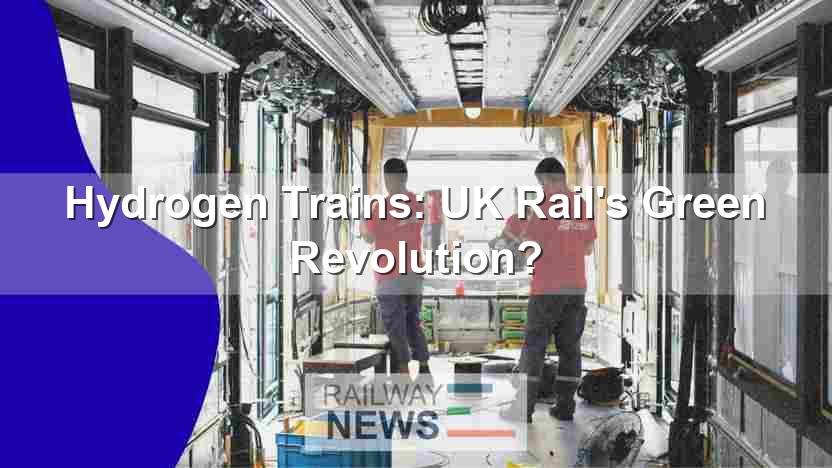
The transition to sustainable transportation is a global imperative, and the UK rail network is actively seeking alternatives to its aging diesel fleet. This article explores the burgeoning potential of hydrogen-powered trains as a viable solution to decarbonize the railway, focusing on the recent Arup study commissioned by the Rail Safety and Standards Board (RSSB). The study aims to create a detailed roadmap for the integration of hydrogen trains into the UK’s existing rail infrastructure, addressing operational, safety, and regulatory challenges. This involves a detailed assessment of the technological, infrastructural, and economic factors influencing the successful deployment of this promising technology. We will investigate the technical hurdles, safety considerations, and regulatory frameworks that must be navigated to ensure a smooth and safe transition. Finally, we will assess the wider implications of hydrogen train adoption for the UK rail industry and the environment.
Operational Considerations and Technological Challenges
The successful implementation of hydrogen-powered trains requires careful consideration of operational aspects. The study by Arup will address the development of a high-level operational concept, outlining the procedures for train operation, maintenance, and refueling. Key challenges include establishing efficient refueling infrastructure across the UK rail network, potentially requiring significant investment in new facilities and logistical planning. Additionally, the range and performance of hydrogen trains compared to electric trains or diesel trains need detailed assessment, especially in terms of varying terrain and passenger load. Technical issues such as hydrogen storage, onboard fuel cell technology, and energy efficiency will be meticulously investigated to determine optimal performance under different operating conditions.
Safety and Regulatory Compliance
Safety is paramount in the rail industry. Arup’s study will rigorously evaluate the operational hazards associated with hydrogen fuel, including potential leaks, explosions, and fire risks. This necessitates the development of stringent safety protocols, detailed risk assessments, and robust emergency response plans. Moreover, the integration of hydrogen trains into the existing rail system requires careful consideration of compatibility with current signaling and communication systems. The study will also examine the regulatory framework surrounding the operation of hydrogen trains, ensuring compliance with all relevant safety standards and environmental regulations. This includes working with manufacturers, regulators, rolling stock owners (RSOs), and train operating companies (TOCs) to ensure a harmonized approach to safety and operational procedures.
Infrastructure and Standardization
The widespread adoption of hydrogen trains requires substantial investment in infrastructure. The existing railway network may need upgrades to accommodate hydrogen refueling stations, specialized maintenance facilities, and potentially modifications to existing rolling stock depots. Arup’s research will focus on the level of standardization required for the UK rail system to seamlessly integrate hydrogen technology. This includes defining standardized interfaces, protocols, and safety requirements across all components of the system, from the train itself to the refueling infrastructure and maintenance procedures. The study will also examine the cost-effectiveness of different infrastructure solutions and their environmental impact, ensuring a balanced approach to sustainability and economic viability.
Economic and Environmental Impacts
The economic implications of transitioning to hydrogen-powered trains are crucial. Arup’s work will analyze the lifecycle costs associated with hydrogen train deployment, encompassing capital expenditure on infrastructure, rolling stock, and fuel, as well as operational and maintenance costs. This assessment will compare the economic viability of hydrogen trains with other decarbonization options, such as electrification or battery-electric trains. Additionally, the environmental impact will be evaluated through a detailed life cycle assessment (LCA), considering the carbon footprint of hydrogen production, train operation, and end-of-life disposal. The study will also consider the potential social and economic benefits of creating new jobs and boosting local economies.
Conclusions
The Arup study commissioned by the RSSB represents a significant step towards a sustainable future for the UK rail network. The successful integration of hydrogen-powered trains hinges on a detailed understanding of operational challenges, safety protocols, and regulatory frameworks. Arup’s work will delve into the complexities of integrating this new technology into the existing system, addressing issues ranging from the development of efficient refueling infrastructure to ensuring regulatory compliance and harmonizing safety standards. The economic viability of hydrogen trains, compared to alternative decarbonization strategies, will also be critically assessed. The study’s findings will provide a crucial roadmap for the UK government and rail industry stakeholders, informing decisions on infrastructure investment, technological development, and policy formulation. By addressing the technical, economic, and environmental aspects of hydrogen train deployment, the study aims to pave the way for a cleaner, more efficient, and sustainable railway network, contributing to the UK’s broader decarbonization goals and improving the passenger experience.
Ultimately, the successful implementation of hydrogen-powered trains will depend on a collaborative effort between manufacturers, regulators, infrastructure providers, and train operating companies. A concerted approach will be necessary to address the technical challenges, ensure safety standards are met, and create a business case that is both economically viable and environmentally sustainable. This necessitates a long-term strategic vision that considers the entire lifecycle of hydrogen train deployment, from manufacturing and operation to eventual decommissioning. The Arup study provides a critical foundation for this endeavor, offering invaluable insights and recommendations that will help shape the future of rail transport in the UK.

Railway infrastructure, rolling stock and transport technologies specialist focused on global rail industry developments, high-speed rail systems, signaling technologies and freight transportation. Covering railway investments, public transport modernization, rail operations and international mobility projects across Europe, Asia and North America.
RELATED POSTS

October 8, 2026 1:15 pm
Alstom secured a €1bn contract to build 13 automated trains,...

October 1, 2026 7:09 am
United States regulators confirmed a September 30 deadline for the...

October 8, 2026 12:18 pm
Siemens Mobility signed an agreement with VinSpeed to supply 350...

October 4, 2026 5:14 pm
Alstom secured a CA$4.7 billion order from VIA Rail Canada...

October 5, 2026 6:12 pm
AECOM and Jacobs secured a contract in September 2026 to...

October 4, 2026 11:08 pm
Sound Transit confirmed the September 30 opening of Seattle Pinehurst...