
HS2 Northolt Tunnel Progress: Cutterhead Removal Marks Milestone
The removal of the cutterhead and associated components of TBM “Caroline” marks a significant milestone in the HS2 project, signaling progress in tunneling within the Northolt Tunnel and highlighting the advanced engineering feats required to construct this high-speed railway.
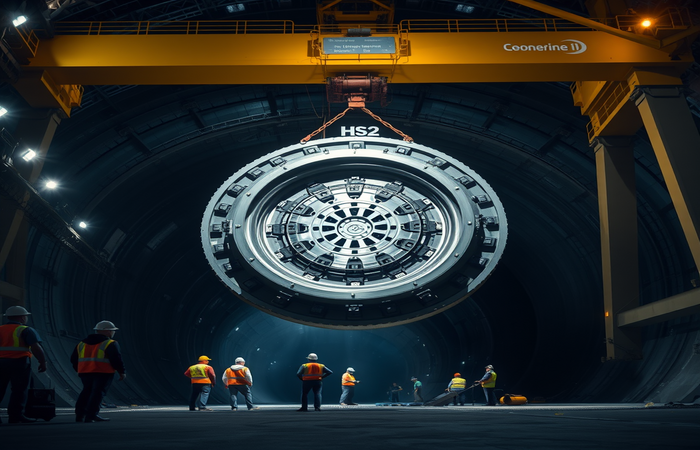
HS2 Project Marks Milestone: Cutterhead Removal Signals Progress in Northolt Tunnel Construction
The High Speed 2 (HS2) project, a monumental undertaking to revolutionize rail travel in the United Kingdom, continues to advance. A significant step was taken on Sunday, May 25th, with the removal of the cutterhead and associated components of Tunnel Boring Machine (TBM) “Caroline.” This operation, involving a massive gantry crane, signals the completion of Caroline’s tunnelling phase within the Northolt Tunnel, a critical segment of the HS2 route. The removal of the 850-tonne cutterhead marks a pivotal moment in the project, highlighting the engineering feats and logistical precision required to construct this high-speed railway. This article will delve into the details of this operation, the significance of the Northolt Tunnel, and the broader impact of HS2 on the UK’s rail infrastructure, including what the TBMs (Tunnel Boring Machines) mean for the industry. We will explore the technical aspects of the TBMs, the challenges of underground construction, and the overall benefits that the HS2 project is designed to bring.
Deconstructing “Caroline”: A Technical Perspective
The removal of the cutterhead and front/middle shield of TBM “Caroline” represents the culmination of extensive underground work. The TBM, with a cutterhead diameter of 9.48 meters, completed its five-mile journey from West Ruislip in April, entering an underground reception chamber. The machine’s primary function was to excavate the tunnel, and it achieved impressive results: over 1.2 million tonnes of earth were extracted, and 4,217 tunnel rings were installed to create a secure tunnel lining. The process of removing such a massive piece of equipment is a complex engineering feat in itself. It involves careful planning, precision lifting, and the use of specialized equipment, such as the large gantry crane. The entire operation underscores the technical expertise and logistical coordination required to execute large-scale infrastructure projects of this nature, especially in the challenging environment of underground construction.
The Northolt Tunnel: A Vital Link in the HS2 Network
The Northolt Tunnel plays a crucial role in the overall HS2 project. This 8.4-mile tunnel, constructed by four TBMs, is designed to carry HS2 trains from Old Oak Common Station to the outskirts of London, effectively providing a high-speed link through a densely populated area. The Northolt Tunnel’s construction highlights the project’s commitment to minimizing surface disruption, as the majority of the route is underground. The use of multiple TBMs demonstrates the scale and ambition of the HS2 project, with each machine contributing to the completion of this critical infrastructure component. Additionally, the naming of TBMs, such as “Caroline” (named after astronomer Caroline Herschel), by local schools adds a community element to the project.
TBMs and the Future of Tunneling
Tunnel Boring Machines (TBMs) are essential tools in modern infrastructure projects. These machines are designed to excavate tunnels in a variety of ground conditions, from soft ground to hard rock, with minimal disruption to the surface. The TBMs used on the HS2 project, including “Caroline,” are sophisticated pieces of engineering. They not only excavate the tunnel but also install the precast concrete segments that form the tunnel lining. The use of TBMs is an efficient and environmentally friendly method for tunneling, as it reduces the need for surface excavation and the associated environmental impacts. The success of these machines on the HS2 project provides a blueprint for future tunneling projects, both in the UK and around the world, setting new standards for efficiency, safety, and environmental sustainability.
Impact and Conclusion: HS2 and the Future of Rail
The removal of TBM “Caroline’s” cutterhead represents a significant milestone in the HS2 project, specifically within the Northolt Tunnel construction. This accomplishment showcases the capabilities of modern engineering and the effective use of advanced technologies such as TBMs. The completion of the tunnel and its subsequent use will significantly improve the capacity and speed of rail transport in the UK. The Northolt Tunnel itself is a critical piece of infrastructure within the HS2 network, directly impacting how trains move in and out of London. Additionally, the successful implementation of HS2 will stimulate economic growth by creating job opportunities. It will also boost productivity by decreasing travel times, and foster sustainable transportation choices by promoting rail travel over other, more polluting, modes of transportation. The project has been a catalyst for innovation in the rail industry, driving improvements in engineering, construction, and project management. The expertise gained from this and other similar projects will be invaluable in future infrastructure endeavors, securing the UK’s position at the forefront of transportation technology. As HS2 continues to develop, it’s vital to remember the dedication and precision of the engineers, technicians, and the local communities who have contributed to this ground-breaking project, paving the way for a more connected and sustainable future.
Companies Summary:
The article highlights the involvement of various engineering companies, construction firms, and specialized equipment providers involved in the HS2 project, including those responsible for the design, manufacturing, and operation of the TBMs. It also shows the work of several companies that helped with the construction of the project.
Country and Date:
United Kingdom, May 25th

Railway infrastructure, rolling stock and transport technologies specialist focused on global rail industry developments, high-speed rail systems, signaling technologies and freight transportation. Covering railway investments, public transport modernization, rail operations and international mobility projects across Europe, Asia and North America.
RELATED POSTS

October 1, 2026 7:09 am
United States regulators confirmed a September 30 deadline for the...

October 8, 2026 1:15 pm
Alstom secured a €1bn contract to build 13 automated trains,...

October 4, 2026 5:14 pm
Alstom secured a CA$4.7 billion order from VIA Rail Canada...

October 8, 2026 12:18 pm
Siemens Mobility signed an agreement with VinSpeed to supply 350...

October 5, 2026 6:12 pm
AECOM and Jacobs secured a contract in September 2026 to...

October 4, 2026 11:08 pm
Sound Transit confirmed the September 30 opening of Seattle Pinehurst...