
Hitachi Rail Launches SELTrac CBTC on SEPTA’s Media-Sharon Line
Hitachi Rail launched its SelTrac CBTC digital signaling system on SEPTA’s 11.9-mile Media–Sharon Hill line in March 2026.
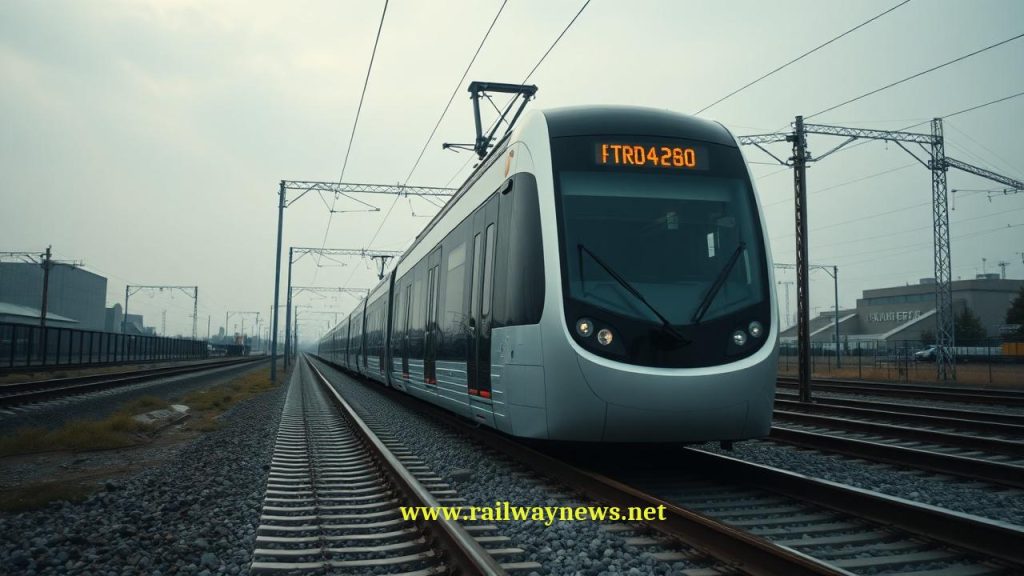
⚡ In Brief: Hitachi Rail has launched its SelTrac™ CBTC digital signaling system on SEPTA’s 11.9-mile Media–Sharon Hill line in Pennsylvania, upgrading one of the last classic interurban tram networks in the United States to modern digital control standards.
PHILADELPHIA, USA – Hitachi Rail has completed the commercial launch of its SelTrac™ Communications-Based Train Control (CBTC) system on the Southeastern Pennsylvania Transportation Authority (SEPTA) network. The digital signaling upgrade covers the 11.9-mile (19 km) Media–Sharon Hill light rail line. The new system replaces decades-old signaling infrastructure on the historic interurban route.
What Are the Technical Specifications?
The project involves the full implementation of Hitachi Rail’s SelTrac™ CBTC technology across the double-track line between 69th Street Transportation Center and the Media and Sharon Hill terminals. The system is designed to enable more precise train location tracking, allowing for reduced headways and improved service regularity without requiring major physical track or power infrastructure changes. Specific details regarding the radio frequency band used or the model of on-board controllers were not disclosed in the announcement.
Key Technical Data
| Parameter | Value |
|---|---|
| Technology / System Name | SelTrac™ Communications-Based Train Control (CBTC) |
| Total Value | Not disclosed |
| Parties Involved | Hitachi Rail, Southeastern Pennsylvania Transportation Authority (SEPTA) |
| Timeline / Completion | Commercial launch announced March 2026 |
| Country / Corridor | USA / SEPTA Media–Sharon Hill Line (11.9 miles) |
Where Does This Technology Stand in the Market?
Hitachi Rail’s SelTrac™ is a major system in the global CBTC market, competing directly with solutions like Alstom’s Urbalis and Siemens Mobility’s Trainguard MT. While all three systems provide moving-block operation to increase line capacity, Alstom’s Urbalis 400 is widely deployed on high-density metro lines globally (Source: Alstom), and Siemens’ Trainguard MT was significantly used for the first unattended train operation (UTO) on a major US line, New York City’s Canarsie “L” Line (Source: Siemens Mobility). The selection of SelTrac™ for a historic light rail/tram line like SEPTA’s highlights the technology’s adaptability beyond traditional heavy metro applications.
Editor’s Analysis
The deployment of CBTC on this historic line is indicative of a broader trend among North American transit authorities to modernize legacy infrastructure to improve reliability and safety. This upgrade occurs as SEPTA undertakes a significant overhaul of its bus network and recovers from operational incidents like the recent transformer fire on its Market-Frankford Line, underscoring a system-wide focus on service improvement. The project aligns with forecasts of a rebound in the U.S. railway signalling market, driven by stabilizing economic conditions and stronger industrial demand in 2026 (Source: GroundBreak Carolinas).
FAQ
Q: What is CBTC and why is it an upgrade?
A: CBTC (Communications-Based Train Control) is a digital signaling system that uses radio communication to track the exact position of trains. This is a significant upgrade from older, fixed-block systems, as it allows for shorter, safer intervals between trains, thereby increasing line capacity and service reliability.
Q: Does this signaling upgrade affect the entire SEPTA rail network?
A: No, this implementation of Hitachi Rail’s SelTrac™ is specific to the 11.9-mile Media–Sharon Hill light rail line. Other lines within the SEPTA network, such as the Market-Frankford Line or its Regional Rail corridors, operate on different signaling systems.
Q: What is the direct impact on passengers on the Media-Sharon Hill line?
A: The primary passenger benefits are expected to be improved service reliability and more consistent travel times. By optimizing train intervals, SEPTA can potentially run a more frequent or regular service in the future, although no specific service changes have been announced yet.

Railway infrastructure, rolling stock and transport technologies specialist focused on global rail industry developments, high-speed rail systems, signaling technologies and freight transportation. Covering railway investments, public transport modernization, rail operations and international mobility projects across Europe, Asia and North America.
RELATED POSTS

October 8, 2026 1:15 pm
Alstom secured a €1bn contract to build 13 automated trains,...

October 1, 2026 7:09 am
United States regulators confirmed a September 30 deadline for the...

October 4, 2026 5:14 pm
Alstom secured a CA$4.7 billion order from VIA Rail Canada...

October 5, 2026 6:12 pm
AECOM and Jacobs secured a contract in September 2026 to...

October 1, 2026 12:13 am
Illinois approved $1.5 billion annually for the Northern Illinois Transit...

October 4, 2026 11:08 pm
Sound Transit confirmed the September 30 opening of Seattle Pinehurst...