
Hamburg-Berlin Rail: DB’s Infrastructure Upgrade & Benefits
Deutsche Bahn to overhaul Hamburg-Berlin railway corridor, impacting passenger and freight traffic for nine months.
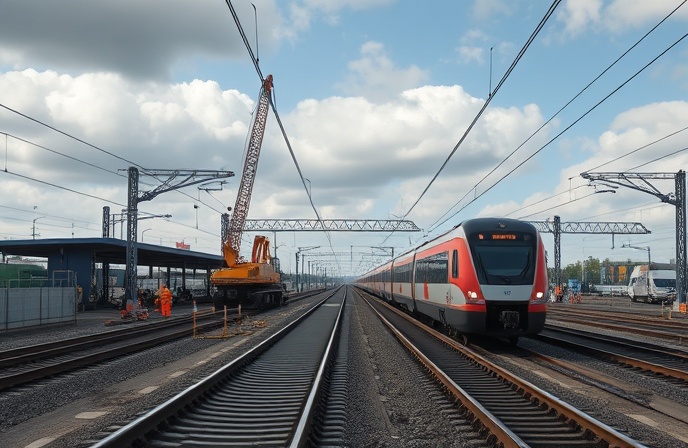
Major Overhaul Planned for Hamburg-Berlin Railway Corridor
Deutsche Bahn (DB), Germany’s national railway operator, is set to commence a detailed renovation of the crucial Hamburg-Berlin railway corridor in August. This ambitious project, scheduled for completion by April 30, 2026, will necessitate a nine-month closure of the 280-kilometer route. The initiative aims to significantly enhance both the reliability and capacity of this vital artery, which currently handles up to 30 long-distance and 130 freight trains daily. The project underscores DB’s strategic shift towards detailed infrastructure overhauls to expedite modernization efforts and combat infrastructure-related disruptions. This article will delve into the specifics of the project, its underlying rationale, and its potential impact on both passenger and freight transport.
Innovations in Track Maintenance and Renewal
The planned refurbishment of the Hamburg-Berlin corridor represents a paradigm shift in DB’s infrastructure maintenance strategy. Rather than engaging in piecemeal repairs, the project adopts a holistic approach, involving a complete renewal of critical components. The core of the upgrade encompasses the replacement of approximately 900 kilometers of track, 150 sets of switches, and 7,000 overhead line masts. This detailed replacement program is designed to address the root causes of capacity limitations and service disruptions. The use of modern track laying techniques and materials will contribute to improved ride quality and reduced maintenance requirements in the long term, enhancing the overall efficiency and lifespan of the infrastructure. This contrasts with earlier maintenance strategies that frequently involved temporary fixes, leading to recurring problems. The project specifically targets the core components that are fundamental to the rail network’s safe and efficient operation.
Station Upgrades and Accessibility Enhancements
In addition to track and overhead line renewals, the project incorporates significant upgrades to several key stations along the Hamburg-Berlin corridor. Stations such as Ludwigslust, Wittenberge, and Büchen will undergo extensive renovations, with a focus on improving accessibility for all passengers. These enhancements will include platform upgrades to facilitate easier boarding and alighting, particularly for passengers with reduced mobility. The upgrades are aligned with the goals set by Germany’s Federal Ministry for Digital and Transport (BMDV) for improved infrastructure. These modifications are part of a broader initiative to create a more inclusive and user-friendly railway system, ensuring that all passengers can travel safely and comfortably. The investment in station infrastructure also considers factors such as modern waiting areas, updated information systems, and improved passenger flow, enhancing the overall travel experience.
Modernization of Signaling and Safety Systems
A critical component of the Hamburg-Berlin corridor upgrade is the modernization of signaling and safety systems. This will involve replacing or upgrading existing systems to incorporate advanced technologies, including the deployment of digital interlockings. Digital interlockings offer several advantages over traditional electromechanical systems, including increased reliability, enhanced flexibility, and improved operational efficiency. These systems enable more sophisticated train control and management, leading to greater capacity and reduced delays. Additionally, the upgrade will incorporate the latest safety standards, ensuring that the route meets the highest levels of security for both passenger and freight operations. Modernization of signal and safety systems is a key step in DB’s overall strategy to improve the railway’s operational performance and provide a more reliable travel experience.
Operational Adjustments and Rerouting Strategies
During the nine-month closure, DB will implement a carefully planned operational strategy to mitigate disruptions. A basic long-distance service will be maintained between Hamburg and Berlin, albeit with diversions. Regional rail services will be replaced by buses, ensuring continuity of passenger transport. For freight traffic, DB will reroute trains via alternative corridors as part of its broader freight network strategy. This re-routing plan will leverage existing infrastructure to minimize the impact on freight operations and maintain the flow of goods across the country. The careful planning is crucial to ensure a balance between the extensive construction work and maintaining some level of operational capacity during the refurbishment period. This integrated approach ensures minimum disruption to the flow of goods and the passenger experience during this key construction phase.
Conclusion
The upcoming general overhaul of the Hamburg-Berlin railway corridor marks a significant step in Deutsche Bahn’s ongoing effort to modernize and enhance its national rail network. The project, supported by substantial funding from the Federal Ministry for Digital and Transport, reflects a strategic shift towards detailed infrastructure renewals to improve the reliability, capacity, and overall performance of a crucial transportation artery. By implementing advanced track maintenance, station improvements, and modern signaling systems, DB aims to create a more efficient and user-friendly railway system. The temporary closures and the planned rerouting efforts of both passenger and freight traffic will provide some challenges, however the long-term benefits of this upgrade are considerable, aligning with Germany’s “S3” national infrastructure improvement strategy. The success of this project could serve as a blueprint for similar modernization efforts across other critical corridors, paving the way for a more robust and dependable railway network across Germany and contributing to a future of reliable, efficient, and modern rail infrastructure.
Company Summary: Deutsche Bahn (DB)
Deutsche Bahn (DB) is the primary railway operator in Germany, and a significant player in the European rail transport sector. DB operates a diverse range of services, including long-distance passenger transport (ICE, IC), regional passenger transport, and freight transportation (DB Cargo). DB is responsible for managing Germany’s extensive railway infrastructure, including tracks, stations, and signaling systems. Its key objectives include modernizing and expanding the rail network, promoting sustainable transportation solutions, and enhancing passenger and freight transport services.

Railway infrastructure, rolling stock and transport technologies specialist focused on global rail industry developments, high-speed rail systems, signaling technologies and freight transportation. Covering railway investments, public transport modernization, rail operations and international mobility projects across Europe, Asia and North America.
RELATED POSTS

October 1, 2026 7:09 am
United States regulators confirmed a September 30 deadline for the...

October 8, 2026 1:15 pm
Alstom secured a €1bn contract to build 13 automated trains,...

October 4, 2026 5:14 pm
Alstom secured a CA$4.7 billion order from VIA Rail Canada...

October 1, 2026 12:13 am
Illinois approved $1.5 billion annually for the Northern Illinois Transit...

October 6, 2026 2:14 am
Union Pacific launched export rail shipments with Ferromex to deliver...

October 1, 2026 6:10 am
Amtrak approved a System Expansion Committee on July 30 to...