
GO Expansion: Independent Safety Assessment & Risk Mitigation
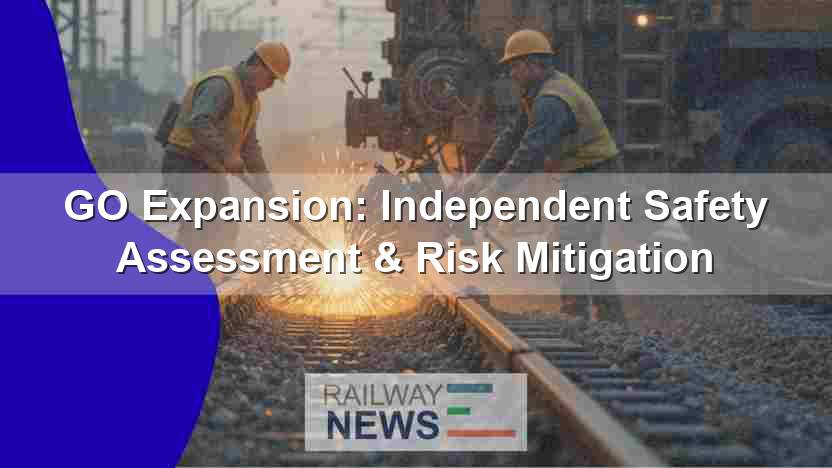
The appointment of Ricardo Certification as the Independent Safety Assessor (ISA) for the GO Expansion program underscores the critical role independent safety verification plays in ensuring the successful delivery and safe operation of a major rail infrastructure upgrade, transforming the existing diesel-powered system into a modern, electrified network.
Introduction
This article explores the critical role of independent safety assessment in large-scale railway infrastructure projects, using the GO Expansion program in the Greater Toronto and Hamilton Area (GTHA) as a case study. The GO Expansion project represents a significant undertaking, transforming the existing GO Transit network from a primarily diesel-powered system to a modern, electrified network capable of significantly increased service frequency and capacity. This transformation necessitates rigorous safety oversight throughout the design, construction, and implementation phases. The appointment of Ricardo Certification as the Independent Safety Assessor (ISA) highlights the importance placed on proactively mitigating risks and ensuring the safety of passengers and railway personnel. We will explore the complexities of this assessment process, the challenges inherent in upgrading such a substantial network, and the overall contribution of independent safety verification to the successful delivery of major rail projects. The focus will be on the significance of early-stage safety evaluations in minimizing costly rework and delays during later stages of the project.
Independent Safety Assessment: A Critical Component of GO Expansion
Metrolinx, the agency responsible for the planning and delivery of public transportation in the GTHA, has contracted Ricardo Certification to act as the ISA for the GO Expansion program. This signifies a commitment to independent verification of the project’s safety documentation. Ricardo’s role involves a detailed review of crucial documents, including the system definition, system safety plan, and the overall safety case. This meticulous scrutiny ensures compliance with all relevant safety standards and regulations, minimizing the potential for accidents or operational issues stemming from design flaws or inadequate safety measures. The independent nature of this assessment provides an unbiased evaluation, vital for maintaining the integrity of the safety processes.
The Scope of the GO Expansion Project and its Safety Implications
The GO Expansion program is a multi-faceted undertaking encompassing several key elements: the introduction of modern electric multiple units (EMUs) replacing the existing diesel locomotives, extensive track upgrades, implementation of a new signaling system, and the electrification of over 650 kilometers of track. The scale of this project necessitates an equally detailed safety assessment. The transition to electric traction alone introduces new safety considerations related to overhead lines, substations, and the overall electrical infrastructure. The increased service frequency, targeting trains every 15 minutes compared to the previous schedule, adds another layer of complexity, demanding rigorous safety management to prevent potential conflicts and maintain operational reliability. The projected increase in train services from approximately 3,500 to over 10,000 annually underscores the critical need for a robust safety framework.
Early Stage Evaluation: Cost and Time Savings
Ricardo’s involvement focuses on evaluating safety documentation during the design phase. This proactive approach is crucial for cost and time efficiency. Identifying and rectifying safety concerns at an early stage prevents costly modifications and delays during construction, commissioning, and testing. The cost of correcting design flaws after construction has commenced is exponentially higher than addressing them during the planning stage. Early intervention also minimizes the potential for project delays, ensuring the timely delivery of the upgraded rail network and its associated benefits to commuters in the GTHA. This approach ultimately contributes to a more cost-effective and timely completion of the GO Expansion project.
Conclusion
The GO Expansion program represents a significant investment in the future of public transportation in the Greater Toronto and Hamilton Area. The integration of electric multiple units, extensive track upgrades, new signaling, and widespread electrification are transformative changes requiring meticulous planning and execution. The decision to engage Ricardo Certification as an Independent Safety Assessor underscores the importance that Metrolinx places on robust safety management. The proactive approach of reviewing safety documentation during the design phase is demonstrably crucial, allowing for the identification and mitigation of safety concerns before they escalate into costly and time-consuming problems during later project stages. The independent nature of this assessment adds a layer of accountability, ensuring compliance with the highest safety standards. This commitment to safety not only safeguards the lives of commuters and railway personnel but also contributes to the project’s overall success by minimizing financial and time-related risks. The ultimate outcome—a safer, more efficient, and significantly expanded railway network serving the GTHA—relies heavily on this integrated safety approach from the outset.

Railway infrastructure, rolling stock and transport technologies specialist focused on global rail industry developments, high-speed rail systems, signaling technologies and freight transportation. Covering railway investments, public transport modernization, rail operations and international mobility projects across Europe, Asia and North America.
RELATED POSTS

October 8, 2026 1:15 pm
Alstom secured a €1bn contract to build 13 automated trains,...

October 1, 2026 7:09 am
United States regulators confirmed a September 30 deadline for the...

October 8, 2026 12:18 pm
Siemens Mobility signed an agreement with VinSpeed to supply 350...

October 4, 2026 5:14 pm
Alstom secured a CA$4.7 billion order from VIA Rail Canada...

October 5, 2026 6:12 pm
AECOM and Jacobs secured a contract in September 2026 to...

October 4, 2026 11:08 pm
Sound Transit confirmed the September 30 opening of Seattle Pinehurst...