
Gloucester Rail Upgrade: Digital Signaling Revolution
The Gloucester Signalling Upgrade showcases a significant project replacing an outdated switch panel system with a modern digital signaling command and control (SCC) system, demonstrating how technological advancements can improve safety, efficiency, and passenger experience within the UK rail network.
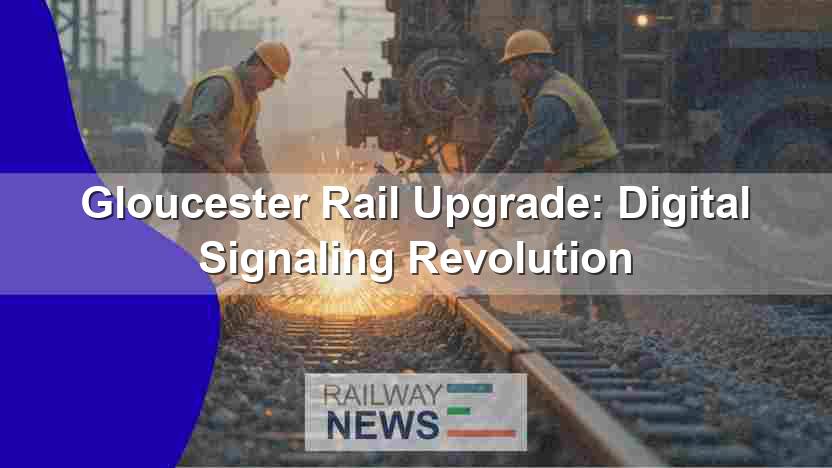
This article explores the modernization of railway signaling systems, focusing on a significant project in Gloucester, England. The replacement of outdated infrastructure with cutting-edge digital technology highlights the ongoing efforts to improve safety, efficiency, and passenger experience within the UK rail network. This modernization is not an isolated incident, but rather a part of a broader initiative to upgrade aging systems across the country and leverage technological advancements to create a more robust and resilient railway system. The implications extend beyond the immediate benefits to Gloucester, providing a case study for future upgrades elsewhere, and showcasing the collaborative efforts between Network Rail, private contractors, and government initiatives to revitalize the national rail infrastructure. We will examine the specific technologies involved, the logistical challenges of such a large-scale project, and the broader context of ongoing railway modernization programs in the UK.
The Gloucester Signalling Upgrade: A Case Study in Modernization
Network Rail, the owner and infrastructure manager of most of the United Kingdom’s railway network, has awarded a contract to Hitachi Rail and Linbrooke to design and implement a new digital signaling system for the Gloucester area. This project replaces an aging switch panel system installed in the 1960s with a modern Signalling Command and Control (SCC) system. The outdated system presents significant challenges in terms of maintenance, reliability, and responsiveness to incidents. The new digital SCC system offers a detailed real-time overview of the network, enabling automated updates for operators and significantly improving response times to disruptions. This upgrade is expected to reduce passenger delays and enhance overall rail traffic management.
Technological Advancements and Operational Efficiency
The core of the Gloucester upgrade lies in the transition from an antiquated electromechanical system to a sophisticated digital SCC system. This shift provides several key advantages. Firstly, the digital system offers enhanced monitoring capabilities, providing a centralized view of the entire network’s operational status. This centralized control system facilitates proactive identification and resolution of potential issues, minimizing delays and enhancing safety. Secondly, the new system allows for remote fault diagnosis, eliminating the need for time-consuming and potentially hazardous trackside inspections. This remote diagnostics capability significantly improves operational efficiency and reduces maintenance costs. Finally, the integration of Wayside Standard Platform (WSP HS+) technology further enhances the system’s capabilities by consolidating security, diagnostics, and signalling functions into a single control station.
Collaboration and Project Management
The success of this large-scale infrastructure project hinges on effective collaboration between Network Rail, Hitachi Rail, and Linbrooke. The project leverages the existing Wales and Western Region Major Signalling Renewals Framework, streamlining procurement and project management processes. This framework facilitates the efficient deployment of resources and expertise, ensuring adherence to deadlines and budgetary constraints. The collaborative approach emphasizes shared responsibility and a unified vision for the modernization of the rail network. This model underscores the importance of effective partnerships between public and private sector entities in delivering complex infrastructure projects.
Broader Context: National Rail Modernization Initiatives
The Gloucester project is not isolated; it’s part of a larger national effort to modernize the UK’s railway infrastructure. The government’s “Restoring Your Railway” program exemplifies this broader commitment, aiming to bring back into service previously closed lines and stations. The recent reopening of the Dartmoor Line after a nearly 50-year hiatus highlights the tangible impact of such programs. Additionally, initiatives like the adoption of fiber optic acoustic sensing technology, as demonstrated by Thales’ contract with Network Rail, showcase the ongoing exploration and implementation of innovative technologies to enhance safety and efficiency across the network.
Conclusions
The Gloucester digital signalling upgrade represents a significant step forward in the modernization of the UK’s rail network. The replacement of a 1960s-era electromechanical system with a state-of-the-art digital SCC system, incorporating the Wayside Standard Platform (WSP HS+), promises substantial improvements in safety, efficiency, and passenger experience. The project showcases the benefits of collaborative partnerships between Network Rail, private sector contractors like Hitachi Rail and Linbrooke, and the broader commitment of the UK government to invest in railway infrastructure improvements. The transition to digital signaling isn’t merely a technological upgrade; it’s a strategic investment in a more robust, reliable, and responsive rail system. The remote diagnostics capabilities reduce maintenance costs and improve operational efficiency while simultaneously enhancing safety by enabling quicker responses to potential issues. The success of this initiative, coupled with the broader “Restoring Your Railway” program and ongoing exploration of innovative technologies like fiber optic acoustic sensing, points towards a future where the UK’s rail network is safer, more efficient, and better equipped to meet the demands of a growing population and evolving transportation needs. The Gloucester project serves as a compelling example of how strategic investment and collaborative innovation can contribute to a modernized and improved rail infrastructure, benefiting both passengers and railway personnel.

Railway infrastructure, rolling stock and transport technologies specialist focused on global rail industry developments, high-speed rail systems, signaling technologies and freight transportation. Covering railway investments, public transport modernization, rail operations and international mobility projects across Europe, Asia and North America.
RELATED POSTS

October 8, 2026 1:15 pm
Alstom secured a €1bn contract to build 13 automated trains,...

October 1, 2026 7:09 am
United States regulators confirmed a September 30 deadline for the...

October 8, 2026 12:18 pm
Siemens Mobility signed an agreement with VinSpeed to supply 350...

October 4, 2026 5:14 pm
Alstom secured a CA$4.7 billion order from VIA Rail Canada...

October 5, 2026 6:12 pm
AECOM and Jacobs secured a contract in September 2026 to...

October 4, 2026 11:08 pm
Sound Transit confirmed the September 30 opening of Seattle Pinehurst...