
Global Transport Crisis: Software Glitch Causes Chaos
A widespread IT failure in Crowdstrike security software caused a global transportation crisis, disrupting air travel, railways, and ports worldwide due to critical system vulnerabilities in modern infrastructure.
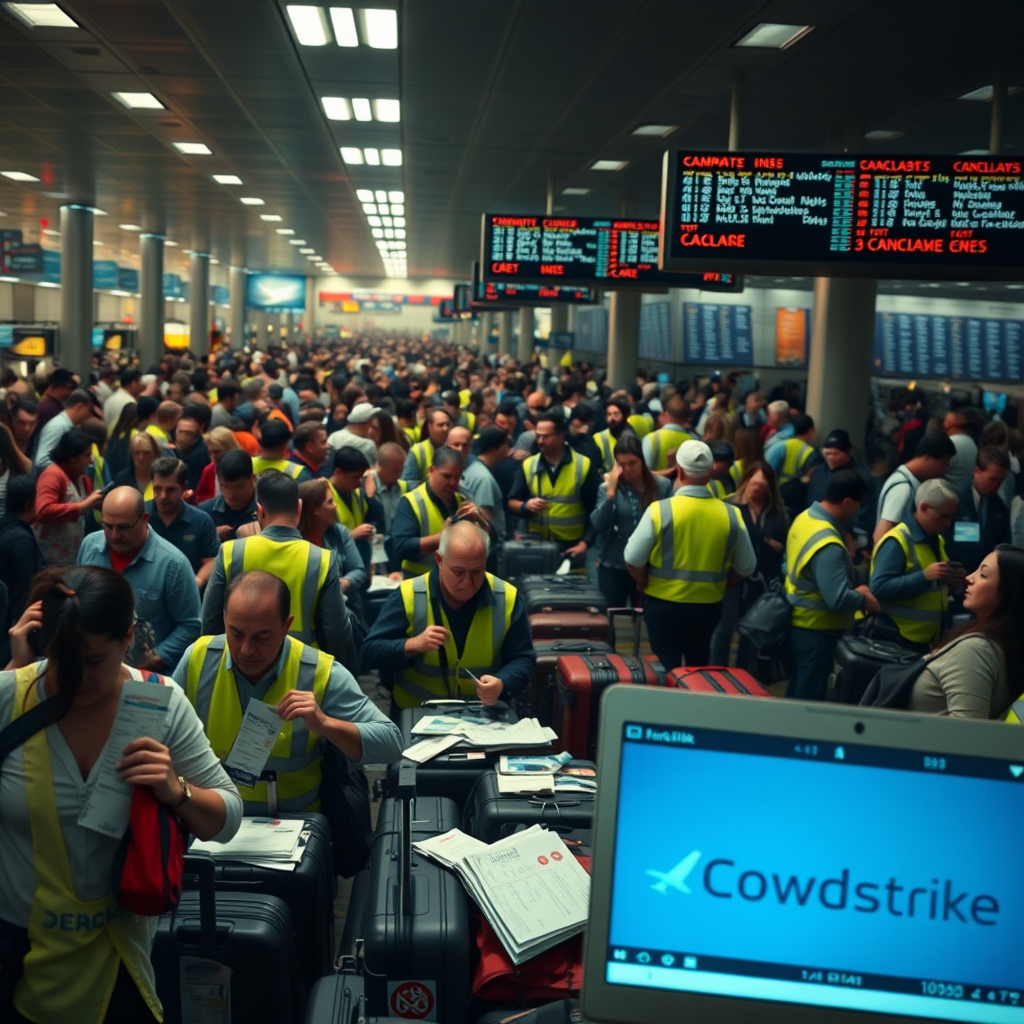
The global transportation network, a complex tapestry of interconnected systems, experienced unprecedented disruption due to a widespread IT failure on July 19, 2024. This failure, stemming from a faulty software update in Crowdstrike security software (a widely used security “plug-in” often integrated with Microsoft operating systems), sent shockwaves through airports, airlines, railway networks, and ports worldwide. The incident highlighted the critical dependence of modern transportation on sophisticated IT infrastructure and the significant vulnerabilities inherent in such centralized systems. This article will delve into the causes, impact, and implications of this global outage, examining its effects on various transport modes and offering insights into potential mitigation strategies.
The Scope of the Disruption
The impact of the Crowdstrike software failure transcended geographical boundaries, affecting numerous sectors and resulting in widespread chaos. Air travel was particularly hard hit, with major international airlines such as United, American, and KLM grounding flights due to the incapacitation of crucial passenger information and ticketing systems. Many airports reverted to manual check-in processes, utilizing handwritten boarding passes and luggage tags. The disruption extended to Asia, with significant delays and cancellations reported at major hubs including Delhi International Airport, and across numerous Asian carriers (SpiceJet, IndiGo, Air India, Air India Express, JetStar, Jeju Air, Qantas, HK Express, and Spring Japan). While some airports in Australia and New Zealand experienced delays, flight operations continued. European airports, including Amsterdam Schiphol and London Gatwick, reported significant disruptions.
The rail industry also faced substantial challenges. Several train operating companies in the UK (Avanti West Coast, c2c, Gatwick Express, Great Northern, Great Western Railway, Hull Trains, London Northwestern Railway, Lumo, Merseyrail, Northern, Southern, Thameslink, Transport for Wales, TransPennine Express, and West Midlands Railway) reported problems primarily affecting ticket vending machines at stations, forcing passengers to purchase tickets on board trains. While the Belgian national railway operator (SNCB) reported no impact on train traffic itself, online ticketing was disrupted.
Ports experienced varying degrees of disruption. While the maritime sector appeared less affected due to a lower reliance on digitalized processes, Baltic Hub port in Gdansk, Poland, faced significant operational challenges due to the IT outage, temporarily halting rail and road access.
Beyond these core transport modes, the ripple effects extended to passenger ferry services, impacting onboard payment systems. P&O Ferries, for example, temporarily accepted only cash payments.
Analyzing the Root Cause
The primary cause of the widespread disruption was a faulty update to the Crowdstrike security software. This update, intended for Windows hosts, contained a critical defect that cascaded through systems reliant on the software. The fact that the update impacted systems globally underscores the reliance on a single vendor for critical security infrastructure across many different organizations. The incident wasn’t a cybersecurity attack; instead, it was a software error that crippled various organizations’ operations.
The lack of detailed pre-deployment testing of the update further exacerbated the situation. While the vendor, Crowdstrike, swiftly identified and deployed a fix, the consequences of the failure were far-reaching. The situation is a stark reminder of the need for rigorous testing procedures and robust disaster recovery planning across industries.
The Impact on Intelligent Transportation Systems (ITS)
The incident underscored the vulnerability of Intelligent Transportation Systems (ITS). ITS heavily rely on interconnected digital networks for efficient operations, including real-time data exchange, traffic management, and passenger information systems. The widespread disruption revealed the potential for a single point of failure to significantly impact the entire system. This highlighted the need for more resilient and redundant systems capable of withstanding such disruptions.
The reliance on cloud-based systems also played a significant role. While cloud computing offers scalability and cost-effectiveness, it also introduces dependency on third-party providers. This incident emphasizes the necessity for organizations to diversify their IT infrastructure and develop robust contingency plans to minimize the impact of single-vendor failures.
Lessons Learned and Future Mitigation Strategies
The global transportation IT failure serves as a critical wake-up call for the industry. It highlights the urgent need for improved risk management strategies and more resilient infrastructure. Several key areas require immediate attention:
- Redundancy and diversification: Implementing redundant systems and diversifying IT vendors can significantly reduce the impact of future failures. Organizations should strive to avoid over-reliance on single suppliers.
- Robust testing and validation: Stringent pre-deployment testing and validation of software updates are crucial to prevent widespread outages. Simulating real-world scenarios can identify potential issues before they impact operational systems.
- Improved disaster recovery planning: Effective disaster recovery plans, including fallback systems and procedures, are essential to maintain operations during IT disruptions. Regularly testing these plans ensures their effectiveness in real-world scenarios.
- Enhanced cybersecurity: While this incident was not a cyberattack, it underscored the importance of robust cybersecurity measures to protect against both malicious attacks and accidental failures.
- Collaboration and information sharing: Enhanced communication and coordination among transport operators and IT providers can facilitate quicker response times and minimize the overall impact during major incidents.
Conclusion
The July 19, 2024, global transportation IT failure, triggered by a faulty Crowdstrike software update, demonstrated the profound interconnectedness and fragility of modern transportation systems. The widespread disruption across air, rail, and port operations highlighted the significant vulnerabilities inherent in reliance on centralized IT infrastructure and a single-vendor dependency. The incident resulted in widespread flight cancellations, significant rail service disruptions, and port closures, causing significant economic losses and inconvenience to millions of passengers. While the immediate cause was a software defect, the underlying issue was a lack of adequate redundancy, rigorous testing, and detailed disaster recovery planning. This event underscores the critical need for increased investment in robust, resilient IT infrastructure, diversified vendor relationships, thorough software testing protocols, and well-rehearsed emergency response plans. The future of efficient and reliable transportation hinges on learning from this experience and adopting proactive measures to prevent similar crises from occurring. The focus should shift towards building more adaptable and secure systems that can withstand future disruptions and minimize the impact on the global transport network. This will involve not only technological upgrades but also a collaborative approach between IT providers, transport operators, and regulatory bodies, ensuring the collective development of resilient and dependable systems that safeguard against future widespread failures. The emphasis must be on building a more fault-tolerant, diversified, and resilient global transportation system prepared to handle unexpected disruptions.

Railway infrastructure, rolling stock and transport technologies specialist focused on global rail industry developments, high-speed rail systems, signaling technologies and freight transportation. Covering railway investments, public transport modernization, rail operations and international mobility projects across Europe, Asia and North America.
RELATED POSTS

October 8, 2026 1:15 pm
Alstom secured a €1bn contract to build 13 automated trains,...

October 1, 2026 7:09 am
United States regulators confirmed a September 30 deadline for the...

October 8, 2026 12:18 pm
Siemens Mobility signed an agreement with VinSpeed to supply 350...

October 4, 2026 5:14 pm
Alstom secured a CA$4.7 billion order from VIA Rail Canada...

October 5, 2026 6:12 pm
AECOM and Jacobs secured a contract in September 2026 to...

October 4, 2026 11:08 pm
Sound Transit confirmed the September 30 opening of Seattle Pinehurst...