
Germany’s €49 Ticket: A Sustainable Transport Success
Deutschlandticket (€49 monthly fare): Germany’s digital, subscription-based public transit pass. Launched May 2023, covering all regional & local transport.
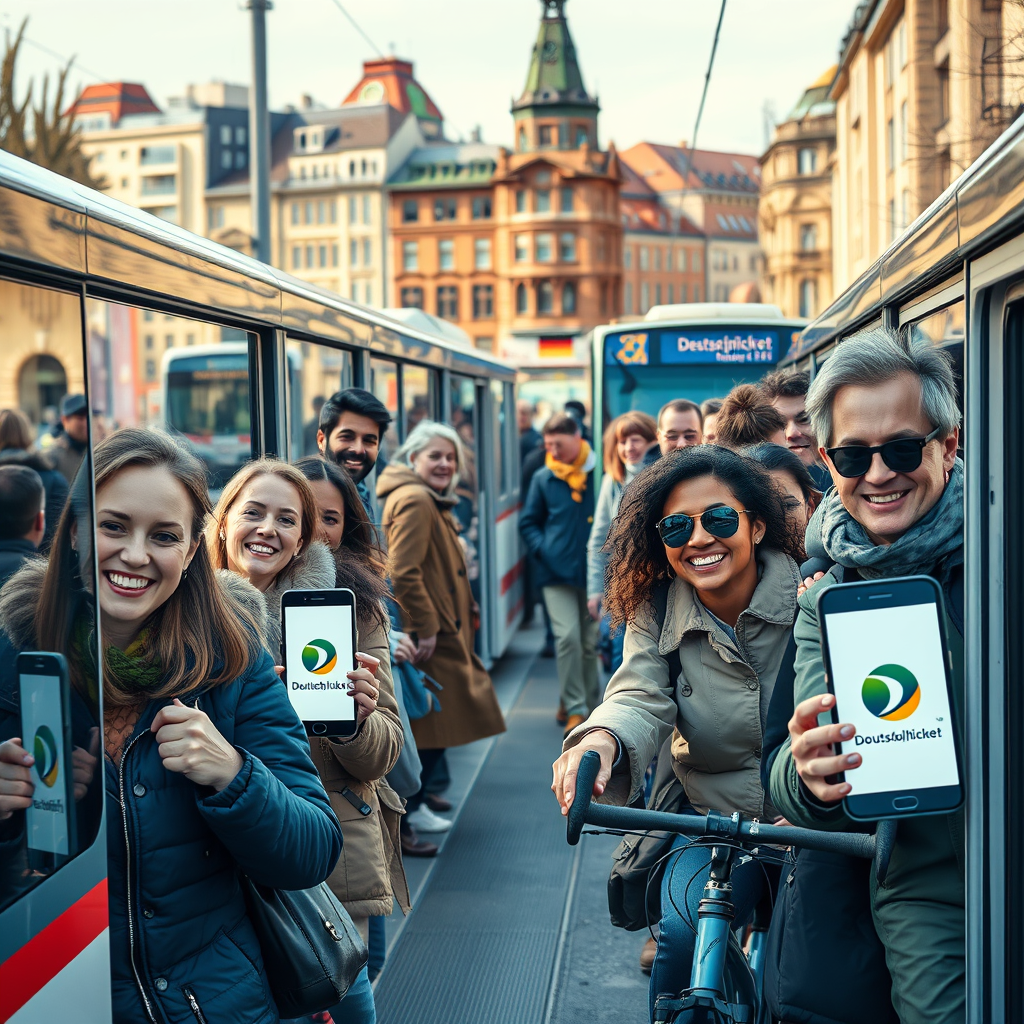
This article examines the first year of the Deutschlandticket (Germany Ticket), a nationwide €49 ($52.44) per month unlimited public transportation pass in Germany. Its introduction represents a significant policy shift toward sustainable transportation, aiming to reduce reliance on private vehicles and promote environmentally friendly travel. The success of the Deutschlandticket, measured by ridership increases and positive social and economic impacts, serves as a compelling case study for other nations considering similar initiatives. We will analyze the program’s achievements, challenges, and potential for future expansion, highlighting the crucial role of digitalization and governmental collaboration in achieving widespread adoption and sustainable long-term viability. This deep dive will explore the multifaceted aspects of the Deutschlandticket, from its impact on passenger numbers and transportation patterns to its implications for the future of public transportation in Germany and beyond. The analysis will delve into both the operational aspects and broader societal consequences of such a detailed and ambitious scheme.
Impressive Ridership and Revenue Growth
The Deutschlandticket, launched in May 2023, has demonstrably increased ridership on Deutsche Bahn (DB) regional trains by 28%. This significant surge is a direct consequence of the pass’s affordability and accessibility. The 11.2 million individuals currently utilizing the ticket underscore its widespread appeal. The initial financial commitment, with regional governments covering 50% of the costs through 2024, has proven successful enough that funding is secured until at least 2036, highlighting a strong commitment from both federal and regional levels of government. This long-term financial commitment, rarely seen in transportation projects, fosters a climate of stability, allowing for effective planning and gradual infrastructure improvements.
Shifting Travel Patterns and Economic Impact
Beyond the sheer increase in ridership, the Deutschlandticket has altered travel patterns. Initially, commuting to work and school accounted for half of all journeys. However, the data indicates a growing use of the ticket for leisure activities and weekend trips, signifying a shift in public transport utilization from primarily essential travel to recreational and social uses. This expansion reflects the ticket’s ability to make public transport a convenient and cost-effective option for a wider range of activities. The economic benefits extend beyond the increased revenue for DB; the reduction in private vehicle usage offers environmental benefits while simultaneously easing traffic congestion in urban areas. Additionally, the increased accessibility provided by the Deutschlandticket has a positive social impact, reducing inequality in access to transportation for all socioeconomic groups.
The Crucial Role of Digitalization
The digitalization of ticketing has been a key factor in the Deutschlandticket’s success. Over half of all tickets are now used on mobile phones, and two-thirds are purchased digitally. This reflects the growing preference for convenient, contactless methods of payment and the importance of a user-friendly digital platform. DB reports a doubling of digitally sold tickets since the launch of the Deutschlandticket, showcasing the synergistic relationship between the pass and digital infrastructure improvements. The seamless integration of digital ticketing facilitates efficient fare collection and strengthens the potential for future data-driven improvements to service and infrastructure planning, enabling informed decision-making based on real-time passenger flow and travel patterns.
Expanding the Program and International Implications
Further expansion of the Deutschlandticket is actively being considered, including options for companies to purchase passes for employees. This strategic move could further boost ridership and provide substantial benefits to both businesses and the environment. The success of the Deutschlandticket has generated significant international interest, inspiring similar initiatives in other countries, such as France, demonstrating its potential for global adoption and replication in other national contexts with appropriate adaptations. The concept of affordable and easily accessible public transit is resonating across the globe as a sustainable alternative to reliance on individual car ownership.
Conclusion
The first year of the Deutschlandticket has been remarkably successful, exceeding expectations in terms of ridership, revenue generation, and positive social and environmental impacts. The substantial increase in passenger numbers, the shift towards leisure travel, and the prominent role of digitalization demonstrate the effectiveness of a well-designed, affordable, and accessible public transport system. The long-term financial commitment from both federal and regional governments underscores the program’s strategic importance in achieving sustainability goals and reducing traffic congestion. The potential for further expansion, including corporate partnerships, signifies a strong commitment towards a more sustainable future. The international interest generated by the Deutschlandticket highlights its role as a model for other countries to adopt similar initiatives, demonstrating the potential for significant positive changes in transportation across the globe. Further research into areas such as improved network integration, data-driven service optimization, and expanding accessibility to underserved communities can build on the achievements of the Deutschlandticket and optimize its overall effectiveness. The Deutschlandticket serves as a powerful testament to the potential of well-designed and politically supported public transportation systems in creating a more sustainable and equitable future for all.

Transport and railway industry editor covering global rail infrastructure, sustainable mobility, urban transit systems and next-generation railway technologies with a focus on accessible and industry-focused reporting.
RELATED POSTS

October 8, 2026 1:15 pm
Alstom secured a €1bn contract to build 13 automated trains,...

October 1, 2026 7:09 am
United States regulators confirmed a September 30 deadline for the...

October 8, 2026 12:18 pm
Siemens Mobility signed an agreement with VinSpeed to supply 350...

October 4, 2026 5:14 pm
Alstom secured a CA$4.7 billion order from VIA Rail Canada...

October 5, 2026 6:12 pm
AECOM and Jacobs secured a contract in September 2026 to...
October 6, 2026 12:16 am
FTA awarded $233 million in grants to eight US rail...