
Germany’s €49 Ticket: A Sustainable Future?
The recent agreement securing funding for the Deutschlandticket in Germany, offering unlimited public transport access for €49 annually, demonstrates political will but faces industry concerns over the lack of a permanent financial solution, highlighting ongoing debates about the long-term sustainability and broader implications for Germany’s transportation sector.
Introduction
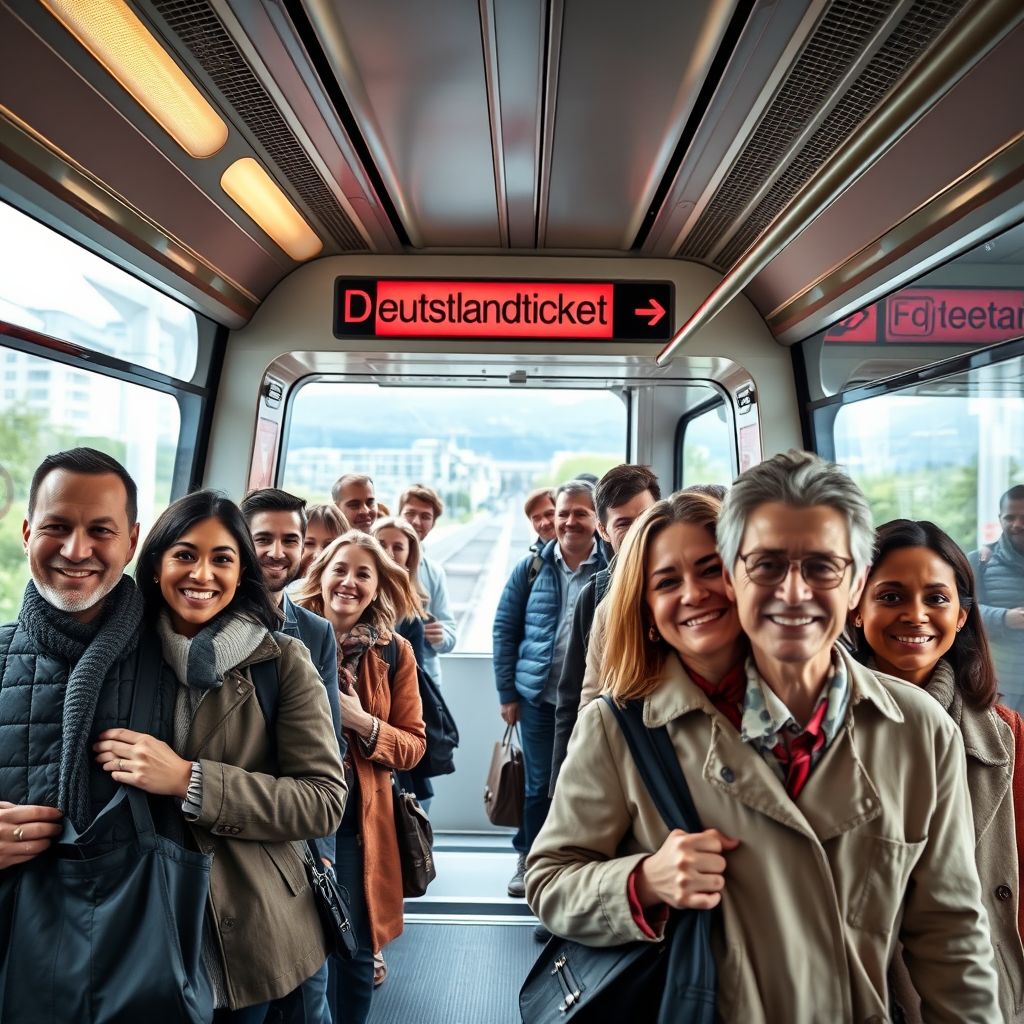
This article analyzes the recent agreement securing funding for the Deutschlandticket (€49 unlimited public transport ticket) in Germany for 2024, examining its implications for the country’s transportation sector. The Deutschlandticket, launched in May 2023, offers unlimited travel on regional and local transport within Germany for a significantly reduced price. While initially lauded as a success, concerns arose regarding the long-term financial sustainability of the scheme. This article explores the complexities surrounding the Deutschlandticket’s funding, exploring the short-term solution secured for 2024 and the ongoing debate surrounding its permanent financing and the broader implications for the future of public transport in Germany and beyond. The discussion also includes critical assessments from industry stakeholders, highlighting their concerns and proposals for ensuring the ticket’s long-term viability and contribution to Germany’s transportation transition. We will examine the challenges and opportunities presented by the Deutschlandticket, providing insights into its potential impact on ridership, environmental sustainability, and the overall efficiency of Germany’s public transportation network.
Short-Term Funding Solution and Political Agreement
The German federal and state governments reached an agreement to extend funding for the Deutschlandticket in 2024. This agreement involves utilizing approximately €700 million in unspent funds from 2023, combined with an additional €1.5 billion each from the federal and state governments. While Transport Minister Volker Wissing celebrated this as a demonstration of the federal government’s commitment, the agreement is temporary, only securing the ticket’s future for one year. This temporary solution highlights the inherent challenges in balancing the political will to support affordable public transport with the financial realities of compensating regional transport companies (operators of buses and trains) for potential revenue shortfalls caused by the low ticket price.
Industry Concerns and Calls for Long-Term Solutions
Despite the secured funding, significant concerns remain within the German transportation industry. The German Pro-Rail Alliance (a pro-rail advocacy group) and the German Association of Transport Companies (VDV) (Verband Deutscher Verkehrsunternehmen) have voiced their apprehension about the lack of a long-term financing plan. They argue that a temporary solution is insufficient to foster the necessary investments in infrastructure and service improvements required to make the Deutschlandticket a truly sustainable and effective initiative. They emphasize the need for a detailed, long-term strategy that includes not only sustained funding but also the implementation of a nationwide social ticket and substantial investments in expanding public transport services across the country. The VDV highlights the financial forecasts showing the current funding will likely be insufficient for the entire year 2024, adding pressure for a clearer and more substantial long-term financial commitment.
The Deutschlandticket as a Catalyst for Transport Transition
The Deutschlandticket is widely viewed as a pivotal step towards encouraging increased public transport usage. Its affordability makes it an attractive alternative to private car travel, promoting both environmental sustainability and financial benefits for commuters. The potential success of the Deutschlandticket could influence other European countries to adopt similar schemes. France, for example, has already indicated plans to introduce a comparable system. However, the long-term success hinges on addressing the financial challenges and ensuring adequate funding to support infrastructure upgrades, enhanced service quality, and increased capacity – crucial elements for managing the expected surge in ridership.
Conclusions
The secured funding for the Deutschlandticket in 2024 represents a crucial but temporary step in Germany’s commitment to affordable and sustainable public transport. While the short-term solution provides a respite, the ongoing debate surrounding its long-term financing underscores the complexities involved in implementing such large-scale initiatives. The concerns voiced by industry stakeholders, including the German Pro-Rail Alliance and the VDV, are critical in highlighting the necessity for a detailed and sustainable financial framework. This framework needs to go beyond short-term fixes and encompass long-term funding mechanisms, investments in infrastructure, and the potential integration of a nationwide social ticket. The success of the Deutschlandticket ultimately depends not only on its affordability but also on the reliability, efficiency, and overall quality of public transport services. The model’s potential to influence other European nations in adopting similar initiatives is significant, yet its long-term viability hinges on addressing the financial and operational challenges identified. A failure to address these concerns risks jeopardizing the Deutschlandticket’s potential to transform Germany’s transportation landscape and may set a negative precedent for similar initiatives in other countries. The coming year will be critical in determining whether Germany can successfully transition from a temporary fix to a long-term commitment to affordable and sustainable public transport, ensuring the Deutschlandticket becomes a truly transformative initiative.

Railway infrastructure, rolling stock and transport technologies specialist focused on global rail industry developments, high-speed rail systems, signaling technologies and freight transportation. Covering railway investments, public transport modernization, rail operations and international mobility projects across Europe, Asia and North America.
RELATED POSTS

October 8, 2026 1:15 pm
Alstom secured a €1bn contract to build 13 automated trains,...

October 1, 2026 7:09 am
United States regulators confirmed a September 30 deadline for the...

October 8, 2026 12:18 pm
Siemens Mobility signed an agreement with VinSpeed to supply 350...

October 4, 2026 5:14 pm
Alstom secured a CA$4.7 billion order from VIA Rail Canada...

October 5, 2026 6:12 pm
AECOM and Jacobs secured a contract in September 2026 to...
October 6, 2026 12:16 am
FTA awarded $233 million in grants to eight US rail...