
Philippines: Shaping Rail Efficiency with GCash Tickets
GCash ticketing revolutionizes Philippine railways, boosting commuter convenience and efficiency.
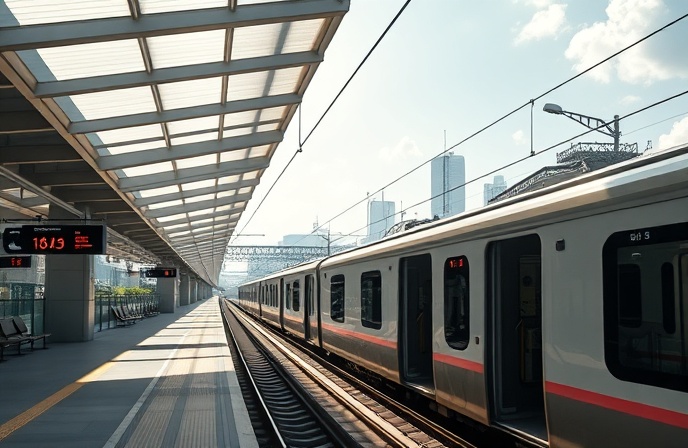
GCash Ticketing Revolutionizes Commuting: A Game Changer for Philippine Railways
The Philippines’ railway sector is undergoing a technological transformation, with digital payment solutions taking center stage. Public transportation is now embracing digital payments for fare collection, enhancing convenience and efficiency for commuters. This shift is particularly noticeable with the integration of GCash ticketing Philippines, a mobile wallet service revolutionizing how Filipinos access and pay for their train journeys. This article explores the specifics of how GCash is being used, its benefits, and the impact on the railway industry. Who is involved? Passengers, railway operators, and GCash. What is happening? Digital ticketing is being rolled out. When is this happening? Currently. Where? Across various railway lines in the Philippines. Why? To improve convenience and efficiency. How? Through GCash mobile payments. The primary focus of this article is to assess the impact of GCash ticketing Philippines on railway operations and its future potential within the Philippine rail network.
Streamlining Fare Collection: The GCash Advantage
Traditional fare collection methods in the Philippines, such as paper tickets and card-based systems, often lead to long queues and inefficiencies. The introduction of GCash has addressed these issues directly. Commuters can now purchase train tickets or reload their stored value cards (SVC) directly through their GCash accounts using their smartphones. This eliminates the need to queue at ticket counters or reload kiosks, drastically reducing boarding times and improving overall passenger flow. The convenience extends beyond simple ticket purchase. Users can easily monitor their transaction history and manage their fare payments through the GCash app. For railway operators, this digital transformation means lower operational costs, reduced fraud, and more readily accessible data for ridership analysis. The system also provides a more secure and hygienic alternative to handling cash, an added benefit, especially in the post-pandemic era. The seamless integration makes GCash ticketing Philippines a leading example of how financial technology is enhancing public transport infrastructure.
Implementation Across the Philippine Railway Network
The adoption of GCash for ticketing is not confined to a single railway line. The Light Rail Transit (LRT) lines, particularly LRT-1 and LRT-2, have fully embraced the GCash payment system, as have select stations of the Metro Rail Transit (MRT-3). This widespread integration demonstrates the willingness of the Philippines’ railway operators to modernize and improve commuter experience. The rollout process involves a collaboration between the railway operators, GCash, and often, third-party technology providers responsible for integrating GCash with the existing ticketing infrastructure. Challenges encountered include ensuring adequate network connectivity, addressing technical glitches, and providing support to users unfamiliar with the technology. Despite these hurdles, the benefits of increased efficiency and user satisfaction generally outweigh the implementation complexities, as the ease of use has driven user adoption. The ongoing expansion to other railway lines and modes of public transport is a testament to the success of the GCash ticketing Philippines initiative.
Benefits for Commuters: Enhanced Convenience and Accessibility
The primary beneficiaries of the GCash ticketing Philippines system are the commuters themselves. The ease of use and convenience offered by GCash have transformed the daily commute for millions of Filipinos. The mobile app allows passengers to avoid long queues, reducing the time spent at stations. The accessibility of the system is also a significant advantage. Since GCash can be used by anyone with a smartphone and a registered mobile number, it is especially helpful to those who lack access to traditional banking services. Moreover, GCash often provides promotions and discounts on railway fares, further incentivizing its use. The system also contributes to a safer and more secure travel experience by reducing the need to handle cash. The adoption of GCash has allowed individuals to quickly purchase their tickets on the go, eliminating the need for cash or card-based systems at all ticket booths, further optimizing the overall travel experience.
Conclusion
The integration of GCash ticketing Philippines into the Philippine railway system represents a significant leap forward in the country’s transportation infrastructure. The adoption of digital payment systems, such as GCash, has improved efficiency, reduced operational costs, and increased convenience for commuters. The seamless integration of these digital payment platforms has significantly transformed the overall experience of using railway services. The future looks bright for further digital integration across the Philippine railway network. This includes potential expansions to other forms of public transport, such as buses and jeepneys, further enhancing the efficiency of urban mobility. The ongoing focus on improving user experience and expanding the reach of GCash is expected to solidify its position as a leading digital payment solution for the Philippine railway industry. This evolution will likely lead to a more streamlined, convenient, and sustainable public transport system for years to come, creating a smarter transport infrastructure.

Railway infrastructure, rolling stock and transport technologies specialist focused on global rail industry developments, high-speed rail systems, signaling technologies and freight transportation. Covering railway investments, public transport modernization, rail operations and international mobility projects across Europe, Asia and North America.
RELATED POSTS

October 1, 2026 7:09 am
United States regulators confirmed a September 30 deadline for the...

October 1, 2026 12:13 am
Illinois approved $1.5 billion annually for the Northern Illinois Transit...

October 1, 2026 6:10 am
Amtrak approved a System Expansion Committee on July 30 to...
October 1, 2026 4:10 am
DART launched two public ridership dashboards in March 2026 to...

October 1, 2026 3:12 am
Greenbrier confirmed Brian Comstock as new president and CEO effective...
October 1, 2026 5:14 am
Siemens confirmed delivery of the first new S200 train to...