
GB Railfreight’s Cambridgeshire Expansion: Strategic Rail Investment
Strategic investments by GB Railfreight in Cambridgeshire facilities demonstrate a forward-thinking commitment to modernizing operations, enhancing employee resources, and optimizing logistics networks, showcasing adaptability and sustainability within the rail freight sector.
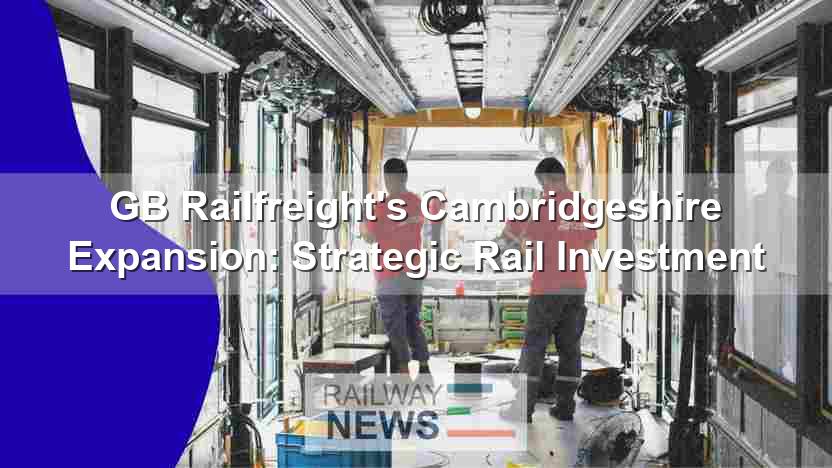
This article examines the strategic investments made by GB Railfreight (GBRf) in its Cambridgeshire facilities, highlighting the company’s commitment to infrastructure development and operational efficiency within the context of a challenging economic climate. GBRf’s actions demonstrate a forward-thinking approach to rail operations, emphasizing the importance of modernizing facilities, enhancing employee resources, and optimizing logistics networks to meet current and future demands. The analysis will explore the specific investments in Peterborough and March, emphasizing the benefits of these upgrades for both GBRf and the wider rail industry, including environmental considerations. We will also briefly touch upon GBRf’s innovative approach to parcel delivery, showcasing its adaptability and commitment to exploring new market opportunities within the rail freight sector. This case study ultimately serves as an example of how strategic investment in rail infrastructure can contribute to enhanced operational efficiency, improved employee well-being, and sustainable growth within the industry.
Modernization of Peterborough Facilities
GBRf’s significant £3 million investment in its Maskew Avenue site in Peterborough represents a substantial commitment to upgrading its operational capabilities. This investment encompassed the construction of a state-of-the-art control room, crucial for efficient network management and real-time monitoring of train operations. The addition of three classrooms underscores GBRf’s dedication to employee training and development, a key factor in maintaining a highly skilled workforce. Additionally, the inclusion of a new boardroom and improved staff welfare facilities reflects a commitment to providing a conducive and supportive work environment, enhancing employee morale and productivity. These investments collectively contribute to a more modern and efficient operating base for GBRf in Peterborough.
Expansion and Optimization at the March Up Yard
The development of the March Up Yard site showcases GBRf’s strategic approach to optimizing its logistical network. The creation of new intermodal sidings, undertaken in collaboration with Balfour Beatty and Network Rail (the UK’s national railway infrastructure owner), significantly enhances the yard’s capacity and operational flexibility. This upgrade, coupled with existing wagon maintenance and stabling facilities, has proven particularly beneficial for Sibelco rail services, significantly increasing the efficiency of their operations. The improved depot now acts as an efficient hub for critical wagon maintenance, reducing downtime and improving overall service reliability. This investment strategy underscores GBRf’s commitment to providing reliable and efficient freight transportation services to its clients.
Environmental and Economic Benefits
The investments in both Peterborough and March yield significant environmental benefits. The optimized logistical network at March, in particular, leads to reduced fuel consumption and lower emissions due to more efficient train movements and reduced idling time. This commitment to sustainability aligns with broader industry trends and contributes to GBRf’s environmental responsibility. Economically, the improvements foster efficiency, enabling GBRf to offer competitive pricing and reliable services to its clients. This strengthens its position in the market and supports broader economic growth within the rail freight sector. The investment in employee training and improved facilities also contributes to a more skilled and motivated workforce, thereby improving operational efficiency and productivity.
Exploring New Market Opportunities: Parcel Delivery Trials
GBRf’s trial of using repurposed Class 319 EMUs (Electric Multiple Units) for express parcel delivery demonstrates a proactive approach to exploring new market opportunities. This initiative showcases the versatility of rail freight and its potential to adapt to evolving market demands. The successful trial to London Euston Station highlights the viability of using existing rail infrastructure for fast and efficient parcel delivery, opening up potential avenues for future expansion within this sector. This strategic diversification expands GBRf’s revenue streams and further secures its position within the wider transportation industry.
Conclusion
GBRf’s investments in its Cambridgeshire facilities exemplify a forward-thinking approach to rail infrastructure development and operational efficiency. The significant financial commitment to modernizing its Peterborough base, including the construction of a new control room, classrooms, and improved staff facilities, highlights a focus on both operational excellence and employee well-being. The expansion and optimization of the March Up Yard, in collaboration with key industry partners, demonstrates a strategic approach to enhancing logistical capabilities and improving service reliability for clients such as Sibelco. These upgrades collectively lead to enhanced operational efficiency, reduced environmental impact through lower fuel consumption and emissions, and improved overall service quality. The successful trial of using repurposed commuter trains for express parcel delivery further showcases GBRf’s adaptability and commitment to exploring new market opportunities. These investments demonstrate GBRf’s confidence in the future of the British economy and its commitment to long-term sustainable growth within the rail freight sector. This case study serves as a strong example of how strategic investment in rail infrastructure can lead to tangible benefits for the company, its employees, its clients, and the environment, ensuring a more efficient and sustainable future for the rail industry. The actions taken by GBRf should be seen as a model for other rail operators looking to modernize and strengthen their operations within an increasingly competitive and environmentally conscious marketplace.

Railway infrastructure, rolling stock and transport technologies specialist focused on global rail industry developments, high-speed rail systems, signaling technologies and freight transportation. Covering railway investments, public transport modernization, rail operations and international mobility projects across Europe, Asia and North America.
RELATED POSTS

October 8, 2026 1:15 pm
Alstom secured a €1bn contract to build 13 automated trains,...

October 1, 2026 7:09 am
United States regulators confirmed a September 30 deadline for the...

October 8, 2026 12:18 pm
Siemens Mobility signed an agreement with VinSpeed to supply 350...

October 4, 2026 5:14 pm
Alstom secured a CA$4.7 billion order from VIA Rail Canada...

October 5, 2026 6:12 pm
AECOM and Jacobs secured a contract in September 2026 to...

October 4, 2026 11:08 pm
Sound Transit confirmed the September 30 opening of Seattle Pinehurst...