
FirstGroup’s £500M Rail Deal: Expansion & Sustainability
This article discusses the £500 million deal between FirstGroup, Hitachi Rail, and Angel Trains for the lease and maintenance of fourteen new Class 80X five-car electric multiple units (EMUs), highlighting significant investments in sustainable rail technology and operational capacity expansion.
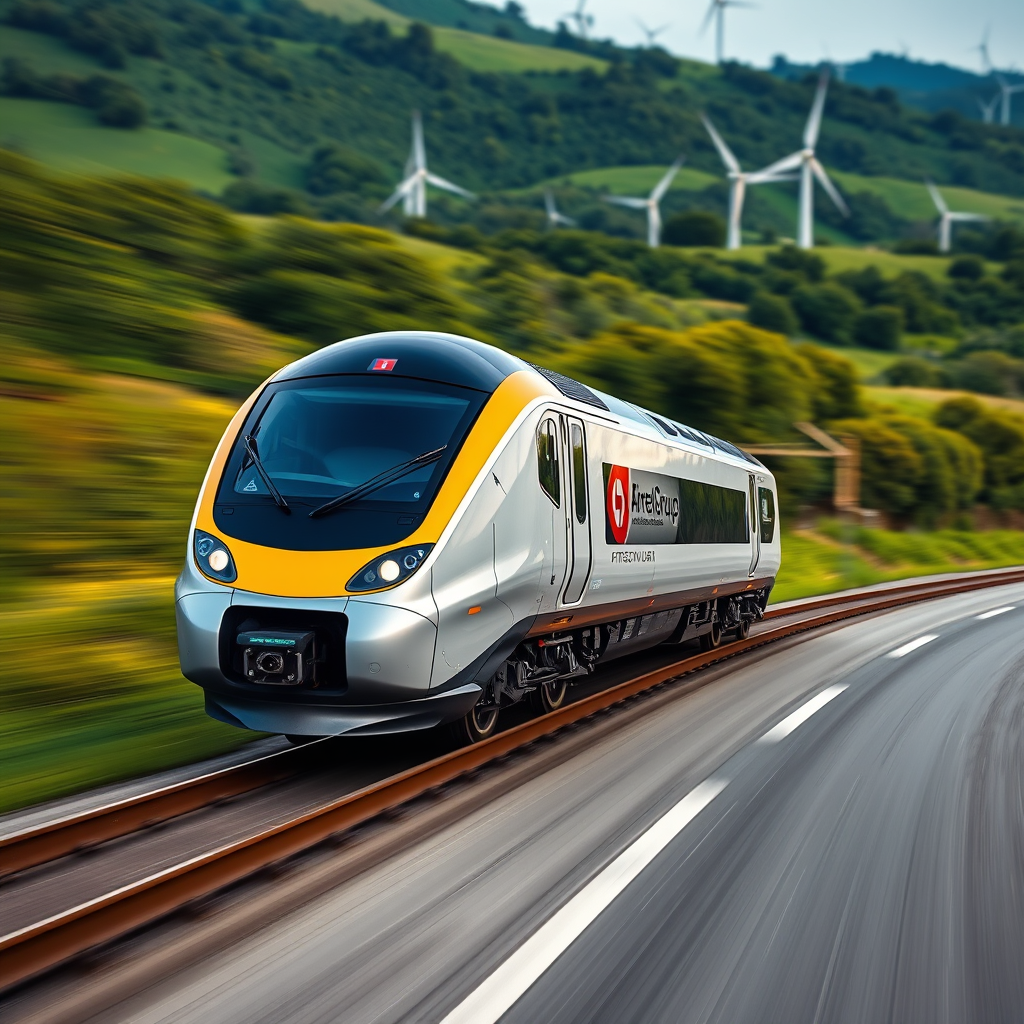
This article explores the significant £500 million ($636.8 million) agreement between FirstGroup, Hitachi Rail, and Angel Trains for the lease and maintenance of fourteen new Class 80X five-car electric multiple units (EMUs). This deal represents a substantial investment in the UK rail network, bolstering FirstGroup’s expansion strategy and highlighting the increasing importance of sustainable and efficient rail transportation. The agreement not only involves the procurement and maintenance of new rolling stock but also touches upon broader themes, such as the strategic growth of open-access rail operations, the role of private sector investment in public transportation, and the ongoing push towards environmentally friendly rail technologies. We will examine the key aspects of this agreement, its implications for FirstGroup’s operational capacity, the technological advancements represented by the new trains, and the wider context of sustainable rail development within the UK.
FirstGroup’s Expansion Strategy and Open Access Operations
FirstGroup’s investment in the new Class 80X trains directly supports its ambitious expansion plans. The acquisition of these EMUs is crucial for enhancing capacity on existing routes such as the East Coast Main Line (serving Hull Trains and Lumo services) and establishing a new service connecting London and Carmarthen. This expansion aligns with FirstGroup’s strategic objective of growing its open-access portfolio. Open-access operators, unlike those operating under franchise agreements, are privately funded and compete directly for passengers on designated routes. This business model allows for greater flexibility and responsiveness to market demands, but also requires significant private investment to secure rolling stock and operational infrastructure. The success of this model hinges on securing profitable routes and securing necessary regulatory approvals from the Office of Rail and Road (ORR).
The Role of Hitachi Rail and Angel Trains
Hitachi Rail’s involvement encompasses the manufacturing of the Class 80X trains at its facility in County Durham, demonstrating a commitment to domestic manufacturing and job creation. The company will also provide ten years of detailed maintenance services for the leased fleet. This long-term maintenance agreement ensures operational reliability and reduces the risk associated with managing a large fleet of modern EMUs. Angel Trains, a rolling stock leasing company, provides the financial mechanism for the deal, demonstrating the increasing role of private finance in the rail sector. Their participation facilitates the acquisition of new rolling stock without requiring FirstGroup to make a significant upfront capital investment. This model allows for greater financial flexibility and enables FirstGroup to direct resources towards other aspects of its operations.
Technological Advancements and Environmental Sustainability
The Class 80X trains represent a commitment to modern rolling stock technology and increased sustainability. While specific details about the trains’ technological specifications are limited, it’s reasonable to assume they incorporate modern features designed to enhance passenger comfort, safety, and energy efficiency. The initiative ties into broader goals of reducing carbon emissions in the transportation sector. This alignment is further underscored by the recent successful intercity battery trial conducted by Angel Trains, Hitachi Rail, and TransPennine Express, showcasing the potential for significant fuel savings and reduced environmental impact. These trials demonstrate the viability of hybrid and potentially all-electric train technologies for future railway operations.
Future Prospects and Potential Expansion
The agreement includes an option for FirstGroup to lease up to thirteen additional Class 80X trains, contingent on the approval of its open-access applications by the ORR. This provision indicates potential for further expansion and underscores the company’s confidence in the growth prospects of the open-access rail market. Potential expansion plans include new routes connecting London to Rochdale and London to Paignton, and the extension of existing services. This expansion could significantly increase FirstGroup’s reach and market share, contributing to improved connectivity in underserved areas of the UK and potentially reducing reliance on more carbon-intensive modes of transportation. The success of these expansions depends on various factors, including securing regulatory approvals, securing sufficient passenger demand, and maintaining the operational efficiency of their enlarged fleet.
Conclusions
The £500 million agreement between FirstGroup, Hitachi Rail, and Angel Trains marks a significant development in the UK rail sector. It showcases the increasing role of private investment in expanding rail capacity and improving connectivity, particularly within the context of open-access operation. The deal not only secures new, modern rolling stock for FirstGroup, but it also highlights the importance of strategic partnerships in delivering efficient and sustainable rail solutions. The involvement of Hitachi Rail underscores the commitment to domestic manufacturing and the creation of skilled jobs within the UK rail industry. Angel Trains’ participation signifies the growing importance of innovative financing models in the rail sector, enabling operators to acquire new assets without significant upfront capital expenditure. The potential for future expansion, predicated on the success of pending open-access applications, underscores the ambition and growth potential of FirstGroup in a dynamic and competitive rail market. Additionally, the emphasis on environmental sustainability, reflected in the recent successful battery trial, underscores a wider industry commitment towards reducing carbon emissions and creating a more environmentally friendly transportation system. This multifaceted agreement represents a key step towards a more modernized, efficient, and sustainable future for UK rail travel.

Railway infrastructure, rolling stock and transport technologies specialist focused on global rail industry developments, high-speed rail systems, signaling technologies and freight transportation. Covering railway investments, public transport modernization, rail operations and international mobility projects across Europe, Asia and North America.
RELATED POSTS

October 8, 2026 1:15 pm
Alstom secured a €1bn contract to build 13 automated trains,...

October 1, 2026 7:09 am
United States regulators confirmed a September 30 deadline for the...

October 8, 2026 12:18 pm
Siemens Mobility signed an agreement with VinSpeed to supply 350...

October 4, 2026 5:14 pm
Alstom secured a CA$4.7 billion order from VIA Rail Canada...

October 5, 2026 6:12 pm
AECOM and Jacobs secured a contract in September 2026 to...

October 4, 2026 11:08 pm
Sound Transit confirmed the September 30 opening of Seattle Pinehurst...