
Europe’s EN 16584-3: New Optical & Friction Rules for PRM Rail
EN 16584-3 sets vital optical and friction standards for railway vehicles. It guarantees enhanced accessibility and safety for all Persons with Reduced Mobility.
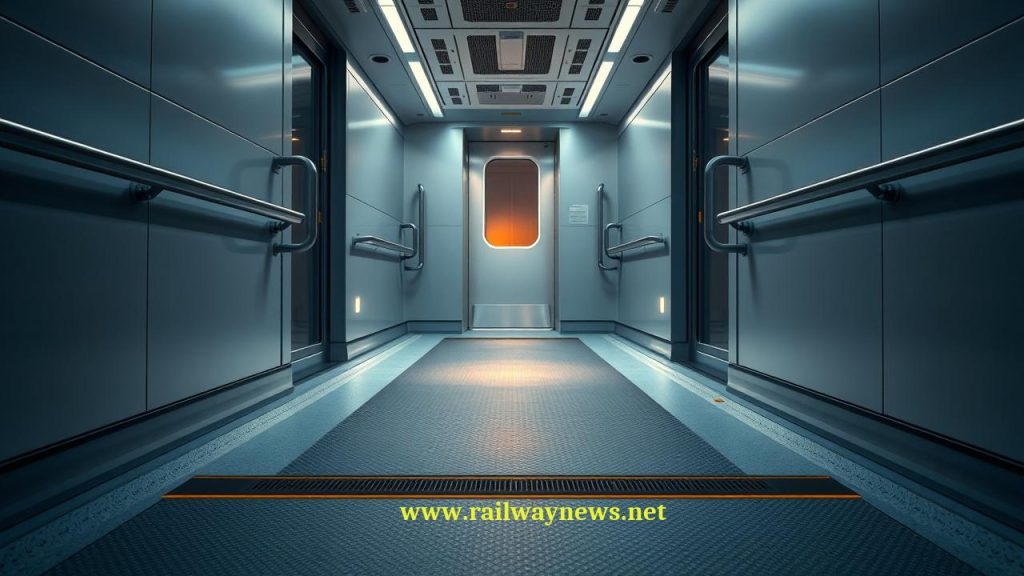
EN 16584-3: A Technical Guide to Optical and Friction Requirements for PRM Accessibility in Railways
EN 16584-3 is a critical European standard within the railway industry that specifies the optical and friction characteristics of components used in rolling stock. Its primary objective is to ensure the safety, accessibility, and usability of railway vehicles for Persons with Reduced Mobility (PRM), including those with visual or mobility impairments.
This standard forms a key part of the EN 16584 series, “Railway applications – Design for PRM use,” and works in conjunction with broader regulations like the Technical Specifications for Interoperability for Persons with Reduced Mobility (TSI-PRM). By defining quantifiable metrics for visual contrast and slip resistance, it provides manufacturers and operators with a clear framework for creating compliant and genuinely accessible environments.
Part 1: Optical Characteristics for Enhanced Visibility
The optical requirements in EN 16584-3 are designed to aid passengers with visual impairments by ensuring that key elements within a vehicle can be easily identified and distinguished from their surroundings. The core principle is the effective use of visual contrast.
Key Concept: Light Reflectance Value (LRV)
The foundation of optical compliance is the Light Reflectance Value (LRV). LRV is a measure of the percentage of visible light that a surface reflects when illuminated. It is measured on a scale from 0 (perfect black) to 100 (perfect white). This value is crucial because the difference in LRV between two adjacent surfaces determines their visual contrast.
The Importance of Visual Contrast
Adequate visual contrast is essential for identifying obstacles, pathways, and functional components. EN 16584-3 mandates minimum contrast levels for various elements to ensure they stand out. The contrast is typically calculated using the Bowman-Sapolinski formula, which considers the LRV of the feature and its background.
Key areas where visual contrast is mandated include:
- Step Edges: A contrasting band on the edge of each step (nosing) is required to clearly define its location, reducing the risk of trips and falls.
- Handrails and Grab Poles: These must contrast with the wall panels or surrounding surfaces so they can be easily located by passengers needing support.
- Door Controls and Emergency Devices: Buttons, handles, and communication devices must be visually distinct from their mounting plates and the surrounding area.
- Obstacles: Any potential obstacles in circulation routes must be clearly marked with contrasting colours.
Beyond contrast, the standard also addresses issues like glare. Surfaces should have a matt or non-reflective finish to prevent glare, which can disorient passengers and obscure important information, especially for those with light sensitivity.
Part 2: Friction Characteristics for Slip Resistance
The second core component of EN 16584-3 focuses on friction characteristics, specifically the slip resistance of floor surfaces. This is paramount for preventing slips, trips, and falls, which are significant safety risks in a dynamic environment like a moving train, particularly in wet or dirty conditions.
Measurement of Slip Resistance
The standard specifies methods for testing and classifying the slip resistance of flooring materials. The most common method referenced in railway standards is the Pendulum Test, which results in a Pendulum Test Value (PTV). The test simulates the friction of a shod foot slipping on a surface and provides a quantifiable score.
- A higher PTV indicates a greater level of slip resistance.
- Testing is often required under both dry and wet conditions to ensure safety is maintained when water is tracked into the vehicle from platforms.
Another method sometimes used is the Ramp Test, which determines an “R-Value” (e.g., R9, R10, R11). This involves a test person walking on an inclined, lubricated surface to find the angle at which they begin to slip.
Application Areas and Requirements
EN 16584-3 specifies minimum slip resistance requirements for different zones within a railway vehicle, acknowledging that risk levels vary:
- Entrance Vestibules: High-risk areas due to direct exposure to weather from open doors. These areas require the highest level of slip resistance.
- Passenger Saloons and Aisles: Standard flooring areas that must provide secure footing during normal vehicle movement.
- Universal Access Toilets (UAT): Floors in toilet compartments must be slip-resistant, especially considering the potential for wet surfaces.
- Ramps and Steps: These surfaces have an inherent risk due to changes in level and require a high degree of slip resistance.
Comparison Table: Key Requirements of EN 16584-3
The following table summarizes the core principles and application areas defined within the standard, illustrating the synergy between optical and friction properties.
| Characteristic | Key Metric / Method | Typical Application Area | Primary Goal for PRM Use |
|---|---|---|---|
| Visual Contrast | Light Reflectance Value (LRV) difference | Step edges, handrails, door controls, signage | Ensures key features are easily identifiable for visually impaired passengers. |
| Slip Resistance (Flooring) | Pendulum Test Value (PTV) or R-Value | Entrance vestibules, aisles, toilet compartments | Prevents slips and falls, especially in wet conditions or during vehicle motion. |
| Step Edge Definition | Combination of high visual contrast and high slip resistance | Interior and exterior steps | Provides both a visual and physical cue to prevent trips and ensure secure footing. |
| Surface Finish | Non-glare, matt finish | Wall panels, floors, table tops | Reduces visual disorientation caused by reflections and glare. |
Conclusion: A Foundation for Inclusive Railway Design
EN 16584-3 is more than a technical checklist; it is a foundational standard for creating an inclusive and safe rail transport system. By mandating clear, measurable criteria for optical and friction properties, it ensures that accessibility is engineered into railway vehicles from the design stage. Compliance with this standard not only meets regulatory obligations under the TSI-PRM but also demonstrates a commitment to providing a safe, comfortable, and dignified travel experience for all passengers, regardless of their physical abilities.

Railway infrastructure, rolling stock and transport technologies specialist focused on global rail industry developments, high-speed rail systems, signaling technologies and freight transportation. Covering railway investments, public transport modernization, rail operations and international mobility projects across Europe, Asia and North America.