
Europe Sets New Standard: Accessible Rail Steps For All
EN 16586-1 standardizes railway step design, ensuring safe, accessible travel for Persons with Reduced Mobility. It details dimensions, slip resistance, and handrails for inclusive journeys.
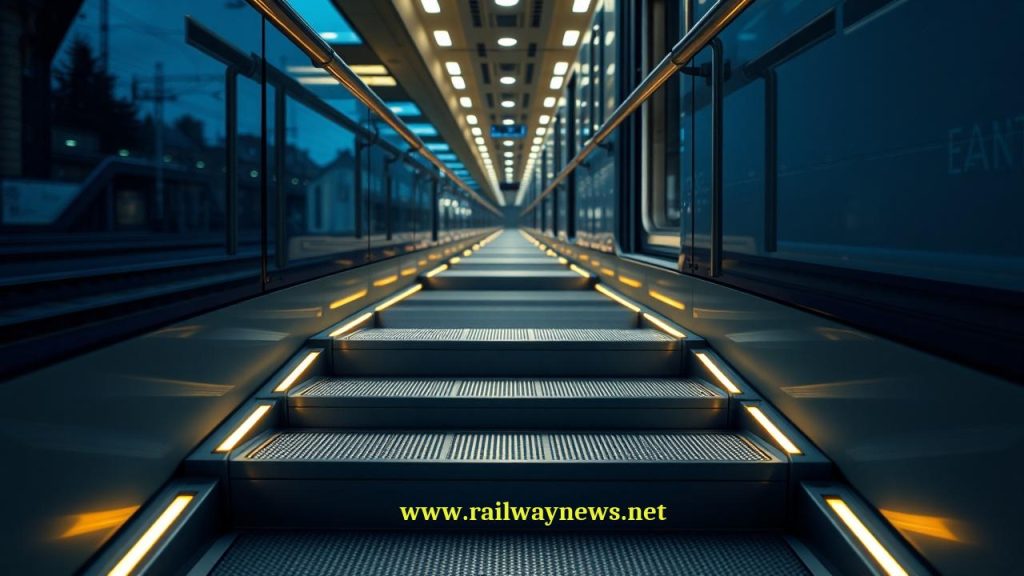
Understanding EN 16586-1: Designing Accessible Steps for Railway Rolling Stock
EN 16586-1 is a key European Standard within the railway industry, specifically addressing the design requirements for access and egress steps on rolling stock to ensure accessibility for Persons with Reduced Mobility (PRM). This standard is the first part of a series dedicated to making railway travel more inclusive and safe for all passengers.
The primary objective of this standard is to define a uniform set of technical specifications for the geometry, surface characteristics, and associated features of steps. By adhering to these guidelines, manufacturers and operators can ensure their vehicles comply with accessibility regulations and provide a safer, more comfortable experience for passengers who may have difficulty with mobility, including the elderly, people with disabilities, and those with temporary injuries.
Scope and Key Objectives of the Standard
The scope of EN 16586-1 is precisely defined to cover the design of external access steps, both fixed and movable (retractable), for all types of passenger rolling stock. It applies to new vehicle builds and can also be a guiding document for major refurbishments. The standard aims to achieve several critical objectives:
- Standardization: To create a consistent and predictable environment for passengers across different types of trains and networks.
- Safety: To minimize the risk of slips, trips, and falls during boarding and alighting by specifying dimensions, slip-resistant surfaces, and visibility requirements.
- Accessibility: To ensure that the physical effort required to use the steps is minimized, making them usable by a wider range of individuals.
- Interoperability: To support the wider European goal of a seamless and interoperable railway network by aligning with the Technical Specifications for Interoperability (TSI).
Core Technical Requirements of EN 16586-1
The standard explores highly specific technical details to eliminate ambiguity in design. The main requirements are categorized into several key areas.
Step Dimensions and Geometry
The geometry of the steps is the most critical aspect for ensuring safety and ease of use. The standard mandates specific dimensional constraints:
- Riser Height: The vertical height of each step (the riser) must be consistent and is typically limited to a maximum of 200 mm. This prevents passengers from having to lift their legs to an uncomfortable or unsafe height.
- Tread Depth: The horizontal depth of the step (the tread) must have a minimum depth, generally 240 mm, to provide sufficient space for a passenger’s foot to be placed securely.
- Step Width: The usable width of the steps must be adequate to allow passengers to pass through without constriction, often linked to the clear width of the doorway.
- Consistency: All steps within a single flight must have uniform riser heights and tread depths to create a predictable rhythm for the user, which is crucial for preventing missteps.
Step Nosing and Surface Characteristics
The edge of the step, or “nosing,” is a high-risk area for accidents. EN 16586-1 places significant emphasis on its design:
- High-Contrast Nosing: Each step edge must feature a highly visible, continuous band of contrasting color. This band is typically required to be between 45 mm and 55 mm wide and must provide strong luminance contrast with the rest of the step tread. This helps passengers, especially those with visual impairments, to clearly identify the edge of each step.
- Slip Resistance: The entire surface of the step tread must be slip-resistant, both in wet and dry conditions. The standard references specific testing methods to classify the slip resistance of materials, ensuring a secure footing.
- No Overhangs: The design should avoid creating an “open riser” or a significant overhang at the nosing, as this can become a trip hazard, particularly for individuals who may drag their feet.
Handrails and Illumination
Support and visibility are essential complements to well-designed steps.
- Handrails: Continuous handrails must be provided on at least one, and preferably both, sides of the steps. The standard specifies the required height (typically between 850 mm and 1000 mm above the step nosing), diameter (for a secure grip), and clearance from adjacent surfaces. Handrails should also extend beyond the first and last step to provide support throughout the entire transition.
- Lighting: The step area must be adequately illuminated to ensure all features, especially the nosings, are clearly visible. The standard often specifies a minimum lighting level (e.g., 75 lux) measured on the tread surfaces.
Technical Parameter Comparison Table
The following table summarizes the key technical parameters specified in EN 16586-1, providing a quick reference for designers and engineers.
| Parameter | Typical Requirement | Rationale for Requirement |
|---|---|---|
| Maximum Riser Height | 200 mm | Reduces physical strain and makes climbing easier for passengers with limited knee or hip flexion. |
| Minimum Tread Depth | 240 mm | Ensures sufficient space for secure foot placement, reducing the risk of overstepping or slipping. |
| Step Nosing Contrast Band | 45 mm – 55 mm wide, high luminance contrast | Provides a clear visual cue for the edge of the step, critical for passengers with visual impairments. |
| Surface Slip Resistance | High friction coefficient (wet & dry) | Prevents slips and falls, which are common risks in all weather conditions during boarding and alighting. |
| Handrail Height | 850 mm – 1000 mm above step nosings | Provides stable support at a comfortable and ergonomic height for the average adult. |
| Minimum Illumination | 75 lux on tread surfaces | Guarantees that steps, obstacles, and handrails are clearly visible, especially during night-time or in tunnels. |
Relationship with the TSI PRM Directive
EN 16586-1 is a “harmonised standard,” which means it provides a direct technical solution to meet the legal requirements outlined in the European Union’s Technical Specifications for Interoperability for Persons with Reduced Mobility (TSI PRM). By designing rolling stock steps in full compliance with EN 16586-1, manufacturers can claim a “presumption of conformity” with the relevant essential requirements of the TSI PRM. This simplifies the certification process and ensures that the vehicle meets the accessibility mandates required for operation across the European rail network.
Conclusion: A Foundation for Inclusive Rail Travel
EN 16586-1 is more than just a technical document; it is a foundational element in the effort to create a truly inclusive and accessible railway system. By standardizing the most fundamental aspect of vehicle access—the steps—it ensures a baseline of safety, dignity, and independence for Persons with Reduced Mobility. Its detailed, engineering-focused approach provides clear, actionable guidance that helps build a railway network that is welcoming to every passenger, regardless of their physical ability.

Railway infrastructure, rolling stock and transport technologies specialist focused on global rail industry developments, high-speed rail systems, signaling technologies and freight transportation. Covering railway investments, public transport modernization, rail operations and international mobility projects across Europe, Asia and North America.