
EN 15877-2: Europe’s Standard For Safe, Interoperable Rail
Discover EN 15877-2, the vital standard for external markings on European railway vehicles. It ensures safety, interoperability, and operational efficiency across the network.
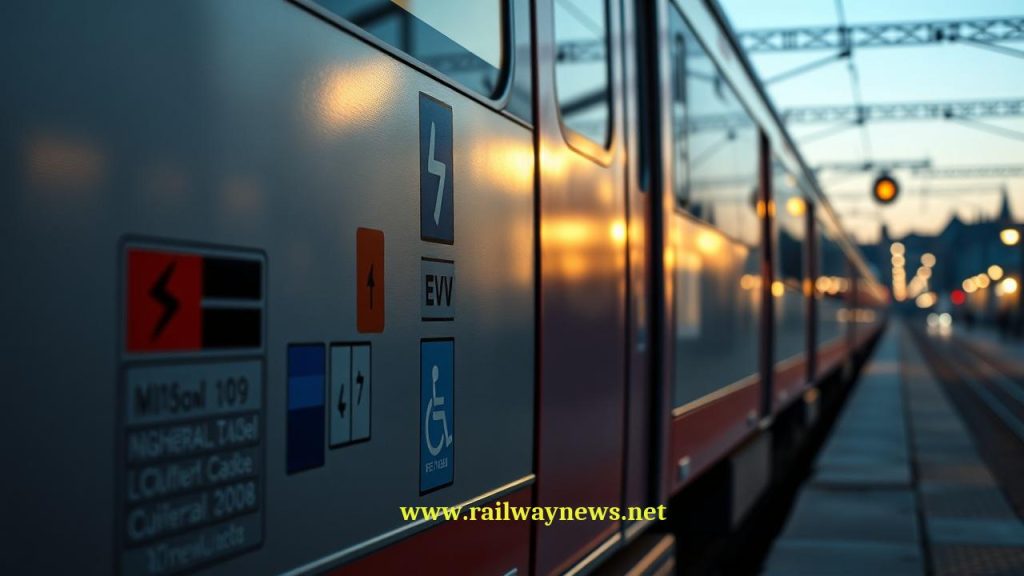
Understanding EN 15877-2: The Standard for External Markings on Railway Vehicles
EN 15877-2 is a key European standard that specifies the requirements for external markings on railway passenger vehicles, including coaches, motive power units, locomotives, and on-track machines. Its primary purpose is to ensure that essential information is displayed clearly and consistently, promoting safety, interoperability, and operational efficiency across the diverse European railway network.
This standard harmonizes the way vehicles are identified and how their operational and safety characteristics are communicated. By defining the content, location, and design of these markings, EN 15877-2 enables railway staff, emergency services, and maintenance crews to quickly and accurately understand a vehicle’s capabilities and potential hazards, regardless of its country of origin.
Scope and Core Objectives of EN 15877-2
The standard is fundamental to the seamless operation of railways within Europe. It aims to achieve several critical objectives by standardizing the visual information applied to the exterior of rolling stock.
- Enhancing Safety: Providing clear warnings about high voltage equipment, lifting points, and other potential dangers for staff and emergency responders.
- Ensuring Interoperability: Displaying a unique vehicle number (EVN) and key operational data allows vehicles from different operators and countries to run on shared networks without confusion.
- Facilitating Operations and Maintenance: Markings related to weight, length, braking systems, and maintenance dates provide crucial information for traffic management, shunting, and servicing activities.
- Improving Passenger Information: Clearly indicating features like accessibility, class of travel, and emergency exits enhances the passenger experience and safety.
Key Marking Categories Specified in the Standard
EN 15877-2 systematically organizes markings into several categories based on their function. Each category contains specific information that must be displayed according to the standard’s guidelines on placement and legibility.
1. Vehicle Identification Markings
The most critical identification marking is the European Vehicle Number (EVN). This unique 12-digit code is the primary identifier for any piece of rolling stock authorized to operate on the European network. It provides a wealth of information about the vehicle’s type, origin, and capabilities. Other markings in this category include the vehicle keeper marking (VKM) and the country code.
2. Operational Markings
These markings provide data essential for the daily operation and movement of the vehicle. They are used by train planners, drivers, and yard staff to assemble trains and manage traffic safely.
- Vehicle Weight: Indicates the tare (empty) weight and, where applicable, the laden weight.
- Vehicle Length: The length over buffers is crucial for calculating train length and platform compatibility.
- Maximum Speed: The certified maximum operational speed of the vehicle in km/h.
- Braking System Information: Includes the brake type (e.g., R, P, G, D) and the brake weight, which are vital for calculating a train’s overall braking performance.
3. Safety and Warning Markings
Safety markings are often pictograms designed for universal understanding, transcending language barriers. They alert personnel to potential hazards.
- High Voltage Warning: The standardized lightning bolt symbol indicates the presence of high-voltage equipment, such as a pantograph or main power lines.
- Lifting and Jacking Points: Markings that show the correct and safe locations for lifting the vehicle during maintenance or re-railing after an incident.
- Emergency Exits: Clearly marked emergency window hammers or door release mechanisms.
4. Passenger and Staff Information Markings
These markings are intended for passengers and on-board staff to provide comfort, accessibility, and orientation.
- Class Designation: Numbers ‘1’ or ‘2’ to indicate first or second class.
- Accessibility Symbols: The international symbol of access for wheelchairs, indicating accessible doors and spaces.
- Door Operation Instructions: Pictograms showing how to open or close passenger doors.
- No Smoking Symbols.
Technical Specifications: Placement, Dimensions, and Durability
EN 15877-2 does not only define what to mark but also how. The standard includes precise technical requirements to ensure that all markings are effective and consistent.
- Placement: Markings must be applied to specific locations on the vehicle’s body, typically on the solebar (the main longitudinal structural member at the bottom of the body) or on dedicated panels. The placement is designed to be easily visible from trackside or a platform.
- Legibility and Dimensions: The standard mandates minimum character heights for text and numbers to ensure they can be read from a safe distance. Fonts must be simple and clear.
- Durability: All external markings must be made from materials that can withstand the harsh railway environment, including exposure to UV light, extreme weather, and aggressive cleaning agents, without fading or peeling for a specified period.
Comparison of Key Marking Types
The following table summarizes some of the most common markings required by EN 15877-2, their purpose, and where they are typically found on a vehicle.
| Marking Type | Purpose / Information Conveyed | Typical Location on Vehicle |
|---|---|---|
| European Vehicle Number (EVN) | Unique 12-digit identifier for interoperability, registration, and tracking. | Both sides of the vehicle body, usually on the solebar or a dedicated panel. |
| Maximum Speed | Indicates the maximum certified operational speed in km/h. | On the vehicle body, often near the corners or driver’s cab. |
| High Voltage Warning Symbol | Alerts personnel to the danger of electric shock from overhead lines or on-board equipment. | Near pantographs, roof equipment, and electrical connection points. |
| Lifting / Jacking Points | Shows the structurally safe points for lifting the vehicle. | On the underframe or solebar at the designated points. |
| Brake Weight | Provides the vehicle’s contribution to the train’s total braking capability. | On a dedicated data panel on the vehicle body side. |
| Passenger Accessibility Symbol | Indicates wheelchair-accessible doors, seating areas, and toilets. | Next to the relevant external doors. |
Conclusion: The Role of EN 15877-2 in Modern Railways
EN 15877-2 is far more than an aesthetic guideline; it is a critical safety and operational standard that underpins the entire European railway system. By mandating a unified approach to external vehicle markings, it breaks down operational barriers, reduces the risk of human error, and ensures that vital information is available at a glance. For manufacturers, operators, and maintenance depots, adherence to this standard is essential for legal compliance, operational fluidity, and, most importantly, the safety of passengers, staff, and the public.
Frequently Asked Questions (FAQ) about EN 15877-2

Railway infrastructure, rolling stock and transport technologies specialist focused on global rail industry developments, high-speed rail systems, signaling technologies and freight transportation. Covering railway investments, public transport modernization, rail operations and international mobility projects across Europe, Asia and North America.