
EN 14813-1: Europe’s Standard for Driver Cab Comfort
EN 14813-1 standardises air conditioning comfort in railway driving cabs, guaranteeing driver safety, alertness, and a healthy working environment across all trains.
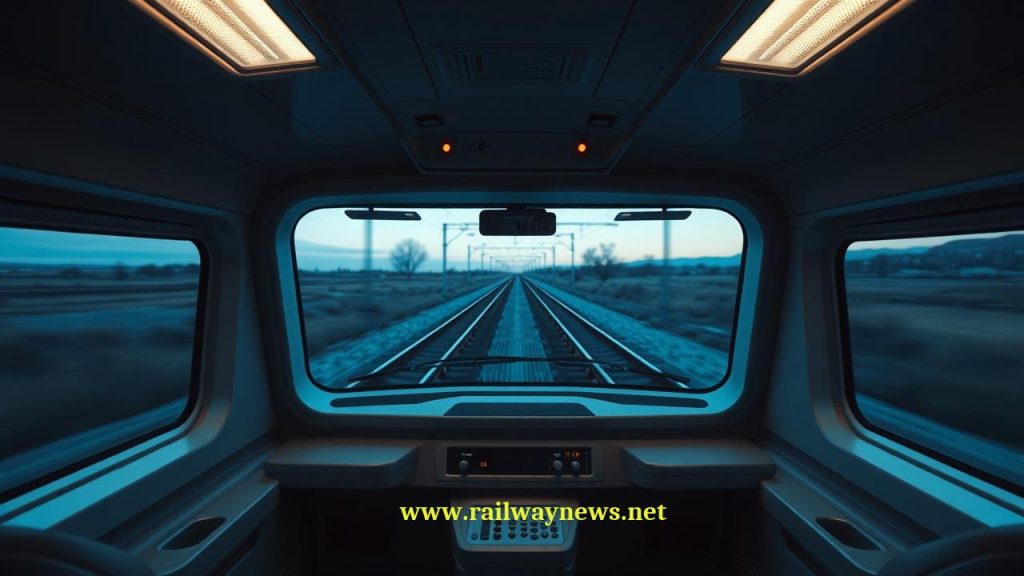
A Technical Guide to EN 14813-1: Air Conditioning Comfort Parameters in Railway Driving Cabs
EN 14813-1 is a European standard that specifies the comfort parameters for air conditioning and ventilation systems inside the driving cabs of railway vehicles. Its primary objective is to define a set of measurable conditions that ensure a safe, healthy, and comfortable working environment for train drivers, which is critical for maintaining alertness and operational safety.
This standard provides a technical framework for manufacturers, railway operators, and procurement agencies to design, specify, and test HVAC (Heating, Ventilation, and Air Conditioning) systems. By establishing uniform requirements, EN 14813-1 promotes interoperability and guarantees a consistent level of driver comfort across different types of rolling stock, from high-speed trains to urban trams.
Key Comfort Parameters Defined in EN 14813-1
The standard focuses on several core physical parameters that collectively determine the comfort level within the cab. These are not merely suggestions but are defined with specific target values and tolerance ranges that systems must achieve under defined operational conditions.
Thermal Comfort and Temperature
Thermal comfort is the most critical parameter. The standard outlines acceptable temperature ranges for both summer (cooling mode) and winter (heating mode) operations. These values are often categorised to allow for different performance levels depending on the vehicle’s intended use and the climatic zones it operates in. The temperature is measured at specific points around the driver’s workspace, typically at head, torso, and ankle levels, to ensure uniform distribution.
Air Velocity
The speed of air movement within the cab is crucial to avoid the sensation of a draft, which can cause significant discomfort and muscular issues for the driver. EN 14813-1 sets maximum permissible air velocities in the areas occupied by the driver. The goal is to ensure sufficient air circulation for freshness without creating an unpleasant draft. Typically, these values are very low, often below 0.25 m/s in the driver’s direct vicinity.
Relative Humidity
Humidity levels directly impact thermal sensation and respiratory comfort. Air that is too dry can cause irritation to the eyes, skin, and respiratory tract, while excessively humid air can feel oppressive and promote the growth of mould and bacteria. The standard defines an acceptable range for relative humidity (e.g., 30% to 70%) to maintain a healthy indoor environment.
Fresh Air Supply and Air Quality
To maintain good air quality and prevent the buildup of CO2 and other bio-effluents, a minimum rate of fresh air supply is mandated. EN 14813-1 specifies the volume of fresh air that must be introduced into the cab per hour, often on a per-person basis. This ensures that CO2 levels remain within acceptable limits, which is directly linked to driver alertness and cognitive performance.
Comfort Categories and Performance Levels
Recognising that not all railway vehicles have the same operational requirements, EN 14813-1 introduces different comfort categories. These categories (typically labelled A, B, and C) allow for flexibility in system design and performance, enabling a cost-effective solution tailored to the vehicle’s application.
- Category A: Represents the highest level of comfort, typically specified for mainline and high-speed trains where drivers spend long hours in the cab. It has the tightest tolerances for temperature and other parameters.
- Category B: A standard comfort level suitable for regional, suburban, and metro applications. It offers a good balance between performance and system complexity.
- Category C: A basic comfort level, often applied to shunting locomotives, trams, or vehicles used for shorter duties in less extreme climates.
Comparison of Temperature Targets by Category
The performance expectations for each category are most clearly demonstrated in the target internal temperatures, which must be maintained against a set of defined external conditions (e.g., -25°C to +40°C).
| Comfort Category | Target Internal Temperature (Summer/Cooling) | Target Internal Temperature (Winter/Heating) | Typical Application |
|---|---|---|---|
| Category A | 22°C – 26°C | 20°C – 24°C | High-Speed, Mainline, Long-Haul |
| Category B | 23°C – 27°C | 19°C – 23°C | Regional, Suburban, Metro |
| Category C | 24°C – 28°C | 18°C – 22°C | Trams, Shunting Locomotives |
Testing and Verification Procedures
Compliance with EN 14813-1 is not just a matter of design; it must be proven through rigorous testing. Manufacturers must perform type tests, typically conducted in a specialised climatic chamber. During these tests, the entire driving cab or a representative mock-up is subjected to simulated external environmental conditions, including extreme temperatures, solar radiation (solar load), and humidity. Sensors are placed throughout the cab at the locations specified in the standard to measure and record all comfort parameters, verifying that the HVAC system performs as required across the full range of operating conditions.
Conclusion: The Importance of a Standardised Approach
EN 14813-1 is far more than a technical document about air conditioning. It is a foundational standard for railway safety and human factors engineering. By creating a standardised, measurable, and verifiable definition of “comfort,” it ensures that train drivers are provided with an environment conducive to concentration and free from fatigue-inducing stressors. For the railway industry, it provides a clear and unambiguous benchmark for specifying, designing, and accepting rolling stock, ultimately contributing to a safer and more efficient rail network.

Railway infrastructure, rolling stock and transport technologies specialist focused on global rail industry developments, high-speed rail systems, signaling technologies and freight transportation. Covering railway investments, public transport modernization, rail operations and international mobility projects across Europe, Asia and North America.