
Electric Train Units: CAF’s Global Rail Innovations & Future Trends
Electric Train Units (ETUs) are revolutionizing rail travel, boosting efficiency and sustainability. Discover the key advantages and challenges of this exciting evolution!
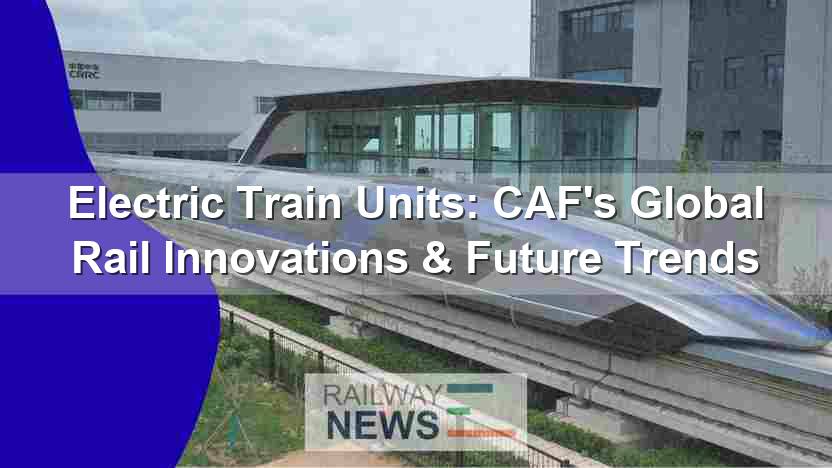
The railway industry is experiencing a significant transformation driven by the increasing adoption of electric train units (ETUs). This evolution, marked by advancements in technology, design, and operational efficiency, is reshaping urban and long-distance transportation systems worldwide. This article explores the key factors influencing this transition, examining the advantages of ETUs over traditional diesel-powered trains, the challenges faced during implementation, and the future prospects of this technology. From infrastructure upgrades to operational strategies, we will explore the multifaceted landscape of electric train operations. This analysis will highlight the critical role of ETUs in achieving sustainable transportation goals and addressing the growing urban mobility demands.
Technological Advancements in Electric Train Units
The development of electric traction has led to remarkable advancements in ETU technology. Significant improvements in energy efficiency, incorporating regenerative braking systems, are crucial for minimizing operational costs and maximizing the utilization of renewable energy sources. Additionally, sophisticated control systems and communication technologies enable precise speed control, optimized train scheduling, and enhanced safety protocols. The incorporation of advanced materials such as lightweight alloys and high-strength composites contribute to improved performance and reduced weight, leading to greater energy efficiency and reduced infrastructure stress. These technologies are instrumental in driving the shift towards sustainable and efficient railway operations.
Infrastructure Considerations for Electric Train Operation
Implementing ETU systems requires substantial investment in infrastructure. The electrification of railway lines, including overhead lines, third rails, or battery-powered systems (depending on the specific ETU type), is a complex undertaking, demanding careful planning and execution. The capacity of power substations and the overall grid infrastructure must be evaluated and reinforced to accommodate the increased power demands of electric train operations. The design and construction of ETU depots and maintenance facilities also play a critical role in ensuring efficient operation and minimizing downtime. Considerations must also be given to the integration with existing infrastructure, which can be challenging in older networks.
Operational Advantages and Challenges of Electric Train Units
ETUs offer several advantages over traditional diesel-powered trains. Reduced emissions and lower operating costs, stemming from optimized energy use, contribute to a more sustainable and environmentally friendly transportation solution. However, the transition also presents challenges. The initial investment for infrastructure upgrades can be substantial, and proper training for maintenance personnel is essential to ensure efficient operation. Moreover, the integration of ETUs into existing rail networks may require significant modifications and careful planning to prevent operational disruptions. Careful consideration of these factors, in conjunction with careful financial planning, is essential for successful ETU implementation.
The Future of Electric Train Units (ETUs) and the CAF Electric Train Units
The future of rail transportation is inextricably linked to the continued advancement of ETUs. The ongoing development of more sustainable and efficient power systems, combined with the use of advanced materials, will lead to further reductions in operational costs and emissions. As demand for reliable, high-speed, and environmentally friendly transportation continues to rise, ETUs, such as CAF electric train units, will play a pivotal role in shaping the urban and regional landscapes of the future. The integration of advanced technologies, like intelligent transportation systems (ITS), will enable further optimization of train schedules and routes, leading to improved efficiency and passenger experience. This enhanced capacity allows for greater passenger volume while minimizing transit times. Looking towards the future, we can expect to see a continued evolution in ETU technology, incorporating advancements in battery technology, renewable energy integration, and autonomous features, pushing the boundaries of sustainable rail transportation. The industry’s dedication to innovation will continue to drive the adoption of ETUs, transforming rail networks into modern, efficient, and sustainable transportation systems.
Conclusions
The transition to electric train units (ETUs) represents a significant step towards sustainable and efficient rail transportation. The integration of advanced technologies, coupled with infrastructure upgrades, presents a complex but rewarding path towards improved public transit. While challenges in implementation exist, the numerous benefits of ETUs, encompassing environmental considerations, operational efficiency, and cost-effectiveness, make them a crucial element of modern railway systems. The continuous development of electric traction, exemplified by advancements like regenerative braking and lightweight materials, demonstrates a commitment to optimizing energy usage. CAF electric train units represent a vanguard in this evolution, showcasing technological excellence and contributing to a greener future for rail travel. The integration of ETUs into existing infrastructure necessitates careful planning and execution to mitigate potential disruptions and ensure a seamless transition. Success depends on a detailed approach that considers both technological and financial factors, including appropriate training and maintenance procedures. Ultimately, the future of railway transportation relies heavily on the widespread adoption of ETUs, setting the stage for a cleaner, more sustainable, and more accessible mobility infrastructure for the global community. The future will undoubtedly witness the continued evolution of ETUs, further optimizing energy usage and incorporating innovative technologies, such as autonomous systems and renewable energy integration. The integration of ETUs into existing infrastructure requires careful planning and execution to avoid disruptions. The importance of well-trained personnel for maintenance and operation cannot be overstated. Finally, the continued investment in research and development of ETUs will be essential to meet the demands of a rapidly growing and increasingly mobile global population.
You might be interested in:
Last March 2019, we covered the Colombo LRT, a $270 million JICA project addressing Sri Lanka’s traffic issues with 15.7km of elevated track. Click here to read – Colombo LRT: JICA’s $270M Investment in Sri Lanka

Railway infrastructure, rolling stock and transport technologies specialist focused on global rail industry developments, high-speed rail systems, signaling technologies and freight transportation. Covering railway investments, public transport modernization, rail operations and international mobility projects across Europe, Asia and North America.
RELATED POSTS

October 8, 2026 1:15 pm
Alstom secured a €1bn contract to build 13 automated trains,...

October 1, 2026 7:09 am
United States regulators confirmed a September 30 deadline for the...

October 4, 2026 5:14 pm
Alstom secured a CA$4.7 billion order from VIA Rail Canada...

October 5, 2026 6:12 pm
AECOM and Jacobs secured a contract in September 2026 to...

October 1, 2026 12:13 am
Illinois approved $1.5 billion annually for the Northern Illinois Transit...

October 4, 2026 11:08 pm
Sound Transit confirmed the September 30 opening of Seattle Pinehurst...