
East West Rail: Inclusive Design for Accessible Rail Infrastructure
East West Rail prioritizes accessibility, conducting station visits with an advisory panel. Feedback will shape new station designs.
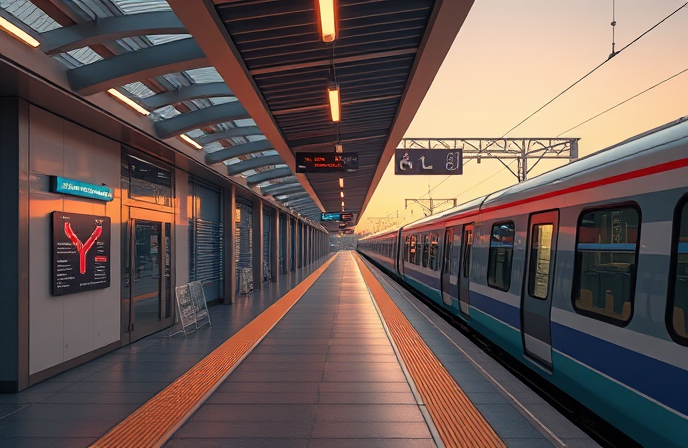
East West Rail Champions Inclusive Design with Accessibility Advisory Panel Station Visits
East West Rail (EWR) is taking a significant step towards ensuring its new railway infrastructure is fully accessible to all passengers. In a move highlighting its commitment to inclusive design, the project’s Accessibility Advisory Panel (AAP) recently conducted site visits to several stations, including Bedford, Bletchley, and Bicester Village. These visits, which took place recently, saw panel members, all of whom have various disabilities, offering firsthand feedback on aspects such as station layouts, signage, navigation, and overall passenger experience. The purpose of the visits was to identify both the challenges and successes in existing station designs and to incorporate these insights into the design process for the new EWR stations. This article will explore the implications of the AAP’s feedback and how EWR aims to set a “gold standard” for accessibility within the rail industry.
Assessing the Passenger Experience: A Focus on User Needs
The station visits, led by members of the AAP, provided critical, real-world insights into the accessibility challenges faced by disabled passengers. The panel’s evaluations focused on a range of key areas, including ease of navigation, clarity of signage, and the overall usability of station facilities. This process helps EWR’s design teams to develop a people-focused and inclusive approach. The focus was not only on identifying physical barriers, but also on understanding the impact of design choices on passengers with diverse needs, including those who are neurodivergent or older. The feedback received during these visits is considered integral to shaping the designs for future EWR stations, ensuring they are welcoming, intuitive, and capable of delivering a seamless travel experience for everyone.
Design Team Collaboration: Bridging the Gap Between Theory and Practice
Central to the success of this initiative was the direct involvement of EWR’s architectural and design teams, alongside representatives from MWJV (Mott MacDonald and WSP Joint Venture), the principal designer for EWR. The participation allowed designers to engage directly with the panel members and witness, firsthand, the challenges disabled passengers face at stations. The resulting collaboration aimed to translate the insights into practical solutions. This approach is pivotal in ensuring that future station designs are rooted in empathy and a genuine understanding of the lived experiences of disabled passengers. This also enables the design teams to put themselves in the shoes of disabled people and to develop more accessible solutions.
Setting a New Standard: Aspirations and Future Implications
EWR’s ambitions extend beyond mere compliance with accessibility standards. The project team is actively targeting to become the accessibility “gold standard.” Trevor Wilson, Building and Stations Architect at EWR Co, highlighted that many existing UK stations are not aligned with modern expectations or fit for purpose. The AAP’s work builds upon previous efforts to identify and prioritize the most pressing accessibility issues for rail passengers. EWR Co has also confirmed that feedback from the AAP will be taken seriously, with a view to developing new accessibility standards for future stations across the wider rail network. Ruben Santos, an Architect for the EWR project, stated that these types of exercises are vital to their approach of people-focused design.
Conclusion
The East West Rail project’s proactive engagement with its Accessibility Advisory Panel is a crucial step towards delivering a truly inclusive and accessible railway. The station visits, and the resulting feedback from the panel, will inform the design of new stations, ensuring they meet the needs of all passengers, regardless of their abilities. The emphasis on practical user insights, collaborative design processes, and a commitment to exceeding current standards, sets a precedent for future rail infrastructure projects. This approach not only benefits disabled passengers but also fosters a more welcoming and efficient travel environment for everyone. The project’s commitment to achieving the “gold standard” of accessibility sends a message to the industry, and demonstrates the possibility of rail design moving toward inclusive design across the board. The focus on inclusivity will likely have a positive impact on the rail sector, potentially boosting the customer experience and improving operational efficiency.

Railway infrastructure, rolling stock and transport technologies specialist focused on global rail industry developments, high-speed rail systems, signaling technologies and freight transportation. Covering railway investments, public transport modernization, rail operations and international mobility projects across Europe, Asia and North America.
RELATED POSTS

October 1, 2026 7:09 am
United States regulators confirmed a September 30 deadline for the...

October 8, 2026 1:15 pm
Alstom secured a €1bn contract to build 13 automated trains,...

October 4, 2026 5:14 pm
Alstom secured a CA$4.7 billion order from VIA Rail Canada...

October 1, 2026 12:13 am
Illinois approved $1.5 billion annually for the Northern Illinois Transit...

October 6, 2026 2:14 am
Union Pacific launched export rail shipments with Ferromex to deliver...

October 1, 2026 6:10 am
Amtrak approved a System Expansion Committee on July 30 to...