
Dutch Rail: Mitsubishi Electric, CAF, NS Traction Systems
Mitsubishi Electric starts Dutch double-decker train traction system deliveries, part of a major modernization project.
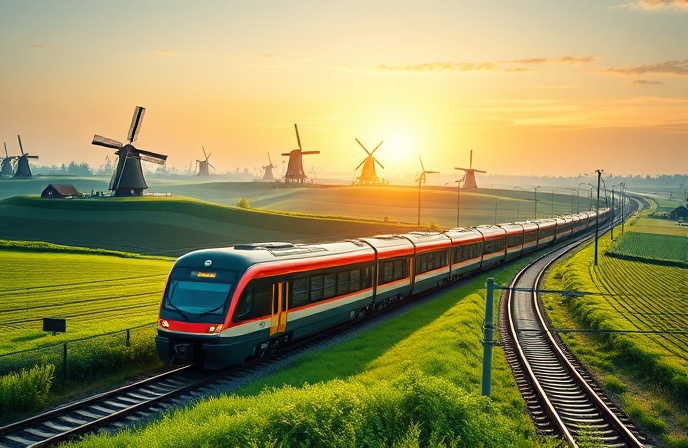
Mitsubishi Electric Commences Traction System Deliveries for Dutch Double-Decker Trains
The rhythmic rumble of trains across the Netherlands is about to be amplified. Mitsubishi Electric Corporation has begun delivering advanced traction systems for Nederlandse Spoorwegen (NS)’s new fleet of Double-Decker New Generation (DDNG) trains. The initial deliveries, starting in July, mark a significant step in modernizing the Dutch railway network. This multi-year project, encompassing 60 trains (300 cars) under the current phase and ultimately expanding to 266 trains (1,006 cars) by 2031, exemplifies the ongoing collaboration between Mitsubishi Electric, Spanish rolling stock manufacturer Construcciones y Auxiliar de Ferrocarriles, S.A. (CAF), and NS. This article explores the specifics of the project, exploring the technology, the track record that secured the contract, and the implications for the future of Dutch rail transport.
Proven Performance Fuels Expansion: The SNG Legacy
A key factor in Mitsubishi Electric’s selection for the DDNG project was the demonstrable success of their traction systems in the Sprinter New Generation (SNG) fleet. Under agreements signed in 2015 and 2019, Mitsubishi Electric supplied traction systems for 206 SNG trains (706 cars). These systems, in commercial operation since 2018, have consistently delivered on safety and reliability requirements across the extensive Dutch rail network. This proven track record solidified confidence in Mitsubishi Electric’s capabilities, providing a strong foundation for expanding the partnership with CAF and NS for the DDNG fleet. The consistent performance of the SNG systems provided critical data and operational experience, which aided in the development of the technology utilized in the DDNG trains.
Powering the Future: Traction System Specifications and Benefits
The traction systems provided by Mitsubishi Electric are critical to the DDNG trains’ operational performance. These systems are responsible for converting electrical energy into the mechanical force needed for the trains to accelerate, maintain speed, and brake efficiently. While specifics about the technology are not disclosed in the source material, it is expected that these systems are based on advanced power electronics, including insulated-gate bipolar transistors (IGBTs) for efficient power conversion and control. These innovations result in improved energy efficiency, reduced operating costs, and contribute to a more sustainable and environmentally friendly rail service. The DDNG trains are designed to enhance passenger capacity and offer improved comfort, making the rail network a more appealing and efficient mode of transportation for commuters and travellers.
Collaborative Network: Expanding the Supply Chain
The DDNG project is not solely dependent on Mitsubishi Electric’s expertise. Polish manufacturer MEDCOM Sp. z o.o., in which Mitsubishi Electric holds a capital stake, is supplying auxiliary power supply units for the fleet. This collaborative approach highlights a strategic effort to broaden Mitsubishi Electric’s European footprint and its customer network. The partnership with MEDCOM, which began in 2015, exemplifies a commitment to localized manufacturing and strengthens the overall supply chain for this major project. This network demonstrates a detailed, integrated approach that ensures the success and long-term viability of the DDNG fleet.
Conclusion
Mitsubishi Electric’s commencement of traction system deliveries for the Dutch DDNG trains marks a significant milestone in the ongoing modernization of the Netherlands’ rail infrastructure. The company’s proven track record with the SNG fleet, coupled with its strategic collaborations, particularly with CAF and MEDCOM, underscores its position as a key player in the European rolling stock market. The success of these systems and the expansion of the network is poised to significantly improve passenger capacity, comfort, and overall efficiency for the Dutch national rail system. This project reflects a global trend toward adopting advanced technologies for more sustainable and efficient public transit, signaling a positive outlook for the future of rail transportation in the Netherlands and beyond. The emphasis on performance, efficiency, and collaborative partnerships highlights a commitment to delivering advanced solutions that meet the evolving needs of the railway industry.
Company Summary
Mitsubishi Electric Corporation is a global leader in electrical and electronic equipment manufacturing, with a strong focus on railway systems and solutions. The company’s railway-related operations encompass a broad spectrum of products, including traction systems, train control systems, signalling systems, and passenger information systems. CAF (Construcciones y Auxiliar de Ferrocarriles, S.A.) is a Spanish rolling stock manufacturer. The company specializes in the design, manufacturing, and maintenance of trains, trams, and other railway vehicles. CAF has a long history in the railway industry, with a global presence and a strong reputation for innovation and quality. Nederlandse Spoorwegen (NS) is the primary passenger railway operator in the Netherlands, responsible for a detailed network of rail services that connect major cities and regions.

Railway infrastructure, rolling stock and transport technologies specialist focused on global rail industry developments, high-speed rail systems, signaling technologies and freight transportation. Covering railway investments, public transport modernization, rail operations and international mobility projects across Europe, Asia and North America.
RELATED POSTS

October 1, 2026 7:09 am
United States regulators confirmed a September 30 deadline for the...

October 1, 2026 12:13 am
Illinois approved $1.5 billion annually for the Northern Illinois Transit...

October 4, 2026 5:14 pm
Alstom secured a CA$4.7 billion order from VIA Rail Canada...

October 6, 2026 2:14 am
Union Pacific launched export rail shipments with Ferromex to deliver...

October 1, 2026 6:10 am
Amtrak approved a System Expansion Committee on July 30 to...
October 1, 2026 3:12 am
Greenbrier confirmed Brian Comstock as new president and CEO effective...