
DSB’s Green Revolution: Solar Powering Danish Trains
DSB, Denmark’s largest railway operator, aims to achieve a 98% reduction in its climate impact by 2030 through significant investments in renewable energy sources, exemplified by their partnership with European Energy for the construction of a large-scale solar park in Eastern Denmark. This project is part of DSB’s broader sustainability strategy aimed at reducing operational carbon emissions and enhancing energy security within the Danish railway system.
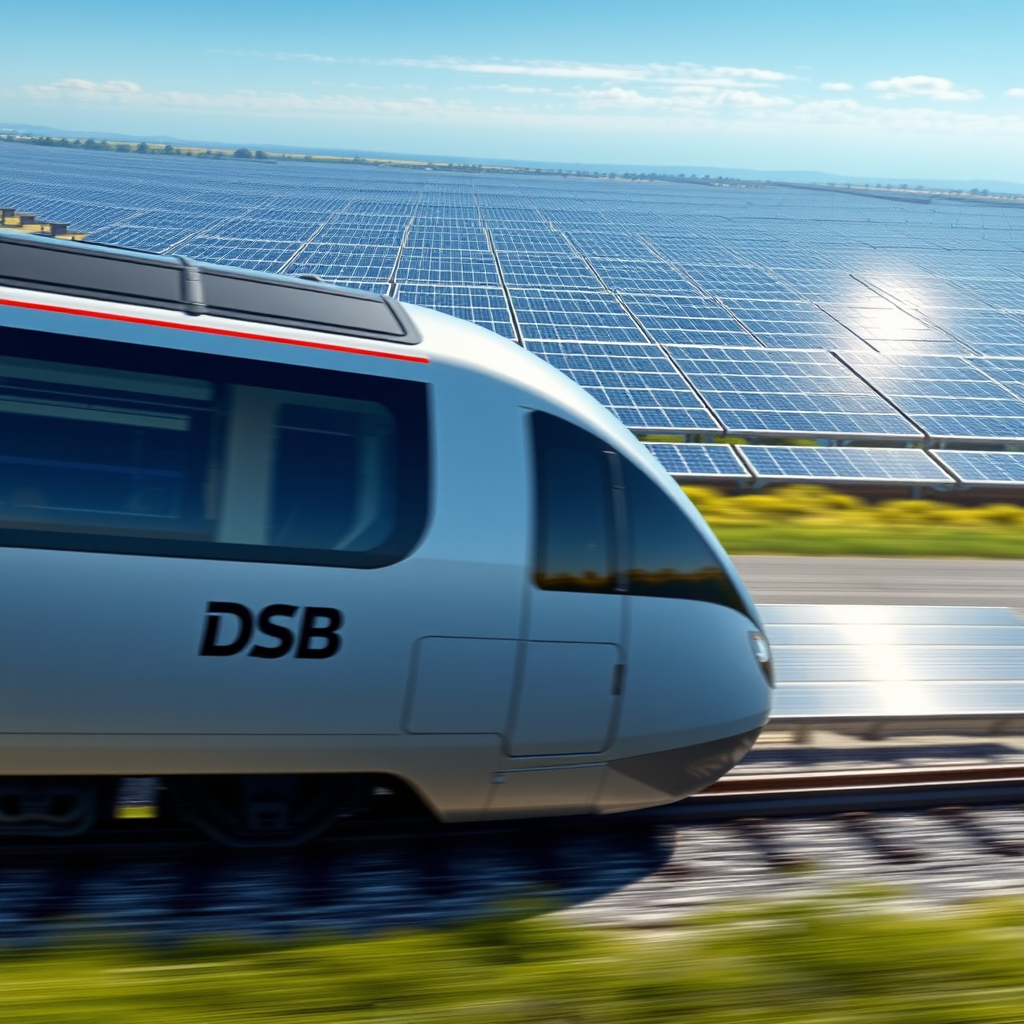
Sustainable Rail Transportation: DSB’s Investment in Renewable Energy
This article explores the strategic initiative undertaken by DSB (Danish State Railways), Denmark’s largest railway operator, to significantly reduce its environmental footprint and contribute to the nation’s green transition. DSB’s ambitious goal of achieving a 98% reduction in its climate impact by 2030 (compared to 2019 levels) necessitates a substantial shift towards sustainable energy sources. This commitment is exemplified by their recent partnership with European Energy to support the construction of a large-scale solar park in Eastern Denmark. This project highlights the increasing importance of integrating renewable energy solutions into the railway sector, not only for environmental benefits but also for enhancing operational efficiency and energy security. The following sections will delve into the specifics of this initiative, the broader implications for the Danish railway system, and the wider context of sustainable practices within the rail industry.
The Rødby Harbour Solar Park: Powering Copenhagen’s S-Tog
The core of DSB’s sustainability strategy involves the development of the 253-hectare Rødby Harbour solar park located in Lolland Municipality. Upon completion in 2025, this project will be one of the largest solar parks in Denmark, boasting an impressive annual production capacity of 262 gigawatt-hours (GWh). Crucially, DSB has secured a significant portion of this energy production, purchasing 80 GWh annually. This will cover approximately 50% of the electricity consumption of the S-Tog (S-Train), Copenhagen’s light rail network. This strategic investment showcases DSB’s commitment to replacing fossil fuel-based electricity with renewable sources, directly impacting their operational carbon emissions. The location of the solar park in Eastern Denmark, an area traditionally lacking in renewable energy infrastructure, addresses a critical regional need for increased green energy capacity, thus contributing to broader energy sustainability goals beyond the immediate needs of the railway system.
DSB’s Broader Sustainability Initiatives
The Rødby Harbour solar park investment is not an isolated initiative but rather a key component of DSB’s detailed sustainability plan. Their ambitious targets for 2030 encompass not only a 98% reduction in scope 1 and 2 emissions but also a 50% reduction in overall energy consumption. Further commitments include the complete elimination of particulate emissions from train engines and a 90% waste recycling rate. These targets demonstrate a holistic approach, extending beyond simply sourcing renewable energy to encompass operational efficiency improvements and waste management strategies. This integrated approach is crucial for achieving substantial and long-term reductions in environmental impact. The company is also investing heavily in modernizing its fleet, with a 10-year program underway to replace aging trains with more efficient and sustainable models. This includes a significant order of 100 Coradia Stream trains from Alstom, a testament to their commitment to technological advancement within the rail sector.
Implications for the Danish Rail System and Beyond
DSB’s actions have significant implications for the Danish rail system and serve as a model for other rail operators globally. By demonstrating a strong commitment to renewable energy and actively investing in large-scale renewable energy projects, DSB is not only reducing its environmental impact but also actively shaping the energy landscape in Denmark. The success of the Rødby Harbour solar park could stimulate further investments in similar projects, contributing to a wider shift towards decarbonization within the Danish energy sector. This initiative also highlights the potential for synergies between public transport and renewable energy development, paving the way for more integrated and sustainable infrastructure solutions. The integration of renewable energy sources into rail operations directly contributes to the broader goal of reducing greenhouse gas emissions and fostering a more environmentally responsible transport sector.
Conclusion
DSB’s strategic investment in the Rødby Harbour solar park represents a significant step towards achieving its ambitious sustainability goals and contributes to a broader transition towards a greener Denmark. By securing a substantial portion of the solar park’s energy output, DSB is directly addressing its reliance on fossil fuels and substantially reducing the carbon footprint of its S-Tog operations. This initiative underscores the importance of integrating renewable energy solutions into rail transportation, demonstrating a proactive approach to environmental responsibility. The success of this project not only minimizes DSB’s environmental impact but also serves as a compelling example for other rail operators globally, highlighting the feasibility and benefits of integrating renewable energy sources into rail operations. The commitment to reduce energy consumption, eliminate particulate emissions, and maximize waste recycling further underscores DSB’s holistic approach to sustainability. This commitment, combined with the significant investment in modernizing its fleet, positions DSB as a leader in sustainable rail transportation and lays a strong foundation for achieving its net-zero emissions target by 2050. The broader implications for the Danish energy sector and the global rail industry are significant, showcasing the potential for collaboration between public transport entities and renewable energy developers to create a more sustainable and efficient future.

Railway infrastructure, rolling stock and transport technologies specialist focused on global rail industry developments, high-speed rail systems, signaling technologies and freight transportation. Covering railway investments, public transport modernization, rail operations and international mobility projects across Europe, Asia and North America.
RELATED POSTS

October 1, 2026 7:09 am
United States regulators confirmed a September 30 deadline for the...

October 8, 2026 1:15 pm
Alstom secured a €1bn contract to build 13 automated trains,...

October 4, 2026 5:14 pm
Alstom secured a CA$4.7 billion order from VIA Rail Canada...

October 8, 2026 12:18 pm
Siemens Mobility signed an agreement with VinSpeed to supply 350...

October 5, 2026 6:12 pm
AECOM and Jacobs secured a contract in September 2026 to...

October 4, 2026 11:08 pm
Sound Transit confirmed the September 30 opening of Seattle Pinehurst...