
Deutsche Bahn: €1Billion High-Speed Rail Expansion
Deutsche Bahn’s €1 billion investment in 30 new high-speed trains represents a substantial commitment to expanding long-distance passenger capacity and modernizing its fleet, including crucial infrastructure improvements for efficient operation and longevity of the expanded fleet.
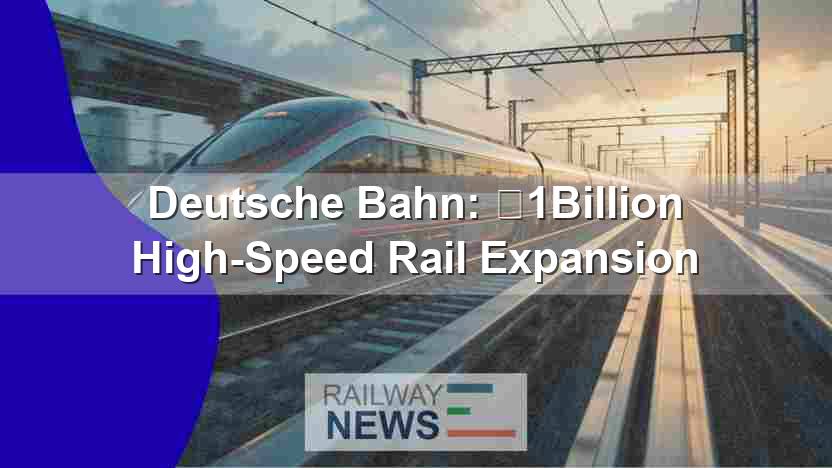
Deutsche Bahn’s Significant Investment in High-Speed Rail Expansion
This article examines Deutsche Bahn (DB)’s substantial €1 billion investment in 30 new high-speed trains, a key component of its broader “Strong Rail” strategy. This initiative represents a significant commitment to expanding long-distance passenger capacity and modernizing its fleet. The investment isn’t solely focused on acquiring new rolling stock; it encompasses crucial infrastructure improvements, including the expansion of maintenance depots, to ensure the efficient operation and longevity of the expanded fleet. This strategic move, approved by DB’s supervisory board, underscores the company’s dedication to enhancing passenger rail services, particularly on major high-speed corridors like Cologne-Rhine-Main and Munich-Berlin. The implications of this investment extend beyond simply adding seats; it speaks to a larger commitment to sustainable transportation and the crucial role of rail in Germany’s transportation future. This article will delve into the specifics of the investment, analyze its strategic rationale, and assess its potential impact on the German railway system.
Fleet Expansion and Capacity Increase
The core of DB’s investment lies in the acquisition of 30 new high-speed trains, adding approximately 11,400 seats to its long-distance network. This significant increase in passenger capacity directly addresses the growing demand for rail travel in Germany. The choice of high-speed trains highlights DB’s commitment to efficient and fast intercity travel. This expansion builds upon existing orders for ICE 4 (Intercity-Express 4), ECx (EuroCity express), and KISS (Siemens’s high-speed train) trains, further strengthening its long-distance fleet. The addition of eight bicycle spaces per train also caters to environmentally conscious travelers and promotes sustainable modes of transportation. This strategic decision is not isolated but rather forms a critical piece in the larger strategy to double long-distance passenger numbers.
Infrastructure Development and Maintenance
Beyond the purchase of new trains, DB is investing €500 million in expanding its maintenance depots. This investment is crucial for ensuring the operational efficiency and longevity of the expanded fleet. The expansion of depots in Frankfurt-Griesheim and Cottbus will enhance the capacity to service trains, reducing downtime and maximizing their operational lifespan. This commitment to infrastructure underlines the understanding that a modern and efficient rail network requires not just modern trains but also the capacity to maintain them effectively. The investment in maintenance infrastructure underscores a long-term view of operational sustainability and cost-effectiveness.
Strategic Implications and Job Creation
DB’s investment strategy has far-reaching implications. The expansion of its fleet and infrastructure will directly impact passenger service, improving travel options and potentially increasing ridership. Additionally, the project is projected to create an additional 600 jobs, boosting the national economy. This multifaceted approach to investment demonstrates DB’s understanding of the interplay between economic growth, infrastructure development, and sustainable transportation solutions. The investment signifies not only a commitment to improved rail service but also to job creation and the overall economic prosperity of the region.
Conclusion: A Multifaceted Approach to Modernizing German Rail
Deutsche Bahn’s €1 billion investment in 30 new high-speed trains represents a significant step towards modernizing and expanding Germany’s rail network. This investment isn’t simply about acquiring new rolling stock; it’s a detailed strategy encompassing fleet expansion, infrastructure development, and job creation. The addition of 11,400 seats directly addresses the increasing demand for long-distance rail travel, while the simultaneous investment in expanding maintenance depots ensures the long-term operational efficiency of the expanded fleet. The €500 million allocated to depot expansion underscores the importance of infrastructure in supporting the operational effectiveness of the new trains, emphasizing a holistic approach to railway modernization. Additionally, the expected creation of 600 jobs highlights the positive economic impact of this investment. The project aligns perfectly with DB’s “Strong Rail” strategy, aiming to double long-distance passenger numbers, showcasing a commitment to sustainable transportation and improved passenger experience. To summarize, DB’s actions demonstrate a proactive and strategic approach to addressing the evolving needs of Germany’s rail network, paving the way for a more efficient, sustainable, and passenger-centric railway system.

Railway infrastructure, rolling stock and transport technologies specialist focused on global rail industry developments, high-speed rail systems, signaling technologies and freight transportation. Covering railway investments, public transport modernization, rail operations and international mobility projects across Europe, Asia and North America.
RELATED POSTS

October 8, 2026 1:15 pm
Alstom secured a €1bn contract to build 13 automated trains,...

October 1, 2026 7:09 am
United States regulators confirmed a September 30 deadline for the...

October 8, 2026 12:18 pm
Siemens Mobility signed an agreement with VinSpeed to supply 350...

October 4, 2026 5:14 pm
Alstom secured a CA$4.7 billion order from VIA Rail Canada...

October 5, 2026 6:12 pm
AECOM and Jacobs secured a contract in September 2026 to...

October 4, 2026 11:08 pm
Sound Transit confirmed the September 30 opening of Seattle Pinehurst...