
DB Regio’s Green Revolution: 44 Stadler FLIRT BEMUs
This article discusses DB Regio’s significant order with Stadler for 44 battery-electric multiple units (BEMU), specifically the FLIRT model, destined for the Palatinate network in southwest Germany, highlighting a shift towards modernizing regional rail transit by embracing sustainable, electrified transport.
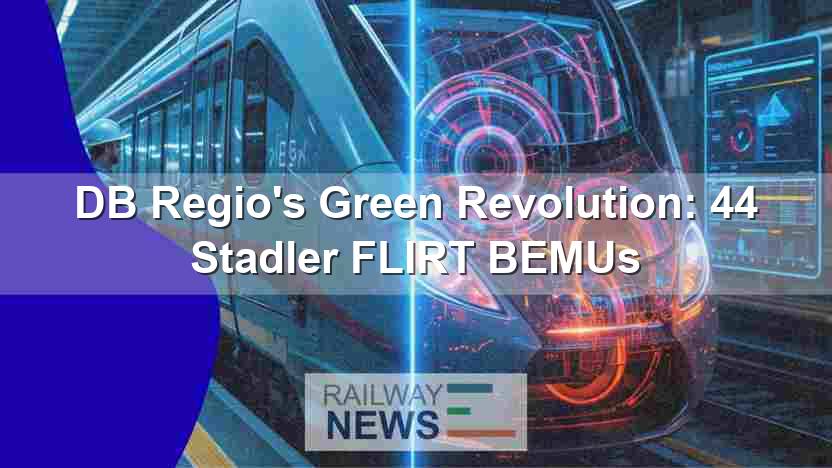
This article explores the significant order placed by DB Regio (Deutsche Bahn Regio) with Stadler for 44 battery-electric multiple units (BEMU), specifically the FLIRT (Fast Light Innovative Regional Train) model, destined for the Palatinate network in southwest Germany. This procurement represents a substantial step towards modernizing regional rail transit in the region, transitioning away from diesel-powered trains and embracing sustainable, electrified transport. The deal highlights the growing importance of battery-electric technology in addressing environmental concerns within the railway industry and the increasing demand for versatile, high-capacity rolling stock capable of operating on both electrified and non-electrified lines. The successful implementation of this project will have implications for future rail electrification strategies across Europe and beyond, influencing both technological advancements and procurement practices within the sector.
Electrification and the Transition to BEMUs
The order from DB Regio marks a crucial shift towards electrification in the Palatinate region. Currently reliant on diesel trains, this transition aims to reduce carbon emissions and improve air quality. The selected FLIRT BEMUs offer a practical solution, enabling operation on both electrified and non-electrified sections of the network. This flexibility is critical for regions where complete electrification may not be immediately feasible or cost-effective. The adoption of BEMUs represents a significant technological advancement, allowing for the reduction of reliance on diesel power while preserving the advantages of a non-electrified network. This hybrid approach offers a balanced solution for infrastructure limitations and environmental goals.
Stadler’s FLIRT Technology and its Advantages
Stadler’s FLIRT platform is renowned for its versatility and adaptability. The chosen configuration, a two-car BEMU, is optimized for the specific needs of the Palatinate network, balancing passenger capacity with operational efficiency. The use of lightweight aluminum construction reduces energy consumption and simplifies maintenance, contributing to lower operating costs. The trains’ capacity to accommodate approximately 325 passengers ensures sufficient capacity for regional service. Additionally, the FLIRT platform’s modular design allows for scalability; two- to six-car compositions can be configured, providing flexibility to meet evolving demand across different routes and timetables. The train’s ability to reach speeds of up to 200 km/h (124 mph) further enhances its operational efficiency.
The Collaborative Procurement and its Implications
The procurement process involved a collaboration between the commissioning authorities of Rhineland-Palatinate, Saarland, and Baden-Württemberg, demonstrating a regional commitment to sustainable transport. This coordinated approach underscores the effectiveness of joint procurement strategies for large-scale infrastructure projects. The award of the contract to Stadler through a European tender process emphasizes transparency and fair competition. The involvement of multiple stakeholders highlights the increasing importance of public-private partnerships in driving technological advancements and infrastructure upgrades within the railway sector. This collaborative approach models how large regional transportation systems can work together for a common goal.
Future of Battery-Electric Trains and Sustainable Rail Transport
The DB Regio order significantly contributes to the broader trend toward the electrification of regional rail networks. The success of this project will serve as a model for other regions considering similar transitions. The deployment of BEMUs showcases the growing maturity of battery technology in the rail industry, providing a viable alternative to diesel propulsion, particularly in areas with limited or intermittent electrification. Stadler’s ongoing development of hydrogen-powered FLIRT trains further illustrates the commitment to exploring diverse sustainable solutions within the rail sector. The combination of advanced battery technology, lightweight construction, and modular design makes the FLIRT a compelling solution for modernizing regional rail transport sustainably. The success of this deployment will play a significant role in shaping future procurement strategies for regional rail systems, driving innovation and environmental responsibility.
Conclusion
The DB Regio order for 44 Stadler FLIRT BEMUs represents a significant milestone in the modernization and electrification of regional rail transport in southwest Germany. This project showcases the growing importance of battery-electric technology in achieving sustainable and efficient rail operations. The use of Stadler’s versatile FLIRT platform, featuring lightweight construction and a high passenger capacity, addresses the specific needs of the Palatinate network and offers flexibility for future expansion. The collaborative procurement process involving multiple regional authorities highlights the benefits of joint efforts in advancing sustainable infrastructure projects. The long-term success of this initiative will likely influence future investments in battery-electric trains and promote the wider adoption of sustainable rail technologies across Europe and globally. The project’s success is crucial not only for the Palatinate network but also as a compelling case study for other regions seeking to balance economic efficiency with environmental responsibility in their transportation planning. The strategic adoption of BEMUs represents a key step toward a cleaner, more efficient, and sustainable future for regional rail networks. The collaboration between DB Regio and Stadler showcases the power of public-private partnerships in driving innovation and implementing effective solutions for modernizing transportation infrastructure. The lessons learned from this initiative will undoubtedly inform future rail electrification strategies and contribute to the broader global effort to reduce carbon emissions within the transportation sector.

Railway infrastructure, rolling stock and transport technologies specialist focused on global rail industry developments, high-speed rail systems, signaling technologies and freight transportation. Covering railway investments, public transport modernization, rail operations and international mobility projects across Europe, Asia and North America.
RELATED POSTS

October 8, 2026 1:15 pm
Alstom secured a €1bn contract to build 13 automated trains,...

October 1, 2026 7:09 am
United States regulators confirmed a September 30 deadline for the...

October 8, 2026 12:18 pm
Siemens Mobility signed an agreement with VinSpeed to supply 350...

October 4, 2026 5:14 pm
Alstom secured a CA$4.7 billion order from VIA Rail Canada...

October 5, 2026 6:12 pm
AECOM and Jacobs secured a contract in September 2026 to...

October 4, 2026 11:08 pm
Sound Transit confirmed the September 30 opening of Seattle Pinehurst...