
Crossrail Station Upgrades: Graham & Hochtief’s Success
Crossrail’s Elizabeth line upgrade: Graham and Hochtief delivered six station improvements, boosting capacity and accessibility. Discover how collaborative project management ensured on-time delivery!
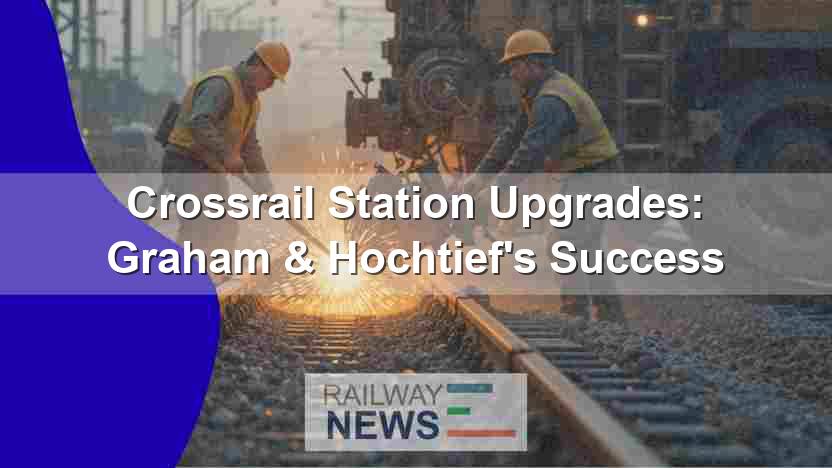
This article examines the significant station upgrade contracts awarded to Graham and Hochtief by Network Rail (NR) for the Crossrail project, now known as the Elizabeth line. The project’s ambition to dramatically increase central London’s rail capacity by 10% necessitated detailed station upgrades to accommodate the projected surge in passenger numbers. This analysis will delve into the scope of the works undertaken by both contractors, the strategic importance of these upgrades within the broader context of the Elizabeth line’s completion, and the challenges and successes associated with such large-scale railway infrastructure projects. We will also discuss the implications of these upgrades for passenger experience and the future of railway infrastructure development in densely populated urban environments. The article will further explore the collaborative nature of such projects, highlighting the interaction between NR, the contractors, and the overall Crossrail leadership in delivering a complex and timely solution.
Contract Award and Scope of Works
Network Rail awarded contracts to Graham and Hochtief, two prominent construction contractors, for the upgrade of six stations along the Elizabeth line corridor. Hochtief’s responsibilities encompassed West Drayton, Hayes & Harlington, and Southall stations, while Graham was tasked with the upgrades at Acton Main Line, West Ealing, and Ealing Broadway. These upgrades were crucial to ensuring the stations could effectively handle the increased passenger volume anticipated with the line’s full operational capacity. The work included a wide array of improvements, focusing primarily on enhancing passenger flow and accessibility. This involved the construction and installation of new ticket counters, lifts, and footbridges, directly addressing pre-existing accessibility issues and improving the overall passenger journey.
Addressing Accessibility and Passenger Flow
A key focus of the station upgrades was improved accessibility. The addition of lifts and footbridges significantly enhanced the mobility of passengers with disabilities and reduced reliance on stairs. The design and implementation of these accessibility features required careful consideration of the existing station layouts and integration with the surrounding infrastructure. Simultaneously, improvements to ticket counters and other passenger flow management systems were implemented to streamline the passenger experience, mitigating potential bottlenecks during peak hours. This holistic approach ensured that the upgraded stations were not only accessible but also efficient in handling increased passenger traffic.
Collaboration and Project Timeline
The successful completion of these upgrades relied heavily on effective collaboration between Network Rail, Graham, Hochtief, and the overall Crossrail leadership. Network Rail had already undertaken preparatory “enabling works,” laying the groundwork with foundations and steel frames for the new accessibility features. This coordination ensured a seamless transition between phases of the project and minimized potential delays. The entire project was expected to be completed by December of the following year, demonstrating the ambitious timeline and efficient project management involved. This collaborative approach highlights a best practice model for large-scale infrastructure projects, underscoring the importance of effective communication and coordination across various stakeholders.
Conclusion: Implications and Future Outlook
The successful completion of the Graham and Hochtief station upgrade contracts represents a significant milestone in the Elizabeth line project. The upgrades, focusing on improved accessibility and enhanced passenger flow, are crucial for accommodating the anticipated increase in passenger numbers. The project serves as a prime example of how strategic investment in railway infrastructure can significantly improve the commuting experience and boost the capacity of a vital transportation network. The seamless collaboration between Network Rail, the contractors, and Crossrail leadership showcases the importance of a coordinated approach to delivering large-scale infrastructure projects efficiently and effectively. The lessons learned from this project – the importance of early enabling works, meticulous planning for accessibility, and robust project management – should inform future railway infrastructure developments. This successful upgrade demonstrates a clear commitment to enhancing passenger experience, improving accessibility, and significantly increasing central London’s rail capacity. The efficiency and effectiveness of the project provide a valuable case study for future large-scale transport infrastructure upgrades, emphasizing the importance of proactive planning, strategic partnerships, and a commitment to delivering on time and within budget. This successful completion paves the way for a more efficient and inclusive public transportation system within London, underscoring the significance of such investments in urban development and transportation planning. The Elizabeth line’s success is a testament to the transformative power of strategic infrastructure development, shaping the future of London’s transport landscape for years to come.

Railway infrastructure, rolling stock and transport technologies specialist focused on global rail industry developments, high-speed rail systems, signaling technologies and freight transportation. Covering railway investments, public transport modernization, rail operations and international mobility projects across Europe, Asia and North America.
RELATED POSTS

October 8, 2026 1:15 pm
Alstom secured a €1bn contract to build 13 automated trains,...

October 1, 2026 7:09 am
United States regulators confirmed a September 30 deadline for the...

October 8, 2026 12:18 pm
Siemens Mobility signed an agreement with VinSpeed to supply 350...

October 4, 2026 5:14 pm
Alstom secured a CA$4.7 billion order from VIA Rail Canada...

October 5, 2026 6:12 pm
AECOM and Jacobs secured a contract in September 2026 to...

October 1, 2026 12:13 am
Illinois approved $1.5 billion annually for the Northern Illinois Transit...