
Covered Hopper Railcars: Optimizing Global Freight Rail
Boost freight rail efficiency with covered hopper railcars. Reduce spillage, protect cargo, and enhance safety—discover how!
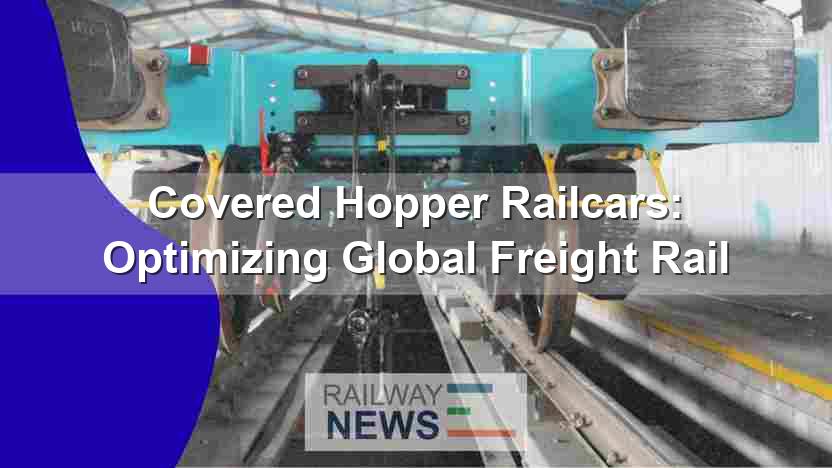
The efficiency and reliability of freight rail networks are paramount in today’s globalized economy. A key component in optimizing these systems is the strategic utilization of specialized railcars, particularly covered hopper railcars. This article explores the significance of these vehicles in enhancing freight transport operations, addressing critical considerations such as safety, cost-effectiveness, and environmental impact. The analysis will encompass various aspects, from the inherent benefits of using covered hoppers to the operational challenges and advancements in design that enhance their performance and promote sustainability. By examining the critical role covered hopper railcars play within the broader framework of freight rail logistics, we aim to illuminate the path towards optimizing the entire supply chain.
The Advantages of Covered Hopper Railcars
Covered hopper railcars are specifically designed to transport bulk materials, like coal, minerals, and agricultural products. Their enclosed design significantly reduces spillage and the release of fugitive dust and emissions. This advantage not only minimizes environmental damage but also enhances the safety of surrounding communities and rail personnel. Additionally, the sealed design protects the cargo from the elements, preserving the quality and minimizing deterioration during transit. This protection leads to a reduced risk of spoilage, which is particularly crucial for temperature-sensitive materials and agricultural products, impacting the reliability and profitability of the entire supply chain.
Operational Considerations and Challenges
Implementing covered hopper railcars into existing freight operations necessitates careful consideration of several factors. Intermodal compatibility and the integration with existing infrastructure are crucial factors to consider. This integration must account for potential bottlenecks and ensure smooth transitions between different modes of transport. Additionally, the capacity limitations of specific loading and unloading facilities must be assessed, as well as the train configuration required to accommodate the railcars. These considerations help determine the most efficient use of existing infrastructure and avoid operational inefficiencies.
Technological Advancements and Sustainability
Modern advancements in materials science and engineering have led to significant improvements in covered hopper railcar design. Innovative materials can enhance durability and reduce weight, thereby increasing the carrying capacity and decreasing fuel consumption. Additionally, the incorporation of advanced tracking and monitoring technologies can improve operational visibility and enhance safety, while also facilitating better route planning and optimized resource allocation. This ongoing advancement in covered hopper railcar design is crucial to achieving sustainability goals within the freight rail industry, including reducing the environmental footprint of transport operations.
Conclusion: The Future of Freight Rail
The strategic deployment of covered hopper railcars is vital in shaping the future of freight rail operations. Their ability to enhance safety, reduce environmental impact, and ensure the secure transport of various goods is undeniably critical in achieving efficiency and sustainability within the supply chain. The continued development of these specialized railcars, coupled with the implementation of cutting-edge technologies, promises a future of efficient, environmentally responsible freight rail transport, ultimately fostering a more sustainable and resilient logistics system. The integration of these railcars into existing infrastructure and the careful consideration of operational challenges are essential for realizing the full potential of this technology.
Optimizing freight rail operations necessitates a multi-faceted approach, with the use of specialized vehicles like covered hopper railcars playing a crucial role. This approach addresses critical factors such as cost-effectiveness, sustainability, and cargo integrity. By strategically utilizing covered hopper railcars, rail operators can enhance the entire freight rail system and contribute to a more efficient and resilient supply chain. While existing infrastructure and operational limitations must be considered, the advancements in design and technology offer solutions to overcome these challenges. The strategic incorporation of these features within the freight rail network will be crucial to the industry’s success in the coming years.
The meticulous optimization of freight rail operations, facilitated by the use of covered hopper railcars, is essential to enhancing efficiency, reducing environmental impact, and bolstering the sustainability of global supply chains. This approach requires careful attention to various factors, including operational compatibility, infrastructure limitations, and environmental considerations. The continued advancements in covered hopper railcar technology, combined with intelligent integration of technologies like advanced tracking and monitoring systems, pave the way towards a more sustainable and efficient freight rail transport network. This ultimately contributes to a more resilient and secure global supply chain. This is especially crucial for bulk goods transportation, highlighting the integral role of covered hopper railcars.
You might be interested in:
Last January 2019, we published an article about increasing NYC subway speeds safely. Click here to read – NYC Subway Speed Limit Increase: Safety, Efficiency & The SPEED Unit

Railway infrastructure, rolling stock and transport technologies specialist focused on global rail industry developments, high-speed rail systems, signaling technologies and freight transportation. Covering railway investments, public transport modernization, rail operations and international mobility projects across Europe, Asia and North America.
RELATED POSTS

October 8, 2026 1:15 pm
Alstom secured a €1bn contract to build 13 automated trains,...

October 1, 2026 7:09 am
United States regulators confirmed a September 30 deadline for the...

October 8, 2026 12:18 pm
Siemens Mobility signed an agreement with VinSpeed to supply 350...

October 4, 2026 5:14 pm
Alstom secured a CA$4.7 billion order from VIA Rail Canada...

October 5, 2026 6:12 pm
AECOM and Jacobs secured a contract in September 2026 to...

October 1, 2026 12:13 am
Illinois approved $1.5 billion annually for the Northern Illinois Transit...