
China’s Metro Leap: Thales SelTrac CBTC Success
This article highlights the successful implementation of Thales’ SelTrac CBTC signaling systems on two new metro lines in China—Hefei Metro Line 4 and Nanchang Metro Line 4—and underscores advancements in urban rail infrastructure, emphasizing international collaboration in the rail sector.
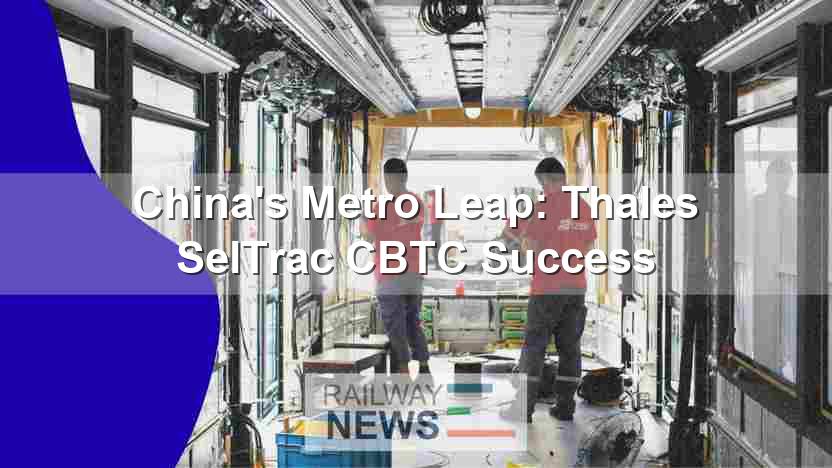
This article explores the recent successful implementation of Thales’ SelTrac CBTC (Communication-Based Train Control) signaling systems on two new metro lines in China: Hefei Metro Line 4 and Nanchang Metro Line 4. The deployment of these advanced signaling systems highlights significant advancements in China’s urban rail infrastructure and underscores the growing global demand for sophisticated, reliable, and efficient train control technologies. The integration of these systems, developed through a joint venture between Thales and Shanghai Electric Group (TST), showcases a successful model of international collaboration in the rail sector. We will delve into the specifics of each line’s implementation, the technological advancements incorporated, and the broader implications for the future of Chinese and global metro systems. The analysis will examine the challenges overcome during installation and the future potential for expansion and integration within existing networks, emphasizing the crucial role of such technology in enhancing capacity, safety, and passenger experience within increasingly complex urban transit environments.
Hefei Metro Line 4: A Complex Undertaking
Hefei Metro Line 4, measuring 41.3km in length, connects the western Qinglonggang district to the northern Free Trade Zone, serving 31 underground stations. The project presented significant challenges due to its complex design and construction requirements. A key achievement was the integration of Line 4 with Hefei Metro Line 3 at Library Station, enabling future cross-line operations, a crucial aspect for optimizing network efficiency and passenger flow. The implementation also included the provision of Automatic Train Control (ATC) at the Science City Depot, laying the groundwork for a future upgrade to a fully automated depot (FAO), showcasing a phased approach to system enhancement. The successful completion of this project underlines TST’s capabilities in managing and delivering large-scale, intricate metro projects.
Nanchang Metro Line 4: Rapid Deployment and Network Expansion
Nanchang Metro Line 4, spanning 39.6km across one county and six districts, features 29 stations. This line is noteworthy for its rapid deployment; the TST project team completed site installation, including surveying, equipment deployment, testing, and commissioning across nearly 40km of track, depots, and parking lots, within just six months. This impressive timeframe reflects efficient project management and technological expertise. Additionally, Nanchang Line 4 significantly enhances the overall capacity of the Nanchang metro network, supporting a higher number of trains than any other line in the city. This project builds on TST’s prior experience in Nanchang, having previously equipped Lines 1 and 2 with their signaling solutions, demonstrating a consistent track record of successful deployments.
Thales SelTrac CBTC: A Technological Leap
The success of both projects hinges on the implementation of Thales’ SelTrac CBTC system. This advanced technology utilizes communication-based train control, enhancing safety and operational efficiency compared to older, less flexible systems. CBTC allows for tighter headways (shorter distances between trains), increasing network capacity and reducing passenger waiting times. The system’s sophisticated features contribute to improved punctuality and overall network performance, crucial for the smooth operation of busy urban metro systems. The integration of ATC and the potential for FAO upgrades further highlight the scalability and adaptability of the SelTrac system, enabling future modernization and capacity expansion.
International Collaboration and Future Implications
The partnership between Thales and Shanghai Electric Group (TST) exemplifies successful international collaboration in the rail sector, combining Thales’ technological expertise with local knowledge and resources. The successful deployment of SelTrac CBTC on these two lines not only benefits Hefei and Nanchang but also serves as a model for future metro projects in China and globally. The rapid deployment and seamless integration showcased in Nanchang underline the potential for efficient and timely infrastructure development. The successful implementation of these projects reaffirms the importance of advanced signaling technologies in meeting the demands of growing urban populations and enhancing the overall efficiency and safety of public transport systems worldwide. Further investment in such technologies will be crucial in meeting the challenges of expanding urban rail networks and ensuring sustainable and reliable public transport solutions for the future.
Conclusions
The successful launch of Hefei Metro Line 4 and Nanchang Metro Line 4, both equipped with Thales’ SelTrac CBTC signaling system, represents a significant milestone in China’s urban rail development. This achievement showcases the capabilities of TST, the joint venture between Thales and Shanghai Electric Group, in delivering complex, large-scale metro projects with impressive speed and efficiency. The implementation of SelTrac CBTC on these lines provides a tangible example of how advanced signaling technologies can significantly enhance operational efficiency, safety, and capacity within urban transit networks. The integration of the systems, the potential for future automation upgrades (FAO), and the interoperability demonstrated between lines (Hefei Line 3 and 4) highlight the strategic importance of adopting cutting-edge solutions to meet the demands of rapidly expanding cities. The projects not only enhance public transportation in Hefei and Nanchang but also serve as a compelling case study for future metro development projects globally, demonstrating the benefits of international collaboration in leveraging technological advancements to create more efficient, sustainable, and safe urban rail systems. The future of urban transport relies on innovative solutions like SelTrac CBTC, and these successful deployments underscore the significant progress being made in this vital area.

Railway infrastructure, rolling stock and transport technologies specialist focused on global rail industry developments, high-speed rail systems, signaling technologies and freight transportation. Covering railway investments, public transport modernization, rail operations and international mobility projects across Europe, Asia and North America.
RELATED POSTS

October 8, 2026 1:15 pm
Alstom secured a €1bn contract to build 13 automated trains,...

October 1, 2026 7:09 am
United States regulators confirmed a September 30 deadline for the...

October 8, 2026 12:18 pm
Siemens Mobility signed an agreement with VinSpeed to supply 350...

October 4, 2026 5:14 pm
Alstom secured a CA$4.7 billion order from VIA Rail Canada...

October 5, 2026 6:12 pm
AECOM and Jacobs secured a contract in September 2026 to...

October 4, 2026 11:08 pm
Sound Transit confirmed the September 30 opening of Seattle Pinehurst...