
Chennai Metro: Driverless Trains Arrive
The new Alstom Metropolis trainsets for the Chennai Metro Rail (CMRL) represent a significant technological leap by introducing driverless trains, enhancing safety, efficiency, and passenger comfort through advanced automation systems like ATO and ATP. This initiative underscores the global trend towards modernizing public transportation with automated technologies, aiming to improve urban transit planning in India and beyond.
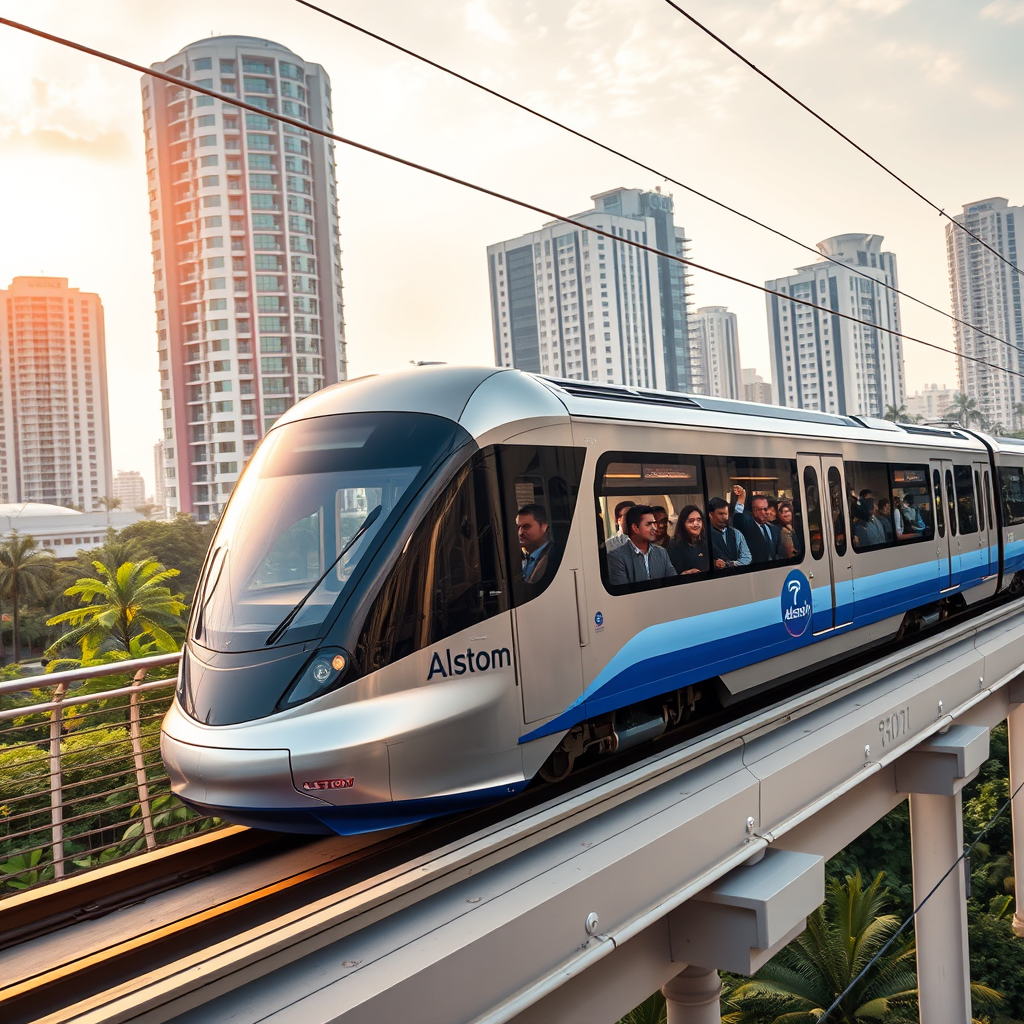
This article explores the significant technological advancement undertaken by the Chennai Metro Rail (CMRL) with the introduction of its new driverless metro train fleet. The procurement of 36 new Metropolis trainsets (108 coaches total) from Alstom signifies a substantial investment (€124 million or $133 million) in modernizing Chennai’s public transportation system. This project showcases the growing trend towards automation in railway systems globally, focusing on efficiency, safety, and passenger experience. We will explore the technical specifications of these trains, the benefits they bring to commuters and the broader implications for urban transit planning in India and beyond. We will also analyze the strategic partnership between Alstom and CMRL and the economic impact of such large-scale infrastructure projects. The analysis will encompass the technological features, operational improvements, and the overall contribution to sustainable urban development within the Chennai metropolitan area.
Alstom Metropolis Trainsets: Technical Specifications and Capabilities
The 36 Alstom Metropolis trainsets, each comprising three cars, are designed for Unattended Train Operations (UTO). This implies the trains operate without a driver onboard, relying entirely on sophisticated automation systems. Key technologies integrated into these trainsets include Automatic Train Operation (ATO) for automated control of acceleration, braking, and speed regulation, and Automatic Train Protection (ATP), ensuring safe train separation and preventing collisions. These systems work in conjunction to maintain precise train schedules and enhance safety across the entire network. The trains boast a top speed of 80 km/h, a passenger capacity of 1,000, and importantly, incorporate regenerative braking – a system that recovers energy during braking and feeds it back into the power system, thus improving energy efficiency and reducing the environmental impact. The implementation of these advanced systems is a crucial step towards a future of sustainable and efficient urban rail transport.
Operational Improvements and Passenger Benefits
The introduction of these driverless trains promises to revolutionize the commuting experience in Chennai. The advanced technology significantly enhances safety through automated train control and protection systems. This leads to more predictable and reliable services, reducing delays and improving overall network efficiency. The increased passenger capacity (1000 per train) directly addresses the growing demands of the city’s expanding population, alleviating overcrowding during peak hours. Additionally, the improved energy efficiency achieved through regenerative braking contributes to reduced operational costs and environmental sustainability, aligning with global efforts towards green transportation. The comfort and convenience for passengers are elevated by modern design and technologically advanced features. The integration of these improved aspects of the system significantly improves travel times and the quality of life for Chennai’s commuters.
Strategic Partnership and Economic Impact
This project signifies a strong partnership between Alstom, a leading global rolling stock manufacturer, and CMRL, illustrating the commitment to upgrading India’s railway infrastructure. Alstom’s manufacturing facility in Sri City, near Chennai, underscores the company’s investment in local manufacturing and job creation. This €124 million contract not only modernizes Chennai’s metro system but also boosts the local economy by generating employment and fostering technological advancement within the country. This collaboration is a model for future public-private partnerships promoting growth and development in the railway sector. The positive effects of the project will extend beyond the immediate scope, driving innovation and economic progress in the region and acting as a blueprint for similar endeavors elsewhere.
Conclusion
The deployment of Alstom’s driverless Metropolis trains in Chennai marks a significant milestone for India’s railway infrastructure and urban transportation planning. The project demonstrates a commitment to technological advancement, improved passenger experience, and environmental sustainability. The integration of UTO, ATO, and ATP systems guarantees a safer, more efficient, and more reliable transit network for the 11 million Chennai metro travellers. The economic impact extends beyond the direct investment, creating jobs and fostering technological growth within India. The success of this project serves as a powerful example for other cities globally facing the challenges of rapid urbanization and the need for sustainable and efficient transportation solutions. Regenerative braking, a key technological feature, contributes to a greener and more sustainable transportation system, reducing the environmental footprint and improving cost efficiency. The partnership between CMRL and Alstom sets a precedent for future collaborations focused on modernization and infrastructure improvements, transforming urban commuting and setting a new standard for modern rail transportation worldwide. The overall success of this initiative is a testament to the potential of combining technological innovation with effective public-private partnerships to address urban transit challenges.

Railway infrastructure, rolling stock and transport technologies specialist focused on global rail industry developments, high-speed rail systems, signaling technologies and freight transportation. Covering railway investments, public transport modernization, rail operations and international mobility projects across Europe, Asia and North America.
RELATED POSTS

October 1, 2026 7:09 am
United States regulators confirmed a September 30 deadline for the...

October 8, 2026 1:15 pm
Alstom secured a €1bn contract to build 13 automated trains,...

October 4, 2026 5:14 pm
Alstom secured a CA$4.7 billion order from VIA Rail Canada...

October 4, 2026 11:08 pm
Sound Transit confirmed the September 30 opening of Seattle Pinehurst...
October 1, 2026 10:14 am
HS2 installed a 55-metre steel span in Birmingham, completing phase...

October 5, 2026 6:12 pm
AECOM and Jacobs secured a contract in September 2026 to...