
CEN/TS 16794 Defines Standards for Railway Passenger Data Exchange
CEN/TS 16794 defines standards for railway passenger information data exchange, ensuring interoperable, accurate, and real-time communication across train networks.
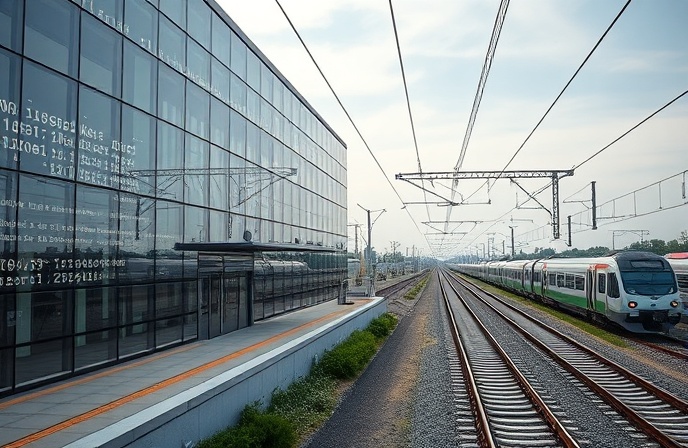
Introduction to CEN/TS 16794
CEN/TS 16794 is a European Technical Specification that defines requirements for the exchange of passenger information and operational data in railway systems. It ensures accurate, timely, and interoperable communication between trains, stations, and central control systems.
Scope and Purpose
The specification applies to data models, message structures, and semantic standards for passenger information systems. Its purpose is to enable real-time updates on schedules, delays, platform changes, and other operational information, ensuring consistency across different railway operators and systems.
Key Components
- Data Exchange Protocols: Standardizes the transmission of operational and passenger information between systems.
- Semantic Models: Defines common terminology, message formats, and codes for consistent data interpretation.
- Real-Time Information: Supports dynamic updates for passengers, including delays, platform changes, and service interruptions.
- Integration with Train Control: Interfaces with ETCS, SCADA, and other operational systems for synchronized data exchange.
Comparison Table
| Component | CEN/TS 16794 Requirement | Typical Practice |
|---|---|---|
| Message Format | Standardized XML/JSON structures | Operator-specific proprietary formats |
| Real-Time Update Frequency | ≤ 30 seconds | ≈ 2 minutes |
| Semantic Standardization | Defined vocabulary and codes | Varies by operator |
Implementation and Benefits
CEN/TS 16794 is adopted by railway operators across Europe to ensure interoperable and accurate passenger information systems. Implementation improves passenger experience, reduces confusion during disruptions, and enables seamless operation across different rail networks.
Snippet Bait
CEN/TS 16794 sets standards for railway passenger information and data exchange, ensuring interoperability, real-time updates, and consistent communication across rail networks.

Railway infrastructure, rolling stock and transport technologies specialist focused on global rail industry developments, high-speed rail systems, signaling technologies and freight transportation. Covering railway investments, public transport modernization, rail operations and international mobility projects across Europe, Asia and North America.