
Caltrain Approves CROWS Strategy for Peninsula Safety
Caltrain approved a five-point CROWS strategy to standardize safety and reduce trespassing incidents across its Peninsula corridor.
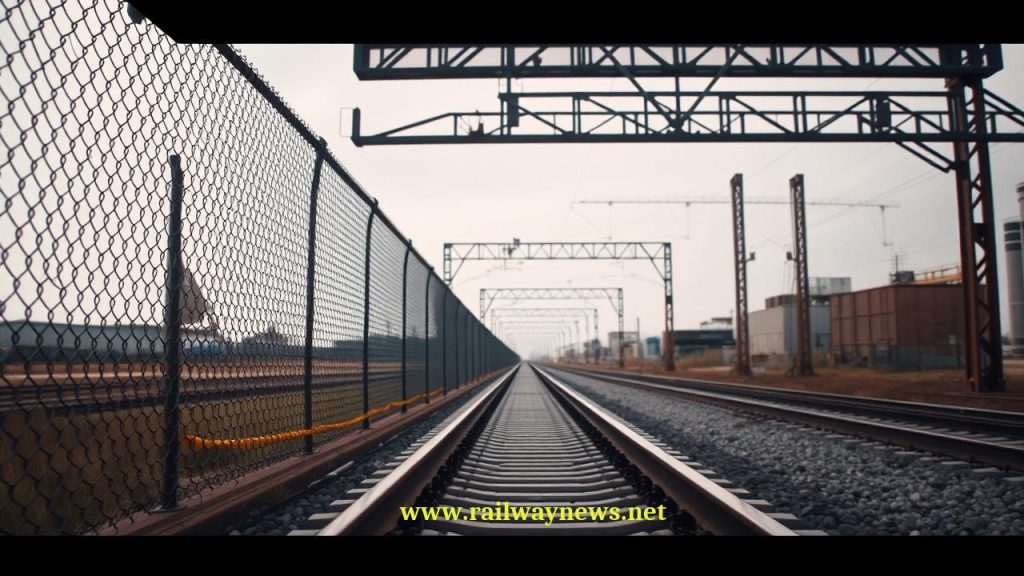
⚡ In Brief: Caltrain’s board has adopted the Corridor Right-of-Way Safety (CROWS) strategy, a new data-driven policy to standardize safety improvements and reduce trespassing incidents along its San Francisco Peninsula and Santa Clara Valley corridor in California.
SAN CARLOS, USA – The Caltrain Board of Directors last week adopted a new safety policy, the Corridor Right-of-Way Safety (CROWS) strategy, to proactively reduce trespassing and preventable incidents. This represents the passenger railroad’s first standardized, system-wide approach to right-of-way safety, moving beyond reactive, location-specific fixes. The strategy establishes a five-point framework for implementation across its corridor.
What Does This Regulation Cover?
The CROWS strategy standardizes Caltrain’s approach to right-of-way safety through five key initiatives. The plan mandates regular hazard and risk assessments, increased anti-trespassing enforcement in partnership with local police, and public education campaigns on rail safety. It also includes measures to reduce physical access to tracks via fencing and enhanced video surveillance, alongside updates to internal standards for grade crossing development.
Key Regulatory Data
| Parameter | Value |
|---|---|
| Regulation / Policy Name | Corridor Right-of-Way Safety (CROWS) Strategy |
| Total Value | Not disclosed |
| Parties Involved | Caltrain, local law enforcement agencies |
| Timeline / Completion | Not disclosed |
| Country / Corridor | USA / San Francisco Peninsula & Santa Clara Valley |
How Does This Compare to Other Regional Safety Measures?
The CROWS strategy focuses on external, right-of-way safety and is part of a broader safety push by the agency. In a separate but concurrent move, Caltrain’s board also recently adopted a policy to improve on-board safety by banning oversized bicycles, including e-bikes over six feet long or with tires wider than three inches (Source: CBS News, 2024). While CROWS addresses trackside incidents, the bicycle policy targets internal passenger management and vehicle clearance, demonstrating a multi-faceted approach to risk reduction. Proactive right-of-way safety plans are an increasing focus for U.S. passenger railroads aligning with Federal Railroad Administration (FRA) safety priorities, especially for corridors undergoing modernization.
Editor’s Analysis
The adoption of the CROWS strategy is directly linked to Caltrain’s ongoing electrification project and the imminent launch of its new, quieter electric fleet. The reduced auditory warning from electric multiple units (EMUs) compared to legacy diesel trains significantly increases the risk for trespassers, making a proactive, data-driven safety plan a critical operational necessity. This policy shift reflects a broader industry trend where transit agencies, like Sound Transit in Seattle, are re-evaluating long-term operational plans and risks in parallel with major capital investments (Source: KOMO News, 2024).
FAQ
Q: What is Caltrain’s CROWS strategy?
A: It is a new, system-wide policy that uses a data-driven approach to reduce trespassing and improve safety along the rail corridor. The strategy includes five components: risk assessment, enforcement, education, physical barriers, and updated internal standards.
Q: What is the budget or timeline for implementing CROWS?
A: Caltrain has not publicly disclosed a specific budget or a detailed implementation timeline for the full CROWS strategy. The plan will likely be rolled out in phases across the corridor.
Q: Does this policy include the recently discussed bicycle ban?
A: No, the CROWS strategy is separate from the on-board bicycle policy. The board adopted the bicycle ban, which targets oversized bikes, as a distinct measure to improve safety and space management inside the trains.

Railway infrastructure, rolling stock and transport technologies specialist focused on global rail industry developments, high-speed rail systems, signaling technologies and freight transportation. Covering railway investments, public transport modernization, rail operations and international mobility projects across Europe, Asia and North America.
RELATED POSTS

October 1, 2026 7:09 am
United States regulators confirmed a September 30 deadline for the...

October 8, 2026 1:15 pm
Alstom secured a €1bn contract to build 13 automated trains,...

October 4, 2026 5:14 pm
Alstom secured a CA$4.7 billion order from VIA Rail Canada...

October 1, 2026 12:13 am
Illinois approved $1.5 billion annually for the Northern Illinois Transit...
October 6, 2026 2:14 am
Union Pacific launched export rail shipments with Ferromex to deliver...

October 1, 2026 6:10 am
Amtrak approved a System Expansion Committee on July 30 to...