
Cairo Metro’s Modernization: Alstom’s Metropolis Trains & Beyond
This article discusses the significant modernization project on Cairo Metro Line 1, focusing on Alstom’s contract for Metropolis trains, which includes substantial improvements to passenger capacity, comfort features, energy efficiency, and predictive maintenance systems. The comprehensive eight-year maintenance program is a crucial part of this project, aiming to enhance operational sustainability and cost savings for the Egyptian railway infrastructure.
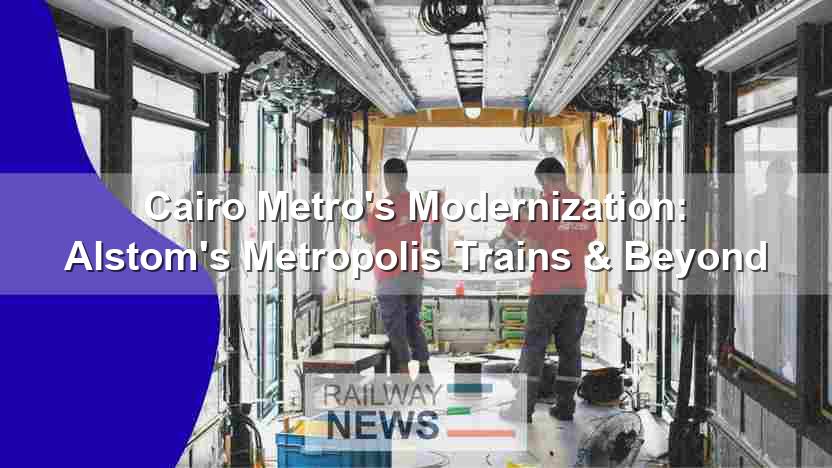
This article examines the significant modernization project underway on Cairo Metro Line 1, focusing on the substantial contract awarded to Alstom and the broader implications for Egyptian railway infrastructure. The project encompasses not only the delivery of new, high-capacity Metropolis trains but also a detailed eight-year maintenance program and strategic partnerships aimed at improving efficiency, passenger experience, and overall operational capabilities. This modernization is crucial for Cairo, a city grappling with rapid population growth and increasing demand for efficient public transportation. The analysis explores the technical specifications of the new rolling stock, the technological advancements integrated into the system, the financial aspects of the deal, and the collaborative efforts between Alstom, the National Authority for Tunnels (NAT), and the Egyptian Company for Metros (ECM). Additionally, the article explores the wider context of this project, situating it within a larger trend of infrastructure upgrades across Egypt’s railway network.
Alstom’s Metropolis Trains: A Technological Leap for Cairo Metro Line 1
Alstom’s contract with NAT involves the supply of 55 Metropolis trains, each comprising nine cars and boasting a passenger capacity of 2,580. This represents a substantial increase in capacity for Line 1, currently transporting nearly 2.5 million passengers daily. The interior design prioritizes passenger comfort and convenience, featuring wide corridors and dedicated spaces for female passengers. The trains incorporate Alstom’s eco-design principles, aiming for enhanced energy efficiency and high recyclability (up to 98%). Crucially, the Metropolis trains are equipped with advanced digital solutions, including real-time passenger information systems, route maps, video displays, and detailed video surveillance. The implementation of Alstom’s HealthHub™, a condition-based predictive maintenance system, promises significant cost savings through optimized material usage and reduced preventive maintenance labor.
Maintenance and Training: A Long-Term Investment in Sustainability
The eight-year maintenance program accompanying the train delivery is a critical element of the project. This long-term commitment ensures the continued operational efficiency and reliability of the modernized Line 1. Maintenance activities will be centralized at a depot in Cairo, facilitating efficient management and reducing logistical complexities. Moreover, Alstom’s collaboration with the Egyptian Company for Metros (ECM), the operator of Line 1, underscores the commitment to knowledge transfer and capacity building. A detailed training and development plan will equip local personnel with the skills needed to maintain and operate the new trains, ensuring the long-term sustainability of the project.
Financial Aspects and International Collaboration
The contract’s value stands at a substantial $1.01 billion (€876 million), reflecting the scale and complexity of the Cairo Metro Line 1 modernization. The financing, secured through an agreement between France and Egypt, highlights the international cooperation involved in supporting this crucial infrastructure development. The project also aligns with broader efforts to modernize Egypt’s railway network, as evidenced by the framework agreement between Alstom and the Egyptian National Railways Authority (ENR) to upgrade the Tanta – Zifta – Zagazig mainline. This demonstrates a commitment to a holistic approach to improving Egypt’s rail infrastructure.
CAF’s Contribution and Broader Infrastructure Developments
Beyond Alstom’s involvement, CAF Group has secured a separate contract with NAT to renew 23 existing units on Cairo Metro Line 1, valued at $208.82 million (€180 million). This contract, supported by Spanish funding from the FIEM (Enterprise Internationalisation Fund), further underscores the significant international investment in enhancing Cairo’s public transport system. The concurrent projects highlight a multi-faceted approach to modernization, involving different suppliers and international collaborations to address the immediate needs of Line 1 while simultaneously planning for broader network enhancements. The inclusion of CAF, another major player in the rail industry, emphasizes a competitive yet collaborative approach to improving Egypt’s rail infrastructure.
Conclusion
The modernization of Cairo Metro Line 1, spearheaded by Alstom’s significant contract and complemented by CAF’s contribution, marks a crucial step in enhancing Egypt’s public transportation capabilities. The project extends beyond the simple delivery of new trains; it incorporates a holistic strategy encompassing long-term maintenance, detailed training programs, and substantial financial investment. The integration of advanced technologies, such as Alstom’s HealthHub™ predictive maintenance system and the focus on eco-design, demonstrates a commitment to both efficiency and sustainability. The collaboration between Alstom, NAT, ECM, and other international partners underscores the importance of international cooperation in supporting large-scale infrastructure projects. This ambitious undertaking serves as a model for future railway modernization projects, highlighting the potential for significant improvements in passenger experience, operational efficiency, and the overall economic benefit derived from a robust and reliable public transport system. The success of this project will not only alleviate the pressure on Cairo’s existing transport network but also serve as a catalyst for further modernization efforts across the Egyptian railway system, potentially impacting millions of commuters daily. The focus on technology, sustainability, and collaborative partnerships sets a high benchmark for future rail infrastructure developments globally.

Railway infrastructure, rolling stock and transport technologies specialist focused on global rail industry developments, high-speed rail systems, signaling technologies and freight transportation. Covering railway investments, public transport modernization, rail operations and international mobility projects across Europe, Asia and North America.
RELATED POSTS

October 8, 2026 1:15 pm
Alstom secured a €1bn contract to build 13 automated trains,...

October 1, 2026 7:09 am
United States regulators confirmed a September 30 deadline for the...

October 8, 2026 12:18 pm
Siemens Mobility signed an agreement with VinSpeed to supply 350...

October 4, 2026 5:14 pm
Alstom secured a CA$4.7 billion order from VIA Rail Canada...

October 5, 2026 6:12 pm
AECOM and Jacobs secured a contract in September 2026 to...

October 4, 2026 11:08 pm
Sound Transit confirmed the September 30 opening of Seattle Pinehurst...