
CAF’s €100M+ Transit Wins: Athens & Seville Upgrades
This article highlights Construcciones y Auxiliar de Ferrocarriles (CAF)’s significant contracts in Athens, Greece, and Seville, Spain, securing over €100 million for modernizing public transportation systems. These projects showcase CAF’s expertise in metro refurbishment, new tram unit production, and long-term maintenance services, emphasizing sustainability, accessibility, and technological advancements across Europe.
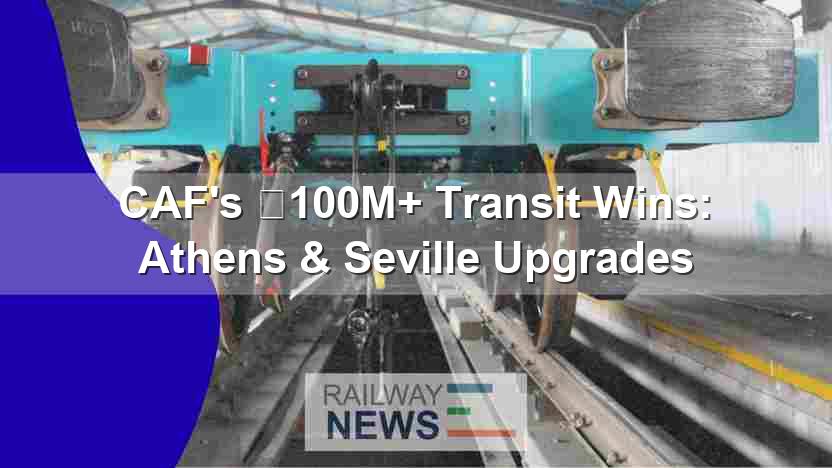
This article explores the recent successes of Construcciones y Auxiliar de Ferrocarriles (CAF), a leading rolling stock manufacturer, in securing significant contracts for the modernization and expansion of public transportation systems in Athens, Greece, and Seville, Spain. These projects highlight the growing demand for advanced, sustainable, and accessible public transit solutions across Europe. The contracts, totaling over €100 million, showcase CAF’s expertise in diverse areas, including metro refurbishment, new tram unit production, and long-term maintenance services. We will examine the specifics of each contract, analyze the technological advancements involved, and discuss the broader implications of these projects for urban mobility and the railway industry as a whole. The analysis will delve into the challenges and opportunities presented by these projects, considering factors such as sustainability, accessibility, and the integration of Intelligent Transportation Systems (ITS).
Athens Metro Line 1 Refurbishment
CAF secured a €70 million contract from Stasy, the Athens transport operator, for the detailed refurbishment of 14 metro units currently operating on Line 1 (Green Line), Athens’ oldest metro line. This project entails a complete overhaul of the existing rolling stock, focusing on several key areas. The aging traction equipment will be replaced with CAF Power & Automation systems, incorporating modern, energy-efficient motors to reduce operational costs and environmental impact. Additionally, the braking systems, door control mechanisms, and passenger information systems will be upgraded to enhance safety, reliability, and passenger experience. Accessibility improvements are also a key component, with modifications to improve access for passengers with reduced mobility. This ambitious project, expected to take 34 months to complete, represents a significant investment in improving the reliability and passenger comfort of Athens’ vital metro network. The modernization efforts directly address the needs of a growing urban population, improving the overall efficiency and sustainability of the city’s public transport system.
Seville Tram Expansion
In Seville, CAF has won a contract to supply two new five-module, low-floor trams for the city’s tram network, along with a 30-year maintenance agreement. This contract, with an option for additional units, underscores the growing popularity of trams as a sustainable and efficient mode of urban transport. A noteworthy feature of these new trams is the inclusion of an onboard energy storage system. This technology allows the trams to operate on sections of track without overhead power lines, offering greater flexibility in route planning and expanding the network’s reach into areas where overhead line infrastructure is impractical or cost-prohibitive. This innovative approach to tram design demonstrates CAF’s commitment to providing cutting-edge solutions that address the specific needs of individual cities. The addition of these modern, accessible trams will significantly enhance Seville’s public transportation capabilities, supporting the city’s sustainability goals and promoting efficient urban mobility.
Technological Advancements and Sustainability
Both projects showcase CAF’s commitment to incorporating advanced technologies and sustainable practices. The Athens metro refurbishment emphasizes energy efficiency through the installation of modern traction equipment and the improved braking systems. Similarly, the Seville trams’ onboard energy storage system reduces reliance on overhead lines, minimizing environmental impact and enabling greater operational flexibility. These advancements underscore the importance of integrating sustainable technologies into public transport solutions, contributing to a greener urban environment and reduced carbon emissions. Additionally, the emphasis on accessibility in both projects highlights the increasing focus on inclusive design within the railway industry.
Implications for the Railway Industry
These contracts demonstrate a growing trend in the railway industry towards modernization and expansion of existing networks, along with the incorporation of innovative technologies. CAF’s success in securing these significant projects highlights its position as a leading player in the European railway market. The demand for energy-efficient, accessible, and technologically advanced rolling stock is on the rise, driven by the need to address the challenges of urbanization and climate change. These projects showcase the importance of strategic partnerships between cities and railway manufacturers to improve public transit infrastructure, fostering sustainable urban development and enhancing the quality of life for urban populations. The success of CAF further highlights the critical role of innovation and investment in shaping the future of railway systems, meeting the evolving needs of passengers and society as a whole.
Conclusions
To summarize, CAF’s recent contract wins in Athens and Seville represent significant milestones in the modernization and expansion of European public transport systems. The €70 million Athens metro refurbishment project showcases CAF’s ability to revitalize existing infrastructure, enhancing efficiency, accessibility, and sustainability. The Seville tram contract, on the other hand, highlights the company’s expertise in delivering innovative, energy-efficient, and flexible tram solutions. Both projects underscore the increasing importance of incorporating advanced technologies, such as onboard energy storage systems and improved accessibility features, into public transit infrastructure. These initiatives are not merely about replacing old equipment; they represent a broader commitment to sustainable urban development and the creation of efficient, accessible, and environmentally friendly public transportation networks. The success of CAF in securing these contracts points to a larger trend within the railway industry: a growing demand for modernization, innovation, and sustainable solutions to address the challenges of urbanization and climate change. The commitment to passenger experience, alongside technical innovation, underscores a critical shift towards passenger-centric design in modern rail systems, marking a significant step forward in the industry’s evolution. The ongoing demand for these types of projects highlights the importance of continued investment in research and development within the railway sector to meet the evolving needs of cities and their inhabitants.

Railway infrastructure, rolling stock and transport technologies specialist focused on global rail industry developments, high-speed rail systems, signaling technologies and freight transportation. Covering railway investments, public transport modernization, rail operations and international mobility projects across Europe, Asia and North America.
RELATED POSTS

October 8, 2026 1:15 pm
Alstom secured a €1bn contract to build 13 automated trains,...

October 1, 2026 7:09 am
United States regulators confirmed a September 30 deadline for the...

October 8, 2026 12:18 pm
Siemens Mobility signed an agreement with VinSpeed to supply 350...

October 4, 2026 5:14 pm
Alstom secured a CA$4.7 billion order from VIA Rail Canada...

October 5, 2026 6:12 pm
AECOM and Jacobs secured a contract in September 2026 to...

October 4, 2026 11:08 pm
Sound Transit confirmed the September 30 opening of Seattle Pinehurst...