
Bulgaria Rail Revolution: Competition, Rolling Stock & Future Trends
Bulgaria opens passenger rail to competition, modernizing rolling stock and maintenance. New contracts aim for efficiency, attracting new operators.
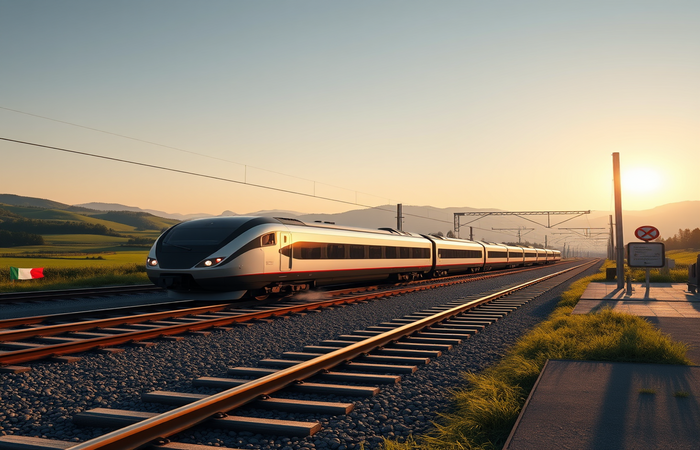
Bulgaria Opens Passenger Rail Services to Competition, Eyes Rolling Stock Overhaul
The Bulgarian Ministry of Transport and Communications has launched a public consultation on the conditions for awarding contracts for passenger rail services. This initiative, announced on June 9, 2025, by Minister Grozdan Karadjov, aims to introduce competition into the passenger rail sector, a move designed to modernize and improve efficiency. The consultation outlines plans for how regional operators will bid for contracts across three distinct zones within Bulgaria, covering the entire nation. The primary goal of this restructuring is to foster competition and attract experienced rail operators while ensuring operational stability and protecting worker rights. This article will delve into the specifics of the proposed framework, including contract durations, rolling stock allocation, maintenance restructuring, and the implications for both existing operators and the wider rail industry.
Regional Competition: A Three-Tiered Approach
The Ministry’s plan divides Bulgaria into three operational zones. Two regions will be open to all applicants, encouraging competitive bidding for passenger rail service provision. A third region will be reserved for operators with proven experience within the rail sector. This three-pronged approach allows for a controlled introduction of competition, enabling the government to attract both established rail companies and new entrants, while ensuring existing operators have an equal chance to participate. Contracts will be awarded for a 12-year period, providing stability for successful bidders while encouraging investment in infrastructure and services. The intention is to stimulate improvements in service quality, efficiency, and ultimately, passenger satisfaction.
Rolling Stock Allocation and Modernization
A crucial aspect of the new framework involves the allocation of rolling stock. Coaches, locomotives, and multiple units (MUs) procured by the state since 2009 will be distributed among the winning operators, based on the volume of services they provide. This equitable distribution ensures that all operators have the necessary equipment to fulfil their contractual obligations. Complementing this, BDZ (Bulgarian State Railways), the incumbent national rail operator, is currently undergoing a detailed rolling stock renewal program. This includes the acquisition of 20 electric multiple units (EMUs) from Škoda, a contract valued at EUR 256 million which also includes a 15-year maintenance agreement. Additionally, a EUR 720 million contract has been awarded to the BULEMU consortium for the supply of 35 Coradia Stream interregional electric trains, with a 15-year maintenance component. These investments are designed to modernize the fleet and enhance the overall passenger experience.
Restructuring Maintenance Operations
A significant element of the proposed reforms centers on the restructuring of rolling stock maintenance. The Ministry plans to create a separate entity that will be responsible for all repair and maintenance operations currently conducted by BDZ. This new company will provide maintenance services on an equal and non-discriminatory basis to all rail operators. This separation aims to foster greater efficiency and specialization in maintenance, reducing operational costs and improving the reliability of rolling stock. Discussions with trade unions will be held in the coming period to finalize the details of this restructuring, including the terms and conditions of employment for the affected workforce. The goal is to ensure a smooth transition and maintain high standards of quality and safety.
Protecting Workers’ Rights and Ensuring Continuity
Recognizing the importance of protecting the workforce during this transition, the Ministry has emphasized its commitment to safeguarding employees’ rights. A key requirement of the new contracts will mandate that all existing staff are retained upon the commencement of operations by the new contractors. The existing collective labour agreement will remain in force throughout the contract duration, preserving current employment terms and conditions. This ensures that the transition to the new operational framework does not come at the expense of the existing workforce. Moreover, the transfer of employment relationships from the current operator will be conducted in line with current legislation as dictated by the Bulgarian Labour Code.
Conclusion
Bulgaria’s initiative to introduce competition into its passenger rail services represents a significant step towards modernization and increased efficiency within the national rail network. The three-tiered approach to awarding contracts, combined with a focus on rolling stock modernization and maintenance restructuring, sets the stage for a more dynamic and competitive environment. The emphasis on protecting worker rights, through staff retention mandates and the continuation of existing collective bargaining agreements, is a crucial element in ensuring a smooth transition. The substantial investments in new rolling stock, including the Škoda EMUs and the Coradia Stream trains, will enhance passenger comfort and boost operational capabilities. The industry implications are significant; attracting experienced operators will inject new expertise and best practices, potentially driving innovation and service improvements across the network. The success of this reform hinges on effective implementation, transparent contract management, and ongoing collaboration between the Ministry, operators, and trade unions. The long-term outlook points towards a more efficient, passenger-focused, and competitive rail sector in Bulgaria, capable of meeting the evolving transportation demands of the country.

Railway infrastructure, rolling stock and transport technologies specialist focused on global rail industry developments, high-speed rail systems, signaling technologies and freight transportation. Covering railway investments, public transport modernization, rail operations and international mobility projects across Europe, Asia and North America.
RELATED POSTS

October 1, 2026 7:09 am
United States regulators confirmed a September 30 deadline for the...

October 8, 2026 1:15 pm
Alstom secured a €1bn contract to build 13 automated trains,...

October 4, 2026 5:14 pm
Alstom secured a CA$4.7 billion order from VIA Rail Canada...

October 1, 2026 12:13 am
Illinois approved $1.5 billion annually for the Northern Illinois Transit...

October 6, 2026 2:14 am
Union Pacific launched export rail shipments with Ferromex to deliver...

October 1, 2026 6:10 am
Amtrak approved a System Expansion Committee on July 30 to...