
Bourgogne-Franche-Comté: CAF-Alstom Rail Upgrade & Passenger Comfort
France’s Bourgogne-Franche-Comté region orders 14 new Coradia Polyvalent trains from CAF-Alstom. Modernizing regional rail network with electric and bi-mode options.
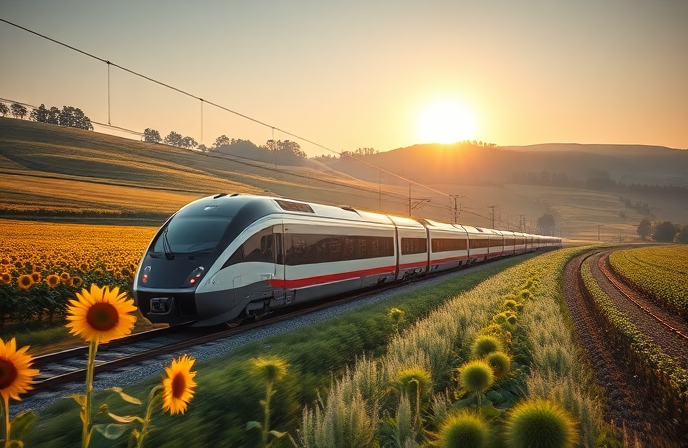
Bourgogne-Franche-Comté Region Orders 14 New Coradia Polyvalent Trains from CAF-Alstom Consortium
The Bourgogne-Franche-Comté region in France is set to bolster its regional rail network with a significant investment in modern train technology. In a deal valued at an undisclosed sum, the region has placed an order for 14 new Coradia Polyvalent regional trains. This purchase, announced recently, represents a collaborative effort between the consortium of CAF (Construcciones y Auxiliar de Ferrocarriles) and Alstom. The contract specifies that CAF will lead the design and manufacturing, while Alstom will supply specific equipment. The order includes a mix of electric and bi-mode trains designed to enhance passenger comfort and operational efficiency. This new investment signifies a commitment to modernizing the regional rail network, offering improved services, and contributing to the development of sustainable transport options. This article will explore the details of the order, the technical specifications of the new trains, the collaborative efforts of CAF and Alstom, and the regional impact of this significant investment.
A Mixed Fleet for Enhanced Service
The order comprises two distinct train types designed to serve different regional needs. Five six-car electric Intercités trains will be introduced, each boasting a seating capacity of 355 passengers. These trains are designed for longer-distance, high-capacity routes, providing comfortable travel options for passengers. In addition, the region is acquiring nine four-car bi-mode TER (Transport Express Régional) trains, accommodating 228 passengers each. The bi-mode capability allows these trains to operate on both electrified and non-electrified lines, enhancing operational flexibility. This mixed fleet strategy allows the region to cater to the needs of diverse routes and passenger demands efficiently. The investment reflects a strategic approach to enhancing the rail network’s operational capabilities and passenger capacity.
Passenger Comfort and Accessibility as Priorities
The new Coradia Polyvalent trains are designed with passenger comfort and accessibility as paramount considerations. Significant features include large windows for enhanced viewing, indirect LED interior lighting to create a pleasant environment, and comfortable seating equipped with armrests, reading lights, and power outlets. Additionally, the design adheres to the highest standards for PRM (Persons with Reduced Mobility) accessibility. This includes enlarged toilet areas and other facilities specifically designed to facilitate the movement and comfort of passengers with mobility impairments. This approach aligns with the broader rail industry trends, which place an emphasis on passenger comfort, convenience, and overall journey experience, fostering the growth of regional rail travel by making it more appealing for a wider range of users.
Technical Specifications and Manufacturing Partnership
The nine TER trains incorporate specific features, including an additional parking brake for enhanced safety and pre-installation for the ETCS (European Train Control System). The ETCS is a crucial component of the European Rail Traffic Management System (ERTMS), which enhances safety and improves cross-border interoperability. These Coradia Polyvalent trains will be manufactured at CAF’s Reichshoffen plant in Alsace, France. This plant, acquired by CAF in 2022, has been the focus of significant investment, amounting to nearly EUR 10 million per year, for modernisation and expansion. The Reichshoffen facility primarily focuses on the production of long trains, exceeding 50 meters in length. This ongoing investment underscores CAF’s commitment to the French market and its capacity to fulfil demanding customer requirements. The Coradia Polyvalent platform itself emphasizes modularity in architecture, motorisation, and interior design, allowing operators to tailor the trains to their specific route and passenger needs.
Industry Performance and Future Outlook
The Coradia Polyvalent platform is a well-established and proven technology within the French railway system. To date, French regions have ordered almost 450 trains of this type, with approximately 400 already in commercial service. This extensive operational experience has demonstrated high levels of reliability and availability, representing a key factor in the decision-making process for the Bourgogne-Franche-Comté region. The addition of these new trains will complement the region’s existing fleet of 48 trains. This investment further strengthens the partnership between CAF and Alstom, building on the agreements established after CAF’s acquisition of the Reichshoffen plant. The ongoing investment in modernizing the infrastructure demonstrates a proactive approach to meeting the evolving demands of the railway sector, prioritizing passenger comfort, and bolstering the regional rail network’s capabilities.
Conclusion
The recent order placed by the Bourgogne-Franche-Comté region for 14 Coradia Polyvalent trains represents a substantial investment in the future of regional rail transport. The procurement of a mixed fleet, comprising electric Intercités and bi-mode TER trains, reflects a strategic approach to meeting diverse route requirements and passenger demands. This strategic initiative not only boosts transport capacity but also shows a commitment to providing passengers with a comfortable and accessible travel experience. The partnership between CAF and Alstom, combined with CAF’s significant investment in its Reichshoffen plant, highlights the collaborative effort and production capabilities crucial for the project’s success. Additionally, the proven reliability and adaptability of the Coradia Polyvalent platform reinforce its standing as a viable solution for regional transport modernization.
This project highlights the importance of the ongoing modernization efforts within the French railway sector and the crucial role of innovation, accessibility, and strategic planning in shaping the future of transport. With a well-established base of operations, the region is poised to witness enhancements in regional rail transport, thus paving the way for better connectivity, passenger comfort, and operational efficiency.
Company Summary
CAF (Construcciones y Auxiliar de Ferrocarriles): A global leader in railway manufacturing, CAF designs, manufactures, and services a wide range of railway vehicles, including high-speed trains, commuter trains, trams, and metros. With a strong presence in the European market and a growing international footprint, CAF is committed to providing sustainable and innovative transport solutions. The company’s acquisition and investment in the Reichshoffen plant demonstrates its commitment to the French market and its ability to deliver specialized railway vehicles for diverse operational needs. CAF is focused on expanding its product range and providing detailed railway solutions.

Railway infrastructure, rolling stock and transport technologies specialist focused on global rail industry developments, high-speed rail systems, signaling technologies and freight transportation. Covering railway investments, public transport modernization, rail operations and international mobility projects across Europe, Asia and North America.
RELATED POSTS

October 1, 2026 7:09 am
United States regulators confirmed a September 30 deadline for the...

October 4, 2026 5:14 pm
Alstom secured a CA$4.7 billion order from VIA Rail Canada...

October 8, 2026 1:15 pm
Alstom secured a €1bn contract to build 13 automated trains,...

October 1, 2026 12:13 am
Illinois approved $1.5 billion annually for the Northern Illinois Transit...

October 6, 2026 2:14 am
Union Pacific launched export rail shipments with Ferromex to deliver...

October 1, 2026 6:10 am
Amtrak approved a System Expansion Committee on July 30 to...