
Bombardier Aventra: Elizabeth Line Capacity Expansion
The Elizabeth Line’s expansion with five more Bombardier Aventra trains boosts capacity and efficiency. Discover how this strategic investment in cutting-edge rail technology shapes the future!
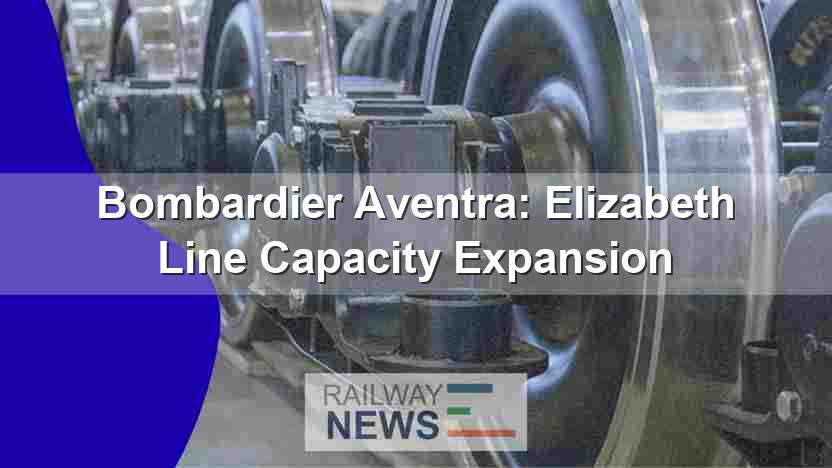
This article examines the strategic decision by Transport for London (TfL) to expand the Elizabeth line’s (Crossrail) fleet with an additional five Bombardier Aventra trains. The £73 million contract, bringing the total order to 70 units, highlights the crucial role of rolling stock procurement in ensuring the success of major rail infrastructure projects. We will analyze the factors influencing this decision, focusing on the capacity requirements of the Elizabeth line, the technological advancements incorporated in the Aventra trains, and the broader implications for future rail projects in the UK and beyond. This exploration explores the operational efficiency, passenger capacity, and technological sophistication that underpin modern railway systems, ultimately demonstrating the intricate planning and investment necessary for a successful and sustainable rail network.
Increased Capacity and Operational Efficiency
The expansion of the Elizabeth line fleet by five nine-car Aventra trains underscores the need for increased capacity to meet anticipated passenger demand. The Elizabeth line, upon full completion, is projected to transport over 200 million passengers annually. The initial fleet size, while significant, needed augmentation to handle the expected ridership, particularly after the extension to Heathrow Airport Terminal 5 and Reading. The additional trains directly address potential overcrowding, improving passenger comfort and the overall operational efficiency of the line by providing greater service frequency and reliability. This expansion demonstrates a proactive approach by TfL in managing projected growth and maintaining service quality.
Technological Advancements in Aventra Trains
The chosen Aventra trains are not simply additional carriages; they represent a significant advancement in rolling stock technology. Equipped with Bombardier’s ORBITA predictive maintenance system and Automated Vehicle Inspection System (AVIS), these trains incorporate cutting-edge technologies designed to optimize maintenance schedules, minimize downtime, and enhance overall reliability. The energy-efficient design, along with air conditioning, further enhances the passenger experience and reduces the environmental impact of the railway operations. The integration of these systems reflects a shift towards data-driven, proactive maintenance strategies, leading to substantial cost savings and improved operational performance across the network.
Strategic Implications for Future Rail Projects
The TfL’s decision to expand the Elizabeth line’s fleet provides valuable insights for future rail projects. The careful consideration of anticipated passenger demand, the selection of technologically advanced rolling stock, and the proactive approach to capacity planning serve as best practices for other major infrastructure developments. The success of the Elizabeth line, in part fueled by this commitment to modern rolling stock, underscores the importance of robust planning and strategic investment in efficient and reliable rail systems. This approach is vital for ensuring the long-term sustainability and success of any railway project, large or small.
Bombardier’s Role and the Derby Facility
The contract awarded to Bombardier Transportation highlights the importance of domestic manufacturing capacity in the UK rail industry. The construction of the additional Aventra trains at Bombardier’s Derby facility supports local employment and reinforces the UK’s capability to deliver advanced rolling stock. This partnership between TfL and Bombardier underscores the value of collaboration between public and private sectors in delivering complex infrastructure projects. The successful delivery of these additional units further solidifies Bombardier’s position as a key player in the UK rail market.
Conclusion
The decision by TfL to procure five additional Bombardier Aventra trains for the Elizabeth line signifies more than simply expanding the fleet; it represents a strategic investment in the long-term success of this vital transportation artery. The expansion directly addresses the growing need for increased capacity, enhancing both operational efficiency and passenger experience. The incorporation of advanced technologies such as ORBITA and AVIS showcases a commitment to proactive maintenance and improved reliability. This project serves as a compelling case study in effective rail planning, highlighting the importance of accurately forecasting passenger demand, strategically selecting advanced rolling stock, and fostering collaboration between public and private sector partners. The success of this expansion will undoubtedly shape future rail projects, promoting the adoption of similar strategies to ensure the sustainable growth and efficiency of rail networks worldwide. The Elizabeth line’s expansion, through its focus on capacity, technology, and strategic partnership, sets a new benchmark for future rail development, emphasizing a passenger-centric approach supported by innovative engineering and efficient management.

Railway infrastructure, rolling stock and transport technologies specialist focused on global rail industry developments, high-speed rail systems, signaling technologies and freight transportation. Covering railway investments, public transport modernization, rail operations and international mobility projects across Europe, Asia and North America.
RELATED POSTS

October 1, 2026 7:09 am
United States regulators confirmed a September 30 deadline for the...

October 1, 2026 12:13 am
Illinois approved $1.5 billion annually for the Northern Illinois Transit...

October 1, 2026 6:10 am
Amtrak approved a System Expansion Committee on July 30 to...
October 1, 2026 3:12 am
Greenbrier confirmed Brian Comstock as new president and CEO effective...
October 1, 2026 4:10 am
DART launched two public ridership dashboards in March 2026 to...
October 1, 2026 5:14 am
Siemens confirmed delivery of the first new S200 train to...