
Bogotá Metro Rail Yard: Urban Mobility’s Foundation
The construction of Bogotá’s first metro line rail yard is a monumental undertaking that represents significant investment in Colombia’s infrastructure, signaling a shift towards modern urban transit and promising improved mobility for citizens while creating substantial job opportunities.
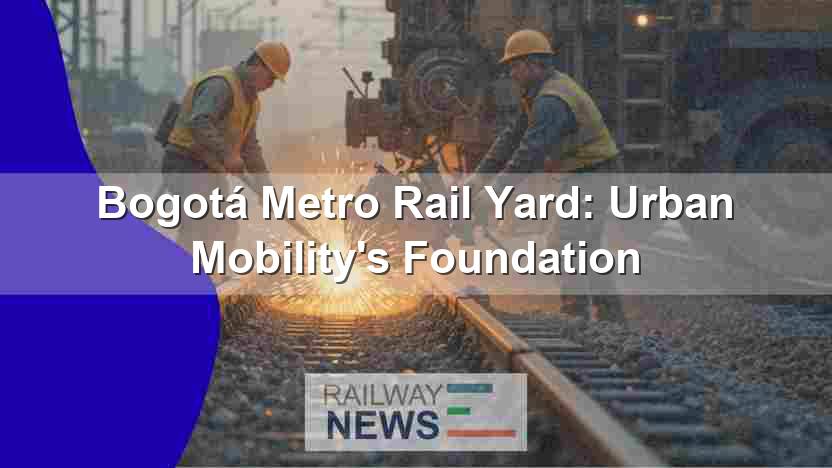
This article explores the significant undertaking of constructing the rail yard for Bogotá’s first metro line, a crucial step in realizing a long-awaited public transportation solution for the city. The project, spearheaded by a consortium of Chinese companies – China Harbor Engineering Company and Xi’an Metro Company – represents a substantial investment in Colombia’s infrastructure and signifies a major shift towards modern, efficient urban transit. The scale of the project is immense, promising not only improved mobility and reduced commute times for Bogotá’s citizens but also a considerable boost to the local economy through job creation and the involvement of local businesses. This analysis will examine the project’s scope, its economic implications, the technological considerations involved in constructing a modern rail yard, and the long-term impact on Bogotá’s urban landscape and its residents. We will further explore the international collaboration and financial support that underpins this ambitious endeavor, highlighting the crucial role of multilateral development banks in fostering infrastructure development in emerging economies.
The Bogotá Metro Rail Yard: A Foundation for Urban Mobility
The construction of the rail yard is not simply a logistical exercise; it represents the foundational element of Bogotá’s nascent metro system. This facility, responsible for train storage, maintenance, and cleaning, is vital for the efficient and reliable operation of the entire network. The design and construction must incorporate advanced technologies to optimize train throughput, minimize downtime for maintenance, and ensure the longevity of the rolling stock (trains). The scale of the yard, designed to accommodate up to 60 trains upon completion of the northward expansion, speaks to the ambition of the project and its capacity to serve a substantial portion of Bogotá’s population.
Economic Impacts and Job Creation
Beyond its transportation function, the metro project presents a significant economic stimulus for Bogotá. The construction phase alone is expected to generate over 17,000 direct jobs and thousands more indirect jobs across various sectors, from construction and engineering to logistics and supply chains. Additionally, the project’s commitment to engaging at least nine local companies underscores the intention to foster economic growth within the city. This emphasis on local participation not only boosts employment but also cultivates expertise and capacity within Colombia’s construction and engineering sectors, creating a lasting legacy beyond the completion of the rail yard itself. The ripple effect of this economic activity is likely to extend to surrounding businesses and communities, contributing to a broader revitalization of the city.
International Collaboration and Financing
The Bogotá Metro project is a prime example of international cooperation in infrastructure development. The involvement of Chinese companies demonstrates the increasing global participation in large-scale infrastructure projects. The financial backing provided by the World Bank ($70 million initial funding towards a total of $600 million requested), the Inter-American Development Bank, and the European Investment Bank highlights the international community’s recognition of the project’s importance in addressing Bogotá’s transportation needs and promoting sustainable urban development. This collaborative model, combining expertise and financial resources from diverse sources, serves as a blueprint for future large-scale infrastructure projects in developing countries.
Technological Advancements and Sustainability
The construction of the rail yard provides an opportunity to integrate cutting-edge technologies for enhanced efficiency and sustainability. This includes the potential implementation of energy-efficient systems within the maintenance facilities, smart monitoring systems for real-time tracking of train operations and maintenance needs, and the use of sustainable materials in the construction process. A focus on environmental sustainability is crucial, not only to mitigate the environmental impact of the construction but also to establish a benchmark for future metro expansions. Additionally, integration with existing and future transit systems is essential to create a truly seamless and efficient urban transportation network.
Conclusion
The construction of the Bogotá Metro rail yard marks a pivotal moment in the city’s development. This project transcends its immediate function as a train maintenance facility; it represents a significant investment in Bogotá’s future, driving economic growth, improving urban mobility, and fostering international collaboration. The creation of thousands of jobs, the participation of local companies, and the financial support from international development banks all contribute to a positive economic impact. The project’s scale and ambition, aiming to eventually accommodate 60 trains, showcase the commitment to providing a high-capacity, efficient, and sustainable public transportation system. The successful completion of this project will serve as a model for other cities facing similar challenges in meeting the increasing demands of urban growth while striving for sustainable and environmentally conscious development. The integration of advanced technologies and sustainable practices will not only enhance the efficiency of the metro system but also set a new standard for urban infrastructure projects in Latin America and beyond. Ultimately, the Bogotá Metro represents a transformation of the city’s urban landscape, improving the quality of life for its citizens, and solidifying its position as a modern and progressive metropolis.

Railway infrastructure, rolling stock and transport technologies specialist focused on global rail industry developments, high-speed rail systems, signaling technologies and freight transportation. Covering railway investments, public transport modernization, rail operations and international mobility projects across Europe, Asia and North America.
RELATED POSTS

October 8, 2026 1:15 pm
Alstom secured a €1bn contract to build 13 automated trains,...

October 1, 2026 7:09 am
United States regulators confirmed a September 30 deadline for the...

October 8, 2026 12:18 pm
Siemens Mobility signed an agreement with VinSpeed to supply 350...

October 4, 2026 5:14 pm
Alstom secured a CA$4.7 billion order from VIA Rail Canada...

October 5, 2026 6:12 pm
AECOM and Jacobs secured a contract in September 2026 to...

October 4, 2026 11:08 pm
Sound Transit confirmed the September 30 opening of Seattle Pinehurst...