
Battery-Electric Trains: Revolutionizing Rail
The recent trial of converting a diesel-powered intercity train to battery-electric operation by Hitachi Rail, TransPennine Express (TPE), and Angel Trains in the UK showcases significant technological advancements, demonstrating that existing rolling stock can be retrofitted with substantial emission reduction potential without requiring extensive capital investment or logistical challenges. This case study highlights the feasibility of battery-electric technology for decarbonizing rail networks and enhancing operational efficiency on non-electrified lines, offering valuable insights into the economic benefits
Introduction
The railway industry faces increasing pressure to reduce its environmental impact and operational costs. Electrification remains the most efficient solution for reducing emissions, but the significant capital investment required and the logistical challenges associated with widespread electrification projects often prove prohibitive. This article explores a promising alternative: the conversion of existing diesel-powered intercity trains to battery-electric operation. Specifically, we will examine the recent trial conducted by Hitachi Rail, TransPennine Express (TPE), and Angel Trains in the UK, focusing on the technological advancements, economic considerations, and environmental implications of this pioneering initiative. This case study provides valuable insights into the feasibility and potential of battery-electric technology in decarbonizing the rail network and enhancing operational efficiency, particularly on lines lacking full electrification.
Battery-Electric Conversion: A Technological Leap
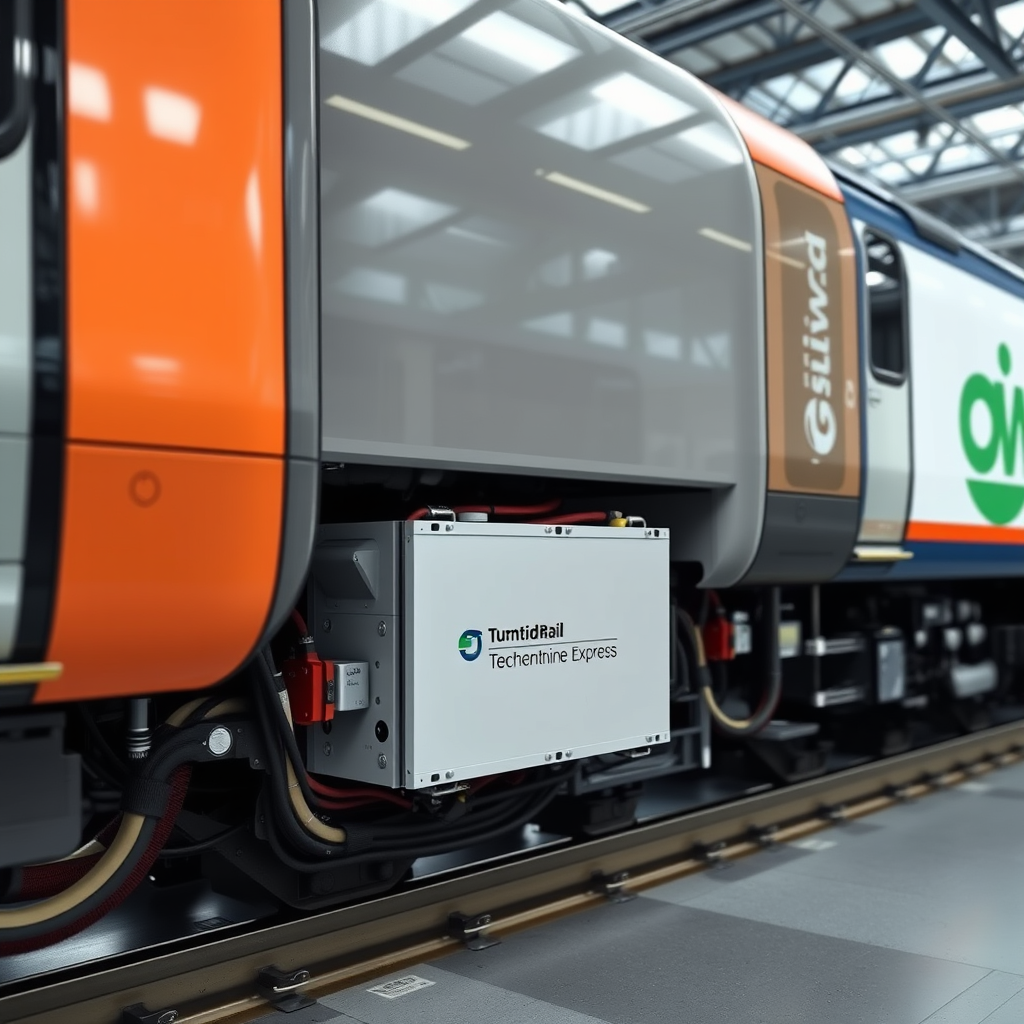
The trial involves the conversion of a Class 802 (Nova 1) intercity train, replacing its diesel engine with a 700 kW battery system manufactured by Turntide Technologies in Sunderland, UK. This represents a significant technological advancement, demonstrating the capacity to retrofit existing rolling stock with substantial emission reduction potential. The 700 kW battery allows the train to operate in purely electric mode for up to 100 km (approximately 62 miles), bridging non-electrified sections of intercity routes. This capability is crucial for extending the reach of electrified networks without the massive expense of complete line electrification. The successful integration of this large-scale battery system into an existing train highlights the maturity of battery technology and its applicability to the demanding environment of mainline railway operations.
Economic and Operational Benefits
The conversion is projected to achieve approximately a 30% reduction in both emissions and fuel costs. This economic advantage stems from the lower operating costs of battery-electric trains compared to their diesel counterparts, including reduced fuel consumption and maintenance expenses. Additionally, the ability to operate in battery mode at non-electrified stations improves air quality and reduces noise pollution, enhancing the passenger experience and potentially boosting ridership. This economic viability, combined with the environmental benefits, makes battery conversion a compelling proposition for railway operators seeking to modernize their fleets and meet sustainability targets.
Environmental Impact and Sustainability
The project directly addresses environmental concerns within the rail industry. By replacing diesel engines with battery power, the trial significantly reduces greenhouse gas emissions, contributing to a cleaner and more sustainable transportation sector. The reduced noise pollution from battery operation improves the quality of life for communities located near railway lines. This project highlights the potential of battery technology in achieving significant emissions reductions across the railway network, offering a pathway towards a greener and more environmentally responsible railway system. The use of a battery manufactured in the UK also emphasizes the growth of domestic supply chains for sustainable technologies.
Collaboration and Future Prospects
The success of this trial is a testament to the collaborative efforts of Hitachi Rail, TPE, and Angel Trains. Hitachi Rail’s significant investment of over £15 million in research and development underscores the company’s commitment to battery-electric technology. The partnership with TPE demonstrates the willingness of railway operators to embrace innovative solutions to improve sustainability and efficiency. This collaborative model can serve as a blueprint for future projects aimed at decarbonizing the rail sector. The successful completion of this trial opens the door for wider adoption of battery conversion technology, potentially transforming intercity rail operations and paving the way for a more sustainable future for the railway industry. Further research and development will be crucial in optimizing battery capacity, lifespan, and charging infrastructure to fully realize the potential of this technology.
Conclusions
The successful trial of the UK’s first battery-converted intercity train marks a significant milestone in the railway industry’s journey towards decarbonization and improved operational efficiency. The conversion of a Class 802 train by Hitachi Rail, in collaboration with Transpennine Express and Angel Trains, demonstrates the technological feasibility and economic viability of replacing diesel engines with large-scale battery systems. The projected 30% reduction in emissions and fuel costs, coupled with the enhanced air quality and noise reduction at non-electrified stations, positions this technology as a compelling alternative to full-scale electrification projects. The project’s success showcases a collaborative approach that can be replicated across the industry. The trial also highlights the growing importance of domestic battery manufacturing and supply chains in the development of sustainable railway technologies. While further research and development are needed to optimize battery performance and charging infrastructure, this initiative presents a powerful example of how innovative technologies can revolutionize rail transport, contributing to a cleaner, more sustainable, and economically efficient railway system for the future. This approach represents a significant step toward a more environmentally friendly and cost-effective rail network, particularly in regions where full electrification may not be immediately feasible or economically justifiable. The potential for wider adoption of this technology promises a transformative impact on the railway industry’s sustainability and operational performance.

Railway infrastructure, rolling stock and transport technologies specialist focused on global rail industry developments, high-speed rail systems, signaling technologies and freight transportation. Covering railway investments, public transport modernization, rail operations and international mobility projects across Europe, Asia and North America.
RELATED POSTS

October 8, 2026 1:15 pm
Alstom secured a €1bn contract to build 13 automated trains,...

October 1, 2026 7:09 am
United States regulators confirmed a September 30 deadline for the...

October 8, 2026 12:18 pm
Siemens Mobility signed an agreement with VinSpeed to supply 350...

October 4, 2026 5:14 pm
Alstom secured a CA$4.7 billion order from VIA Rail Canada...

October 5, 2026 6:12 pm
AECOM and Jacobs secured a contract in September 2026 to...

October 4, 2026 11:08 pm
Sound Transit confirmed the September 30 opening of Seattle Pinehurst...