
Barrow Depot Upgrade: Boosting NW Rail Reliability
The significant upgrades at Northern’s Barrow-in-Furness light maintenance depot, including a new 75-meter servicing platform that allows for simultaneous servicing of up to three carriages, are directly linked to the introduction of six-car Class 195 trains on the Manchester Airport to Cumbria route, enhancing rail service reliability and passenger experience in the North West of England.
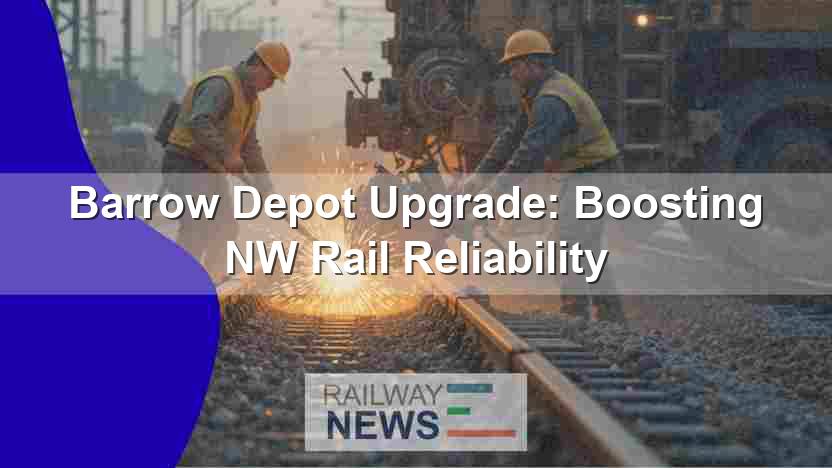
This article explores the significant upgrades undertaken at Northern’s Barrow-in-Furness light maintenance depot, focusing on the expansion of its servicing capabilities and the implications for improved rail service reliability in the North West of England. The improvements, driven by the Manchester Recovery Task Force (MRTF), are directly linked to the introduction of six-car Class 195 trains on the Manchester Airport to Cumbria route. This expansion necessitates a commensurate increase in maintenance capacity to ensure the smooth and efficient operation of the increased number of services and improved passenger experience. We will examine the specific upgrades implemented, the collaborative efforts involved in the project, and the broader impact on the region’s rail network. The case study also touches upon the broader trend of infrastructure upgrades to support the introduction of new rolling stock and increased service frequency, referencing similar projects in other regions.
Depot Upgrades and Capacity Expansion
The core upgrade at Barrow-in-Furness involved the construction of a new 75-meter servicing platform, significantly increasing the depot’s capacity. Previously able to handle only one train at a time, the new facility allows for simultaneous servicing of up to three carriages. This threefold increase in capacity is directly attributable to the introduction of six-car Class 195 trains on the Manchester Airport to Cumbria line. The expanded platform, coupled with improved fuel pumps and the installation of energy-efficient lighting, represents a substantial investment in the depot’s infrastructure. The addition of a steel canopy provides crucial shelter for both staff and equipment, enhancing operational efficiency and safety.
Collaboration and Timely Project Delivery
The successful completion of the Barrow-in-Furness depot upgrade highlights the importance of effective collaboration between various stakeholders. Northern worked closely with RTS Infrastructure Services (RTS) to execute the project. RTS’s Managing Director, Chris Reid, praised the depot team’s “proactive attitude” and highlighted the project as a “masterclass in teamwork and flexibility.” This collaborative approach, emphasizing efficient communication and coordination, was essential in delivering the enhancements safely and within the required timeframe. The seamless integration of various contractors and the depot’s operational staff underscore the crucial role of effective project management in successful infrastructure development.
Impact on Rail Service Reliability and Passenger Experience
The expanded maintenance capacity at Barrow-in-Furness directly translates into improved rail service reliability for passengers. With faster servicing times, trains spend less time out of service, leading to a reduction in delays and cancellations. This is particularly significant given the increased service frequency introduced in December 2022, which included 2,000 new services in the North West. The ability to efficiently maintain the longer six-car trains is critical for the continued success of these expanded services. By doubling the on-board capacity, the longer trains also contribute directly to improved passenger experience, addressing overcrowding and providing more comfortable journeys.
Broader Implications and Industry Trends
The Barrow-in-Furness depot upgrade is not an isolated incident but reflects a broader trend in the rail industry. As rail operators introduce new rolling stock and increase service frequencies, there is a corresponding need for significant investment in maintenance infrastructure. The example of Beckton Depot’s upgrade, undertaken in preparation for new Docklands Light Railway (DLR) trains, mirrors the approach taken by Northern. Such investments are vital not only for maintaining the reliability of existing services but also for supporting the expansion of rail networks and catering to growing passenger demand. Strategic planning and investment in maintenance facilities are therefore essential for ensuring the long-term sustainability and efficiency of rail systems.
Conclusion
The upgrades at Northern’s Barrow-in-Furness depot represent a significant investment in rail infrastructure, driven by the need to support the introduction of longer, six-car Class 195 trains and the increased service frequency on the Manchester Airport to Cumbria line. The project’s success underscores the critical role of collaboration between rail operators and infrastructure providers in delivering timely and effective enhancements. The threefold increase in servicing capacity, coupled with improvements in operational efficiency and safety, directly translates to improved reliability and passenger experience. The faster turnaround times for train maintenance minimize delays and disruptions, ensuring a smoother and more consistent service for commuters. This case study highlights a broader industry trend, showcasing the necessity of adapting and upgrading maintenance facilities to keep pace with the introduction of new rolling stock and the expansion of rail networks. The Barrow-in-Furness upgrade serves as a compelling example of how strategic investment in infrastructure directly contributes to enhancing the efficiency, reliability, and overall passenger satisfaction within the rail sector. The success of this project provides a valuable blueprint for future infrastructure development projects, emphasizing the importance of proactive planning, efficient collaboration, and a focus on improved operational efficiency.

Railway infrastructure, rolling stock and transport technologies specialist focused on global rail industry developments, high-speed rail systems, signaling technologies and freight transportation. Covering railway investments, public transport modernization, rail operations and international mobility projects across Europe, Asia and North America.
RELATED POSTS

October 8, 2026 1:15 pm
Alstom secured a €1bn contract to build 13 automated trains,...

October 1, 2026 7:09 am
United States regulators confirmed a September 30 deadline for the...

October 8, 2026 12:18 pm
Siemens Mobility signed an agreement with VinSpeed to supply 350...

October 4, 2026 5:14 pm
Alstom secured a CA$4.7 billion order from VIA Rail Canada...

October 5, 2026 6:12 pm
AECOM and Jacobs secured a contract in September 2026 to...

October 4, 2026 11:08 pm
Sound Transit confirmed the September 30 opening of Seattle Pinehurst...