
Avanti West Coast Crisis: Urgent Rail Reform Needed
The urgent need for reform in Avanti West Coast’s performance highlights the critical failure of the company’s operations due to staffing shortages, leading to poor punctuality, reliability, and capacity management issues, prompting a call for systemic change and increased passenger capacity through declassification of premium seating.
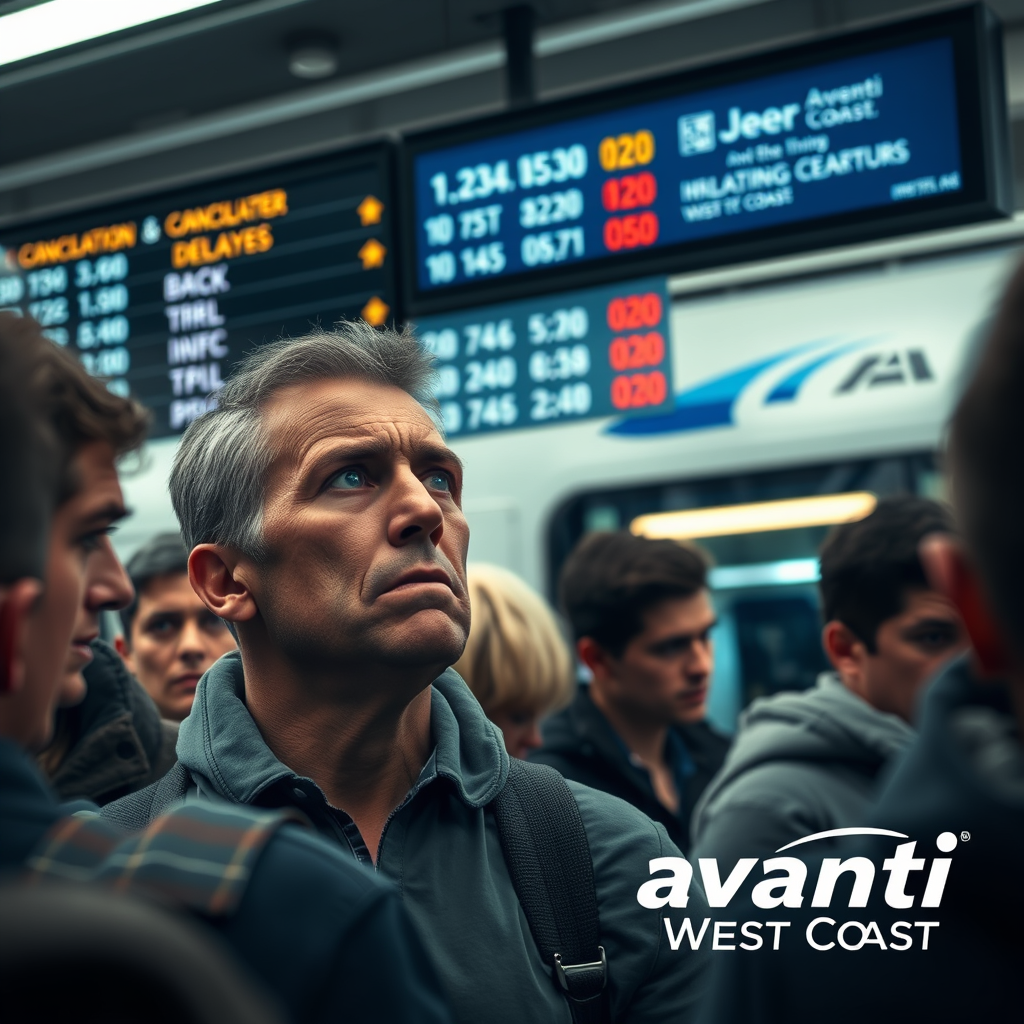
The Urgent Need for Reform: A Critical Analysis of Avanti West Coast’s Performance and the Call for Systemic Change
This article explores the recent performance issues of Avanti West Coast (AWC), a major train operating company (TOC) in the UK, and the subsequent calls for a detailed review and systemic reform. Transport for the North (TfN), a statutory transport body, has issued a strongly worded letter to the UK Transport Secretary, highlighting the unacceptable levels of service disruptions, impacting the Northern economy and the wellbeing of commuters. The core issues revolve around AWC’s punctuality, reliability, and capacity management, prompting TfN to demand a critical review of AWC’s operations and a mandate for the declassification of premium seating to increase overall passenger capacity. This article will examine the contributing factors to AWC’s poor performance, analyze TfN’s proposals, and consider the broader implications for the UK railway system.
Avanti West Coast’s Operational Failures: A Confluence of Factors
The precipitous decline in AWC’s service performance is not attributable to a single cause, but rather a complex interplay of factors. Reportedly, punctuality and reliability figures plummeted to alarmingly low levels, with a significant percentage of trains cancelled or severely delayed. The root causes include staff shortages, exacerbated by historical leave agreements. These staffing issues, in turn, contribute to reduced service frequency, particularly on weekends, further impacting passenger numbers and the overall efficiency of the network. While AWC attributes these problems to resourcing challenges and unforeseen disruptions, the scale and persistence of these issues raise concerns about deeper, systemic problems within the company’s management and operational strategies. The sheer magnitude of the cancellations and delays necessitates a thorough investigation to identify underlying weaknesses and implement effective corrective measures.
The Transport for the North’s Proposal: Declassification and Beyond
TfN’s response has been decisive, demanding a detailed review of AWC’s operations. A key element of their proposal is the declassification of premium seating during periods of high demand. While AWC contends that train managers already possess this discretionary power, TfN argues that this is an inadequate solution and that a formal directive is necessary to ensure sufficient passenger capacity. This proposal highlights the need for more proactive capacity management strategies to mitigate the impact of service disruptions on passengers. The proposal also implicitly criticizes the current approach to managing peak-hour passenger flows and suggests a potential need for improved data-driven forecasting to better allocate resources and anticipate potential issues. The review called for by TfN is not merely about addressing immediate problems, but about examining AWC’s overall management structure and operational efficiency to create a more sustainable and reliable railway service.
The Broader Context: Systemic Issues in UK Rail
The situation with AWC is not entirely isolated. The UK rail network has faced consistent challenges in recent years, leading to the nationalization of some operators under the “Operator of Last Resort” (OLR) scheme. This highlights a broader trend of increasing instability and financial pressures within the rail industry. The recent contract extension awarded to AWC, following a period of instability and performance issues, raises questions about the effectiveness of the current regulatory framework and the processes used to monitor and evaluate TOC performance. A more robust regulatory framework, coupled with greater transparency and accountability, is needed to ensure that TOCs consistently deliver high-quality services and meet the needs of passengers and the wider economy. The ongoing challenges emphasize the critical need for a holistic review of the UK’s rail system, addressing issues of funding, regulation, and operational efficiency.
Conclusion: Towards a More Resilient and Reliable Railway System
The issues plaguing Avanti West Coast, as highlighted by Transport for the North’s critical assessment, demand a multifaceted response. The consistently poor performance, marked by low punctuality, high cancellation rates, and inadequate capacity management, underscores a need for systemic change. TfN’s call for a detailed review, coupled with the mandate for seat declassification, represents a crucial step towards improving service quality and addressing the broader concerns about operational efficiency within the UK’s railway network. The situation highlights the interdependence of various factors, including staffing levels, resource allocation, and the effectiveness of regulatory oversight. Moving forward, a holistic approach is required, encompassing improvements in workforce management, proactive capacity planning, and a more robust regulatory framework that promotes transparency and accountability. Only through a concerted effort to address these systemic issues can the UK railway network achieve the level of resilience and reliability necessary to meet the needs of its passengers and contribute to the economic prosperity of the nation. The experience of Avanti West Coast serves as a stark reminder of the critical need for proactive management, robust oversight, and a commitment to continuous improvement across the entire railway industry. A failure to address these underlying issues will likely lead to further disruptions, impacting not only passengers but also the wider economy.

Railway infrastructure, rolling stock and transport technologies specialist focused on global rail industry developments, high-speed rail systems, signaling technologies and freight transportation. Covering railway investments, public transport modernization, rail operations and international mobility projects across Europe, Asia and North America.
RELATED POSTS

October 1, 2026 7:09 am
United States regulators confirmed a September 30 deadline for the...

October 8, 2026 1:15 pm
Alstom secured a €1bn contract to build 13 automated trains,...

October 4, 2026 5:14 pm
Alstom secured a CA$4.7 billion order from VIA Rail Canada...

October 8, 2026 12:18 pm
Siemens Mobility signed an agreement with VinSpeed to supply 350...

October 5, 2026 6:12 pm
AECOM and Jacobs secured a contract in September 2026 to...

October 4, 2026 11:08 pm
Sound Transit confirmed the September 30 opening of Seattle Pinehurst...