
ARA Research: Driving Australian Rail Growth, Sustainability
ARA launches research to boost Australian rail sector growth and sustainability. Studies on economic, environmental, and social benefits are underway.
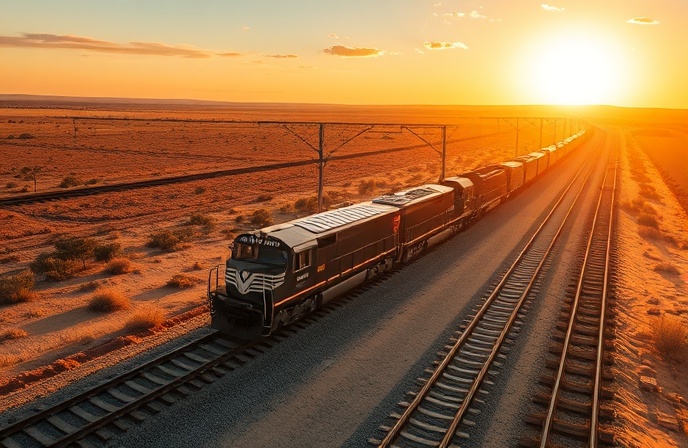
ARA Launches Ambitious Research Program to Drive Rail Industry Growth and Sustainability
In a move to bolster the rail industry’s performance, increase its market share, and ensure continued investment, the Australasian Railway Association (ARA) has initiated a suite of detailed research projects. These initiatives, which began this year, are designed to provide critical insights into the economic, environmental, and social benefits of rail. The research also investigates the impact of freight access charges, explores sustainability strategies, analyzes passenger trends, and evaluates the rail procurement pipeline. The ARA, a peak industry body, aims to use these findings to inform industry stakeholders, policymakers, and the wider community about the value and future of rail transport across Australia. Why is this happening? To future-proof rail in a competitive market. When will these projects be completed? Some are nearing completion, and most will be completed later this year. Where? The research spans across all of Australia, with specific regional breakdowns.
Updating the Value Proposition: The Economic, Environmental, and Social Benefits of Rail
A cornerstone of the ARA’s research is the update to its flagship “Value of Rail 2020” report. Conducted by Deloitte, the updated report will provide the latest data on the economic, environmental, and societal benefits of rail across various Australian jurisdictions. This detailed assessment aims to quantify the positive impacts of rail, serving as a critical tool for advocacy and strategic planning. Simultaneously, a “Future of Rail” report, commissioned to Scyne, will analyze key trends shaping the industry over the next 15 years. This report will delve into the contributions of rail to the economy, the value of both passenger and freight rail, and the overall impact on society. Additionally, it will provide an overview of the local rail supply chain, including rolling stock manufacturing, maintenance, infrastructure construction, and other key suppliers.
Charting the Course: Navigating Future Trends
The ARA’s “Future of Rail” report, also being delivered by Scyne, takes a forward-looking approach by analyzing the effects of significant trends on the industry. This includes examining population growth, demographic shifts, technological advancements (including automation), funding dynamics, housing development, and the energy transition. The research seeks to understand how these “megatrends” will influence the rail sector and identify how rail can spearhead solutions to drive positive economic and community outcomes. The first phase of this research is currently underway, with completion expected later this year. This proactive approach will allow the rail industry to adapt and thrive amidst changing societal and economic landscapes.
Leveling the Playing Field: Addressing Road and Rail Freight Access Charges
To foster fair competition and inform policy decisions, the ARA is conducting research into access user charging for both rail and road. The “Road/Rail Competitive Neutrality Project,” is analyzing the true extent and impact of differences in access and regulatory burdens for non-bulk road and rail freight. This project will provide an evidence base to support industry advocacy efforts at both Commonwealth and state levels, ensuring that the rail industry is not disadvantaged by unfair cost structures. This is critical for encouraging modal shift, thus increasing rail’s share of the freight task.
Enhancing Transparency: Rail Procurement Pipeline Outlook
The ARA has engaged Oxford Economics Australia to provide an updated rail procurement pipeline market outlook. This update will enhance transparency and accessibility for suppliers and contractors in the rail sector. The report will provide 10 years of historical data and a 10-year outlook for rail construction and maintenance activity across all Australian states and territories, as well as at the national level. This update to the 2022 Rail Market Outlook will include a Major Projects and Programs table, which lists project costs, status, “confidence to proceed” assessments, and timing details for significant construction projects, rolling stock contracts, and maintenance program funding. This will provide valuable insights for businesses looking to participate in the rail industry.
Understanding the Passenger Experience: Passenger Research and First Nations Engagement
The ARA is undertaking new consumer research to assess passenger perceptions of rail transport and identify opportunities to increase rail usage. This research builds upon similar studies conducted in 2022, which identified key factors promoting greater public transport usage in capital cities. The ARA will launch the research soon. In addition, the ARA has initiated a First Nations engagement project, in partnership with Akina and Humanize Media, aiming to foster meaningful relationships and provide opportunities within the rail sector for Indigenous communities. The second stage of the research has been completed, and the final draft is under review. The project is informed by interviews, surveys, and impact modelling workshops, and a Ngunawal artist has been commissioned to create the cover artwork.
Conclusion
The ARA’s detailed research program represents a significant investment in the future of the Australian rail industry. By updating existing data and providing crucial market outlook information, the ARA is equipping stakeholders with the information they need to make informed decisions. The emphasis on understanding passenger trends, investigating access charges, and promoting First Nations engagement demonstrates a holistic approach to industry development. These projects will provide valuable data-driven evidence to underpin policy advocacy, support sustainable practices, and drive greater efficiencies across the entire rail sector. With several key reports set to be released later this year, the industry is poised to benefit from the ARA’s forward-thinking initiatives, driving improved performance, environmental outcomes, and a stronger market position. The ARA’s commitment to the industry will help enable the sector to capitalise on opportunities across passenger and freight rail markets.

Railway infrastructure, rolling stock and transport technologies specialist focused on global rail industry developments, high-speed rail systems, signaling technologies and freight transportation. Covering railway investments, public transport modernization, rail operations and international mobility projects across Europe, Asia and North America.
RELATED POSTS

October 8, 2026 1:15 pm
Alstom secured a €1bn contract to build 13 automated trains,...

October 1, 2026 7:09 am
United States regulators confirmed a September 30 deadline for the...

October 8, 2026 12:18 pm
Siemens Mobility signed an agreement with VinSpeed to supply 350...

October 4, 2026 5:14 pm
Alstom secured a CA$4.7 billion order from VIA Rail Canada...

October 5, 2026 6:12 pm
AECOM and Jacobs secured a contract in September 2026 to...

October 6, 2026 2:14 am
Union Pacific launched export rail shipments with Ferromex to deliver...